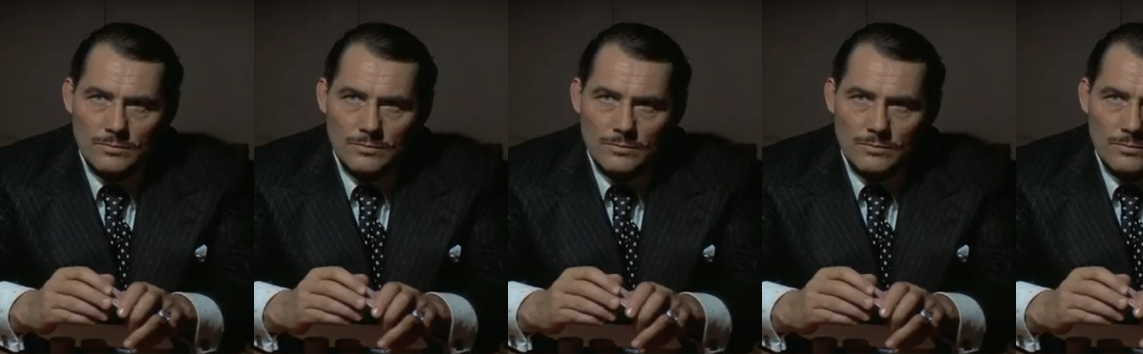
5. John Cassavetes in Love Streams - Cassavetes is convincing as the off-beat playboy, as well as the supportive brother, but the impact of his work always remains rather muted.
Best Scene: A naked man.
4. Jack Lemmon in Mass Appeal - Lemmon tries his best to salvage his material giving some honesty to his character even within such a problematic film.
Best Scene: Browning speech.
3. Tsutomu Yamazaki in Farewell to the Ark - Yamazaki manages to find balance within the film's strange tone giving a funny yet still honest portrayal of his character's intense frustrations.
Best Scene: He snaps.
2. Terence Stamp in The Hit - Stamp gives an amusing yet moving portrayal of a dead man walking who seemingly has come to terms with his fate.
Best Scene: "Death be not Proud"
1. John Hurt in The Hit - Good prediction Varun. The immensely talented Hurt proves himself more than capable at being the heavy this time around giving a properly chilling turn yet offers more depth in his vivid portrayal of a hit man who has been at his job for too many years.
Best Scene: The titular moment
Update Overall
Next Year: 1984 Supporting
Showing posts with label Tsutomu Yamazaki. Show all posts
Wednesday, 12 April 2017
Monday, 10 April 2017
Alternate Best Supporting Actor 1984: Tsutomu Yamazaki in Farewell to the Ark
Tsutomu Yamazaki did not receive an Oscar nomination for portraying Sutekichi Tokito in Farewell to the Ark.
Farewell to the Ark is a strange film about a village losing their old traditions and gradually moving to a modern mindset.
After Kurosawa's final epic, Ran, few non-animated Japanese films have made an international impact. This lack of notoriety has left a mystery of sorts in the careers of two of the greatest living Japanese actors Tatsuya Nakadai and Tsutomu Yamazaki who have consistently worked since their notable collaborations with Kurosawa. Although Nakadai's post-80's career still is entirely a mystery for me I have seen a handful of films featuring Yamazaki where it seems like he became the go to actor for a supporting or leading role in dramedies such as in Go, Tampopo, and Departures. That brings me to his two performances from 1984. The first being in The Funeral, directed by Juzo Itami the same man who would later make Tampopo. That film is in a similar, yet less farcical vein about a family holding a traditional Japanese funeral where there are serious undertones yet the whole film has a certain levity. This is included in Yamazaki's performance as the husband of the bereaved daughter who is particularly detached from the whole affair since he's mainly there to comfort his wife who really isn't too broken up by her father's death.
Yamazaki in that film has a low key role yet is effortless in realizing both the dramatic and comedic realities of the situation. In that Yamazaki very honestly presents just a man going through the motions of the event and there is something darkly amusing as his greatest unease comes at the thought of having to give a speech at the funeral. Yamazaki appropriately plays it very close to the chest offering just that sort of solemn grace of a man respecting the funeral even while technically not treating it with the proper sincerity internally. Although he is just barely lead, Yamazaki's work is largely reactionary and effectively so, as his performance often highlights a mistake or a faux pas just through his humorous understated glances. His only major action is when his character's mistress pops up and he has a dalliance in the forest surrounding the funeral home. Even this scene is handled with the care of non-melodramatic everyday life, and again Yamazaki's work thrives in seeming just to be so natural to life. It's funny yet never tries to be finding the humor entirely through natural interactions within the situation.
Well that brings me to his second performance from 1984 which I have classified as supporting. Yamazaki's scenes are from his perspective and he seems the most important figure for the first half of the film. His last scene comes with still a good forty minutes left in the film though, and even then his proceeding scenes were broken up by the various vignettes featuring the other villagers. I will say this is rather unfortunate since the film's wavering focus is problematic as it attempts to cover too much forcing the narrative to become overstuffed and there is only a single character I became invested in. Of course that is Sutekichi played by Yamazaki, and in large part it is due to the role being played by Yamazaki. Again Yamazaki is called upon for a balance of drama and comedy though this time it is skewed given the far more insane storytelling present in this film. Yamazaki's Sutekichi's main story is about his inability to sexually perform with his wife/cousin Sue for the unfortunate reason that she has been fastened with a locked, seemingly impregnable (no pun intended) chastity belt.
Again Yamazaki excels within this rather bizarrely challenging role. This time, even though the tone itself is perhaps a bit more absurd to begin with, Yamazaki takes things all the more seriously, which is the right approach since he's one of the few actors who does not turn his character into a caricature. Yamazaki gives Sutekichi's situation an earnest gravity as he does not hold back in portraying the intensity of the man's frustrations particularly in the moment of attempted consummation. Again though Yamazaki knows exactly what he is doing as his approach makes the emotion real yet all the same funny in a very cruel way because how honest he allows it to be. Poor Sutekichi's life is only made worse as gossip spreads that his difficultly is due to impotence which leaves him ostracized and isolated from the rest of the community. Yamazaki brings an even greater intensity as he internalizes these frustrations, showing the way Sutekichi's pent up...well everything only gradually grows until he is about to burst. When it does happen, in the form of killing a relative for mocking his problems. Yamazaki in the moment grants the madness of such pent up anger, yet I also burst out laughing when the act happened I must admit. Yamazaki knows exactly how to maneuver the absurd tone and instead of becoming lost in it he amplifies its best assets. This forces Sutekichi to leave with his wife where he falls into this crisis as he sees the dead man but also believes forgetting everything to the point that he makes written reminders of what is around him as well even who he is. Due to the film's excessive subplotting this portion is a bit oddly paced especially with the wrap up that almost entirely forgets the character exists. Yamazaki again to his credit makes the most of this in developing the mental collapse which avoids making Sutekichi being a merely a symbol of the old, but actually makes him a credible man despite the situation. Yamazaki renders honesty to mess of fear, anger, and horror that haunt the man until he loses himself entirely. With his work in this film and The Funeral Yamazaki masters the tone of each finding both the humor and the drama in the material and through his characters.
Farewell to the Ark is a strange film about a village losing their old traditions and gradually moving to a modern mindset.
After Kurosawa's final epic, Ran, few non-animated Japanese films have made an international impact. This lack of notoriety has left a mystery of sorts in the careers of two of the greatest living Japanese actors Tatsuya Nakadai and Tsutomu Yamazaki who have consistently worked since their notable collaborations with Kurosawa. Although Nakadai's post-80's career still is entirely a mystery for me I have seen a handful of films featuring Yamazaki where it seems like he became the go to actor for a supporting or leading role in dramedies such as in Go, Tampopo, and Departures. That brings me to his two performances from 1984. The first being in The Funeral, directed by Juzo Itami the same man who would later make Tampopo. That film is in a similar, yet less farcical vein about a family holding a traditional Japanese funeral where there are serious undertones yet the whole film has a certain levity. This is included in Yamazaki's performance as the husband of the bereaved daughter who is particularly detached from the whole affair since he's mainly there to comfort his wife who really isn't too broken up by her father's death.
Yamazaki in that film has a low key role yet is effortless in realizing both the dramatic and comedic realities of the situation. In that Yamazaki very honestly presents just a man going through the motions of the event and there is something darkly amusing as his greatest unease comes at the thought of having to give a speech at the funeral. Yamazaki appropriately plays it very close to the chest offering just that sort of solemn grace of a man respecting the funeral even while technically not treating it with the proper sincerity internally. Although he is just barely lead, Yamazaki's work is largely reactionary and effectively so, as his performance often highlights a mistake or a faux pas just through his humorous understated glances. His only major action is when his character's mistress pops up and he has a dalliance in the forest surrounding the funeral home. Even this scene is handled with the care of non-melodramatic everyday life, and again Yamazaki's work thrives in seeming just to be so natural to life. It's funny yet never tries to be finding the humor entirely through natural interactions within the situation.
Well that brings me to his second performance from 1984 which I have classified as supporting. Yamazaki's scenes are from his perspective and he seems the most important figure for the first half of the film. His last scene comes with still a good forty minutes left in the film though, and even then his proceeding scenes were broken up by the various vignettes featuring the other villagers. I will say this is rather unfortunate since the film's wavering focus is problematic as it attempts to cover too much forcing the narrative to become overstuffed and there is only a single character I became invested in. Of course that is Sutekichi played by Yamazaki, and in large part it is due to the role being played by Yamazaki. Again Yamazaki is called upon for a balance of drama and comedy though this time it is skewed given the far more insane storytelling present in this film. Yamazaki's Sutekichi's main story is about his inability to sexually perform with his wife/cousin Sue for the unfortunate reason that she has been fastened with a locked, seemingly impregnable (no pun intended) chastity belt.
Again Yamazaki excels within this rather bizarrely challenging role. This time, even though the tone itself is perhaps a bit more absurd to begin with, Yamazaki takes things all the more seriously, which is the right approach since he's one of the few actors who does not turn his character into a caricature. Yamazaki gives Sutekichi's situation an earnest gravity as he does not hold back in portraying the intensity of the man's frustrations particularly in the moment of attempted consummation. Again though Yamazaki knows exactly what he is doing as his approach makes the emotion real yet all the same funny in a very cruel way because how honest he allows it to be. Poor Sutekichi's life is only made worse as gossip spreads that his difficultly is due to impotence which leaves him ostracized and isolated from the rest of the community. Yamazaki brings an even greater intensity as he internalizes these frustrations, showing the way Sutekichi's pent up...well everything only gradually grows until he is about to burst. When it does happen, in the form of killing a relative for mocking his problems. Yamazaki in the moment grants the madness of such pent up anger, yet I also burst out laughing when the act happened I must admit. Yamazaki knows exactly how to maneuver the absurd tone and instead of becoming lost in it he amplifies its best assets. This forces Sutekichi to leave with his wife where he falls into this crisis as he sees the dead man but also believes forgetting everything to the point that he makes written reminders of what is around him as well even who he is. Due to the film's excessive subplotting this portion is a bit oddly paced especially with the wrap up that almost entirely forgets the character exists. Yamazaki again to his credit makes the most of this in developing the mental collapse which avoids making Sutekichi being a merely a symbol of the old, but actually makes him a credible man despite the situation. Yamazaki renders honesty to mess of fear, anger, and horror that haunt the man until he loses himself entirely. With his work in this film and The Funeral Yamazaki masters the tone of each finding both the humor and the drama in the material and through his characters.
Monday, 3 April 2017
Alternate Best Actor 1984
And the Nominees Were Not:
John Hurt in The Hit
Terence Stamp in The Hit
Jack Lemmon in Mass Appeal
Tsutomu Yamazaki in Farewell to the Ark
John Cassavetes in Love Streams
John Hurt in The Hit
Terence Stamp in The Hit
Jack Lemmon in Mass Appeal
Tsutomu Yamazaki in Farewell to the Ark
John Cassavetes in Love Streams
Sunday, 23 June 2013
Alternate Best Supporting Actor 1980: Results
5. Mark Hamill in The Big Red One- Hamill plays his character well and has stand out moments even within the vignette nature of the film.
Best Scene: The Concentration Camp.
4. Harrison Ford in The Empire Strikes Back- Ford gives one of his best action hero performances making Han Solo the great hero he should be.
Best Scene: "I Know".
3. Leslie Nielsen in Airplane!- Nielsen gives an one note performance of utter comedic brilliance, being incredibly funny by playing his part as deadly serious as possible.
Best Scene: "I am serious and don't call me Shirley".
2. Bryan Brown in Breaker Morant- Brown gives an effective performance finding his own place in the film as the soldier whose rough exterior hides a deeper sadness.
Best Scene: Hancock writes his farewell letter to his wife.
1. Tsutomu Yamazaki in Kagemusha- Good Prediction Maciej. Well I've come to the conclusion that Tsutomu Yamazaki is the greatest actor to have a Wikipedia page with no more than three sentences. Once again he delivers an incredible supporting performance. He always finds a way to stand out even when he is in a group of actors. Yamazaki gives a great supporting performance that plays off of and supports Tatsuya Nakadai's lead performance beautifully.
Best Scene: Nobukado predicts the fate of Kagemusha.
Overall Rank:
Best Scene: The Concentration Camp.
4. Harrison Ford in The Empire Strikes Back- Ford gives one of his best action hero performances making Han Solo the great hero he should be.
Best Scene: "I Know".
3. Leslie Nielsen in Airplane!- Nielsen gives an one note performance of utter comedic brilliance, being incredibly funny by playing his part as deadly serious as possible.
Best Scene: "I am serious and don't call me Shirley".
2. Bryan Brown in Breaker Morant- Brown gives an effective performance finding his own place in the film as the soldier whose rough exterior hides a deeper sadness.
Best Scene: Hancock writes his farewell letter to his wife.
1. Tsutomu Yamazaki in Kagemusha- Good Prediction Maciej. Well I've come to the conclusion that Tsutomu Yamazaki is the greatest actor to have a Wikipedia page with no more than three sentences. Once again he delivers an incredible supporting performance. He always finds a way to stand out even when he is in a group of actors. Yamazaki gives a great supporting performance that plays off of and supports Tatsuya Nakadai's lead performance beautifully.
Best Scene: Nobukado predicts the fate of Kagemusha.
Overall Rank:
- Joe Pesci in Raging Bull
- Peter O'Toole in The Stunt Man
- Tsutomu Yamazaki in Kagemusha
- Scott Wilson in The Ninth Configuration
- Bryan Brown in Breaker Morant
- Leslie Nielsen in Airplane!
- Harrison Ford in The Empire Strikes Back
- Mark Hamill in The Big Red One
- Freddie Jones in The Elephant Man
- Robert Stack in Airplane!
- Jason Miller in The Ninth Configuration
- Christopher Walken in Heaven's Gate
- Brian Blessed in Flash Gordon
- Yaphet Kotto in Brubaker
- John Gielgud in The Orchestra Director
- Oliver Reed in Lion of the Desert
- Bill Murray in Caddyshack
- Lewis Fitz-Gerald in Breaker Morant
- Jason Robards in Melvin and Howard
- James Earl Jones in The Empire Strikes Back
- John Gielgud in The Elephant Man
- Jack Warden in Used Cars
- Gene Hackman in Superman II
- Frank Oz in The Empire Strikes Back
- David Carradine in The Long Riders
- Lloyd Bridges in Airplane!
- Harvey Keitel in Bad Timing
- John Hurt in Heaven's Gate
- Vittorio Gassman in La Terrazza
- Keith Carradine in The Long Riders
- Levon Helm in Coal Miner's Daughter
- Max von Sydow in Flash Gordon
- Jean-Louis Trintignant in La Terrazza
- Billy Dee Williams in The Empire Strikes Back
- Ugo Tognazzi in La Terrazza
- Om Puri in Sparsh
- Marcello Mastroianni in La Terrazza
- Richard Farnsworth in Resurrection
- Sam Waterston in Heaven's Gate
- Timothy Dalton in Flash Gordon
- Michael Caine in Dressed to Kill
- Jean Poiret in The Last Metro
- Stacy Keach in The Long Riders
- Roberts Blossom in Resurrection
- Henry Gibson in The Blues Brothers
- Hal Holbrook in The Fog
- Terence Stamp in Superman II
- Jeff Bridges in Heaven's Gate
- David Morse in Inside Moves
- Scatman Crothers in The Shining
- Cab Calloway in The Blues Brothers
- Philip Stone in The Shining
- Peter Graves in Airplane!
- Melvyn Douglas in Changeling
- Ed Flanders in The Ninth Configuration
- John Candy in The Blues Brothers
- Judd Hirsch in Ordinary People
- Joe Spinell in The Ninth Configuration
- Harold Russell in Inside Moves
- Bill Henderson in Inside Moves
- Bert Remsen in Inside Moves
- Randy Quaid in The Long Riders
- Denholm in Elliott in Bad Timing
- Christopher Plummer in Somewhere in Time
- Paul Sorvino in Cruising
- Ned Beatty in Hopscotch
- Frank Vincent in Raging Bull
- Morgan Freeman in Brubaker
- Neville Brand in The Ninth Configuration
- Dennis Quaid in The Long Riders
- Herbert Lom in Hopscotch
- David Keith in Brubaker
- Allen Garfield in The Stunt Man
- John Houseman in The Fog
- Sam Shepard in Resurrection
- Robert Carradine in The Big Red One
- John Gielgud in Lion of the Desert
- Sam Wanamaker in The Competition
- James Keach in The Long Riders
- Paul McCrane in Fame
- Kenichi Hagiwara in Kagemusha
- Siegfried Rauch in The Big Red One
- Topol in Flash Gordon
- Leo McKern in Blue Lagoon
- Kevin McCarthy in Private Benjamin
- Chevy Chase in Caddyshack
- Keith Gordon in Dressed to Kill
- Peter Gallagher in The Idolmaker
- Rodney Dangerfield in Caddyshack
- Anthony Daniels in The Empire Strikes Back
- Dennis Franz in Dressed to Kill
- Danny Lloyd in The Shining
- Alex Rocco in The Stunt Man
- Bob Balaban in Altered States
- Jinpachi Nezu in Kagemusha
- Barry Miller in Fame
- Jackie Gleason in Smokey and the Bandit II
- John Marley in Tribute
- Armand Assante in Private Benjamin
- Ted Knight in Caddyshack
- Jerry Reed in Smokey and the Bandit II
- Laurence Olivier in The Jazz Singer
- Stephen Stucker in Airplane!
- Charles Haid in Altered States
- Robby Benson in Tribute
- John Adames in Gloria
Thursday, 20 June 2013
Alternate Best Supporting Actor 1980: Tsutomu Yamazaki in Kagemusha
Tsutomu Yamazaki did not receive an Oscar nomination for portraying Takeda Nobukado in Kagemusha.
Akira Kurosawa is a director who has his own style and you know its a Kurosawa picture when your watching it. Although it is very easy to argue that most if not all his films are director's pictures, yet he is always able to allow at least one performance to truly shine something that cannot be said about many director's films. I mention this because Tsutomu Yamazaki's performance is something in this film that could have completely have been overshadowed by what Kurosawa is doing with the character. Yamazaki in some scenes is almost indistinguishable, in term of appearance, from Tatsuya Nakadai in his duel role. The reason though is that Yamazaki here plays the brother of the warlord that Nakadai plays Takeda Shingen who at times acted as the lord's double before the even better Kagemusha was found.
Yamazaki, as he did so well in High and Low as well, is able to work within Kurosawa's direction marvelously and never lets himself be enveloped by it. You could argue that Yamazaki role actually might not be the third most important role past those plays by Nakadai, but Yamazaki's portrayal of Nobukado takes his place as the best supporting character either way. Just like his role in High and Low Yamazaki manages rip right into scenes even when his character is at somewhat of distance. Like the opening scene which is a great showcase for both Yamazaki and Nakadai as Kagemusha, Shingen and Nobukado all together in a single scene. Yamazaki is almost a dead ringer in this scene yet he still establishes his own character right as Nakadai is establishing both of his.
Yamazaki finds the right character for Nobukado that has elements of Nakadai's Shingen but is his own man as well. Yamazaki as did Nikadai convey a certain cunning in his portrayal that feels entirely natural as well as makes it believable that this man would try such a ruse. Yamazaki in his smile suggests an assured intelligent fellow, but it is not exactly the same as Nakadai portrayed it. Yamazaki shows something different in Nubukado which is that there is not the weight of responsibility in this man. Yamazaki is lighter in his approach and portrays a different style in this man who is merely trying to help his brother become the ruler of a country rather than trying to become the ruler of a country himself.
Yamazaki dispersal for awhile until the death of the warlord and the generals of Shingen gather to decide what must be done. The strength of Yamazaki performance really comes through in these scenes because the other actors ill define their characters and for the most part they just kind of fade together in their scenes. Yamazaki is the only one who stands out among them. Where the other men seem more angry than anything else as they are trying Kagemusha to take up the role of Shingen, Yamazaki though brings much more weight through his more somber approach. Although it is not said through his quiet passion and underlying sadness Yamazaki conveys the idea that without the Kagemusha they will lose everything that his brother fighting for making his death the end of the clan.
Honestly without the depth of feeling that Yamazaki gives the death you would almost think his death was meaningless. Yamazaki brings the point home though and as well makes it far more believable that Kagemusha would actually take on the duty. After Kagemusha accepts to pretend to be the lord Nobukado becomes basically his mentor as he tries to teach him the ways of the lord as well as keep him in line at the same time. Yamazaki is great in his scenes with Nakadai as he acts the part of the teacher with Nobukado telling Kagemusha everything he can so he can perform the task. Yamazaki importantly as he does this in a most forceful fashion also has a bit of a nostalgia in his delivery and again he properly shows that the loss of the lord certainly means something particularly to Nobukado.
Yamazaki as with his earlier work makes the most of even the slightest of motions and even something as simply as looking at one of the lord's old rooms can be something special. It would be simple enough just to show the room off quickly and to the point. Yamazaki is still relatively fast about it but he stops for a moment and looks at the room reflecting on the past. Yamazaki does not shed a tear in his portrayal but just his physical manner in this slight action does portray the heartbreak in Nobukado from the death of his brother. There is another element as he tells the trade and that is Nobukado is also thinking about when he was the lord's double. In just a short speech Yamazaki suggests Nobukado's own difficultly with the task as well as indicates some of the problems Kagemusha will face.
Not all is serious though and he actually has some great comedic moments in his performance in the scenes where Nobukado is keeping Kagemusha in check. The two have some terrific chemistry together as they trade various stares. Yamazaki is fantastic in his reactions whether it is enjoying seeing the man he trained perform, or somewhat taken aback when Kagemusha makes an unusual move. One of my favorite particular scenes is when Kagemusha meets Shingen's mistresses and makes a joke saying he is not the real lord. Yamazaki is very amusing as he starts with an intense expression at Kagemusha for risking the ruse, but then changes it into a face of distinct pleasure as he punishes him by denying Kagemusha both of the lord's mistresses.
Yamazaki's performance is a perfect supporting performance and just like the last time I reviewed him he seems to be the go to man for making the most out of very little. Nobukado ceratinly could have been very little and Nakadai's work could have easily been the only performance that stood out. Yamazaki again refuses to be forgotten even when he is in the background and gives a great performance that complements and amplifies Nakadai's performance. He consistently adds more to Nakadai's work because he is always there showing a former double empathizing with the new one. His last scene is particularly strong as Nobukado almost mourns Kagemusha as he knows what his fate will be. Yamazaki's delivery is powerful in the bleakness he creates and once again makes that connection that Nobukado feels with Kagemusha's plight come to fruition.
Akira Kurosawa is a director who has his own style and you know its a Kurosawa picture when your watching it. Although it is very easy to argue that most if not all his films are director's pictures, yet he is always able to allow at least one performance to truly shine something that cannot be said about many director's films. I mention this because Tsutomu Yamazaki's performance is something in this film that could have completely have been overshadowed by what Kurosawa is doing with the character. Yamazaki in some scenes is almost indistinguishable, in term of appearance, from Tatsuya Nakadai in his duel role. The reason though is that Yamazaki here plays the brother of the warlord that Nakadai plays Takeda Shingen who at times acted as the lord's double before the even better Kagemusha was found.
Yamazaki, as he did so well in High and Low as well, is able to work within Kurosawa's direction marvelously and never lets himself be enveloped by it. You could argue that Yamazaki role actually might not be the third most important role past those plays by Nakadai, but Yamazaki's portrayal of Nobukado takes his place as the best supporting character either way. Just like his role in High and Low Yamazaki manages rip right into scenes even when his character is at somewhat of distance. Like the opening scene which is a great showcase for both Yamazaki and Nakadai as Kagemusha, Shingen and Nobukado all together in a single scene. Yamazaki is almost a dead ringer in this scene yet he still establishes his own character right as Nakadai is establishing both of his.
Yamazaki finds the right character for Nobukado that has elements of Nakadai's Shingen but is his own man as well. Yamazaki as did Nikadai convey a certain cunning in his portrayal that feels entirely natural as well as makes it believable that this man would try such a ruse. Yamazaki in his smile suggests an assured intelligent fellow, but it is not exactly the same as Nakadai portrayed it. Yamazaki shows something different in Nubukado which is that there is not the weight of responsibility in this man. Yamazaki is lighter in his approach and portrays a different style in this man who is merely trying to help his brother become the ruler of a country rather than trying to become the ruler of a country himself.
Yamazaki dispersal for awhile until the death of the warlord and the generals of Shingen gather to decide what must be done. The strength of Yamazaki performance really comes through in these scenes because the other actors ill define their characters and for the most part they just kind of fade together in their scenes. Yamazaki is the only one who stands out among them. Where the other men seem more angry than anything else as they are trying Kagemusha to take up the role of Shingen, Yamazaki though brings much more weight through his more somber approach. Although it is not said through his quiet passion and underlying sadness Yamazaki conveys the idea that without the Kagemusha they will lose everything that his brother fighting for making his death the end of the clan.
Honestly without the depth of feeling that Yamazaki gives the death you would almost think his death was meaningless. Yamazaki brings the point home though and as well makes it far more believable that Kagemusha would actually take on the duty. After Kagemusha accepts to pretend to be the lord Nobukado becomes basically his mentor as he tries to teach him the ways of the lord as well as keep him in line at the same time. Yamazaki is great in his scenes with Nakadai as he acts the part of the teacher with Nobukado telling Kagemusha everything he can so he can perform the task. Yamazaki importantly as he does this in a most forceful fashion also has a bit of a nostalgia in his delivery and again he properly shows that the loss of the lord certainly means something particularly to Nobukado.
Yamazaki as with his earlier work makes the most of even the slightest of motions and even something as simply as looking at one of the lord's old rooms can be something special. It would be simple enough just to show the room off quickly and to the point. Yamazaki is still relatively fast about it but he stops for a moment and looks at the room reflecting on the past. Yamazaki does not shed a tear in his portrayal but just his physical manner in this slight action does portray the heartbreak in Nobukado from the death of his brother. There is another element as he tells the trade and that is Nobukado is also thinking about when he was the lord's double. In just a short speech Yamazaki suggests Nobukado's own difficultly with the task as well as indicates some of the problems Kagemusha will face.
Not all is serious though and he actually has some great comedic moments in his performance in the scenes where Nobukado is keeping Kagemusha in check. The two have some terrific chemistry together as they trade various stares. Yamazaki is fantastic in his reactions whether it is enjoying seeing the man he trained perform, or somewhat taken aback when Kagemusha makes an unusual move. One of my favorite particular scenes is when Kagemusha meets Shingen's mistresses and makes a joke saying he is not the real lord. Yamazaki is very amusing as he starts with an intense expression at Kagemusha for risking the ruse, but then changes it into a face of distinct pleasure as he punishes him by denying Kagemusha both of the lord's mistresses.
Yamazaki's performance is a perfect supporting performance and just like the last time I reviewed him he seems to be the go to man for making the most out of very little. Nobukado ceratinly could have been very little and Nakadai's work could have easily been the only performance that stood out. Yamazaki again refuses to be forgotten even when he is in the background and gives a great performance that complements and amplifies Nakadai's performance. He consistently adds more to Nakadai's work because he is always there showing a former double empathizing with the new one. His last scene is particularly strong as Nobukado almost mourns Kagemusha as he knows what his fate will be. Yamazaki's delivery is powerful in the bleakness he creates and once again makes that connection that Nobukado feels with Kagemusha's plight come to fruition.
Tuesday, 18 June 2013
Alternate Best Supporting Actor 1980
And the Nominees Were:
Tsutomu Yamazaki in Kagemusha
Leslie Nielsen in Airplane
Bryan Brown in Breaker Morant
Harrison Ford in The Empire Strikes Back
Mark Hamill in The Big Red One
Tsutomu Yamazaki in Kagemusha
Leslie Nielsen in Airplane
Bryan Brown in Breaker Morant
Harrison Ford in The Empire Strikes Back
Mark Hamill in The Big Red One
Monday, 10 June 2013
Alternate Best Supporting Actor 1963: Results
5. Peter Sellers in The Pink Panther- Sellers is by far the best part of his film giving a hilarious turn that steals every scene he is in.
Best Scene: Clouseau takes the witness stand.
4. Donald Pleasence in The Great Escape- Pleasence adds a lot in his little turn giving one poignant portrait of a man who wants to escape a prison escape even when his eye sight begins to fade.
Best Scene: Blythe thanks Hendley.
3. Robert Shaw in From Russia With Love- Shaw is a great Bond villain. He is great as the silent menace, but he is something really special when he finally opens his mouth.
Best Scene: Colonel Nash reveals himself to be Red Grant.
2. Brandon De Wilde in Hud- De Wilde is essential to his film being the man in the middle and creates a powerful reactionary performance by showing both how he deals with the men around him and as well how they change him.
Best Scene: Lon reacts to Hud and Homer's fight.
1. Tsutomu Yamazaki in High and Low- My win for the supporting this year also goes to the great film High and Low. Yamazaki's performance as a kidnapper is one that only gets better the more I think about it. Despite the limitations for most of his film he creates a great complex villain, but as well in his last scene somehow manages to be heartbreaking in his portrayal of a desperate man.
Best Scene: King Gondo meets with Ginjirô Takeuchi.
Overall Rank:
Best Scene: Clouseau takes the witness stand.
4. Donald Pleasence in The Great Escape- Pleasence adds a lot in his little turn giving one poignant portrait of a man who wants to escape a prison escape even when his eye sight begins to fade.
Best Scene: Blythe thanks Hendley.
3. Robert Shaw in From Russia With Love- Shaw is a great Bond villain. He is great as the silent menace, but he is something really special when he finally opens his mouth.
Best Scene: Colonel Nash reveals himself to be Red Grant.
2. Brandon De Wilde in Hud- De Wilde is essential to his film being the man in the middle and creates a powerful reactionary performance by showing both how he deals with the men around him and as well how they change him.
Best Scene: Lon reacts to Hud and Homer's fight.
1. Tsutomu Yamazaki in High and Low- My win for the supporting this year also goes to the great film High and Low. Yamazaki's performance as a kidnapper is one that only gets better the more I think about it. Despite the limitations for most of his film he creates a great complex villain, but as well in his last scene somehow manages to be heartbreaking in his portrayal of a desperate man.
Best Scene: King Gondo meets with Ginjirô Takeuchi.
Overall Rank:
- Tsutomu Yamazaki in High and Low
- Melvyn Douglas in Hud
- Brandon De Wilde in Hud
- Robert Shaw in From Russia With Love
- Donald Pleasence in The Great Escape
- Peter Sellers in The Pink Panther
- Anil Chatterjee in Mahanagar
- James Garner in The Great Escape
- David Warner in Tom Jones
- Tatsuya Nakadai in High and Low
- Claude Rains in Twilight Of Honor
- Kenjiro Ishiyama in High and Low
- Phil Silvers in It's a Mad Mad Mad Mad World
- Walter Matthau in Charade
- Patrick Wymark in Dr. Syn, Alias the Scarecrow
- Dick Shawn in It's a Mad Mad Mad Mad World
- James Donald in The Great Escape
- Geoffrey Keen in Dr. Syn, Alias the Scarecrow
- Isao Kimura in High and Low
- Spencer Tracy in It's a Mad Mad Mad Mad World
- Bobby Darin in Captain Newman M.D.
- Pedro Armendáriz in From Russia With Love
- Terry-Thomas in It's a Mad Mad Mad Mad World
- Stanley Adams in Lilies of the Field
- Max von Sydow in Winter Light
- Johnathan Winters in It's a Mad Mad Mad Mad World
- Romolo Valli in The Leopard
- Hugh Griffith in Tom Jones
- Tsutomu Yamazaki in A Woman's Life
- George Cole in Dr. Syn, Alias the Scarecrow
- John Huston in The Cardinal
- Nigel Green in Jason and the Argonauts
- Roddy McDowall in Cleopatra
- Richard Johnson in The Haunting
- Jacques Jouanneau in Judex
- Paul Lynde in Bye Bye Birdie
- Robert Duvall in Captain Newman M.D.
- Larry Tucker in Shock Corridor
- Buddy Hackett in It's a Mad Mad Mad Mad World
- Mickey Rooney in It's a Mad Mad Mad Mad World
- Charles Bronson in The Great Escape
- John Leyton in The Great Escape
- Eric Flynn in Dr. Syn, Alias the Scarecrow
- George Devine in Tom Jones
- Haradhan Banerjee in Mahanagar
- Michael Hordern in Dr. Syn, Alias the Scarecrow
- Lee Marvin in Donovan's Reef
- Allan Edwall in Winter Light
- Boris Karloff in Black Sabbath
- Paolo Stoppa in The Leopard
- Rod Steiger in Hands Over the City
- James Coburn in Charade
- Jesse Pearson in Bye Bye Birdie
- Russ Tamblyn in The Haunting
- Peter Falk in It's a Mad Mad Mad Mad World
- Eddie Anderson in It's a Mad Mad Mad Mad World
- Tatsuya Mihasi in High and Low
- Jim Backus in It's a Mad Mad Mad Mad World
- Tom Bosley in Love With a Proper Stranger
- Angus Lennie in The Great Escape
- Tony Curtis in Captain Newman M.D.
- Haren Chatterjee in Mahanagar
- Tony Britton in Dr. Syn, Alias the Scarecrow
- Jimmy Durante in It's a Mad Mad Mad Mad World
- Sid Caesar in It's a Mad Mad Mad Mad World
- Bruce Ritchey in A Child is Waiting
- Gordon Jackson in The Great Escape
- Tatsuya Nakadai in A Woman's Life
- Charles Vanel in Magnet of Doom
- Hari Rhodes in Shock Corridor
- John Astin in Move Over Darling
- George Kennedy in Charade
- Milton Berle in It's a Mad Mad Mad Mad World
- David Niven in 55 Days At Peking
- Jose Isbert in The Executioner
- Ned Glass in Charade
- Robert Brown in Dr. Syn, Alias the Scarecrow
- Nick Adams in Twilight of Honor
- Ossie Davis in The Cardinal
- Dan Frazer in Lilies of the Field
- Heinz Weiss in The Great Escape
- Peter Bull in Tom Jones
- Jacques Marin in Charade
- Ralph Nelson in Lilies of the Field
- Jerry van Dyke in McLintock!
- James Coburn in The Great Escape
- James Best in Shock Corridor
- Cecil Kellaway in The Cardinal
- Eddie Albert in Captain Newman, M.D.
- Jack Warden in Donovan's Reef
- Alain Delon in The Leopard
- Bobby Rydell in Bye Bye Birdie
- Juzo Itami in 55 Days At Peking
- Jean-Baptiste Thierrée in Muriel
- Theo Sarapo in Judex
- Cesar Romero in Donovan's Reef
- Chuck Conners in Move Over Darling
- Patrick Wayne in McLintock!
- Martin Landau Cleopatra
- Hume Cronyn in Cleopatra
- George Cole Cleopatra
- Tom Gaman in Lord of the Flies
- Hugh Edwards in Lord of the Flies
- Tom Chapin in Lord of the Flies
- Jack Palance in Contempt
- Fritz Lang in Contempt
- Robert Wagner in The Pink Panther
- Richard O'Sullivan in Cleopatra
Tuesday, 4 June 2013
Alternate Best Supporting Actor 1963: Tsutomu Yamazaki in High and Low
Tsutomu Yamazaki did not receive an Oscar nomination for portraying Ginjirô Takeuchi in High and Low.
I just gave High and Low my leading win for 1963 for Toshiro Mifune's great lead performance, but the film also has a terrific ensemble. The group of policemen distinguish themselves particularly well and each of their performances brings something to the film even though they very easily could have all faded together given the limited nature of their roles. The supporting player that I am focusing on though is not even seen until an hour into the film although he is heard. Tsutomu Yamazaki portrays the kidnapper who tries to extort 30 million yen from Mifune's King Gondo, and in the first hour we only hear his voice as he makes his threats as well as his demands.
Although it may seem slight Yamazaki does handle his voice work well setting up the right tone for who this kidnapper is even though we can't see him. He delivers the threats with a certain sly attitude that suggests that there is something personal to the man's attack on Gondo. Something interesting though is that after he is done making the phoned threats Yamazaki's performance goes from vocal only to a silent performance when we finally see him. Yamazaki's role is limited but he is still quite effective in these scenes. Above all he shows a very human villain his reactions as he looks over a paper about his work. Yamazaki expresses silently pride and sinister joy of his successful scheme, but as well an intense disappointment and hatred as he sees the public praising Gondo.
Yamazaki is extremely good in making Yamazaki three dimensional even though he is not saying a single thing. He gives the emotions of him in just these reactions the complexity they deserve. He makes apparent that there is a lot going on in this man and this kidnapping means something far deeper to him than a monetary gain. He is always very realistic in his portrayal and his Yamazaki always expresses what is going on in the man's mind in a compelling fashion. His silent performance though continues into a long and brilliant set of scenes that involves the cops trailing him as he goes about tying up the loose end of his two drug addict accomplishes. They trail him and we watch Takeuchi's moves as goes about preparing to cause an overdose in the two people.
Yamazaki is easily identified in every scene through a pair of dark black sunglasses and he makes for the perfect adversary in these scenes. As through his whole performance Yamazaki does suggests through subtle hints of perhaps some fear in the man, but most of it is overridden by his confidence. Yamazaki has a perfect cocky stride in these scenes as he goes from place to place suggesting perhaps that Takeuchi thinks this is just the end of his perfect plan. He very effective in showing the full extent of the smugness particularly in the scene where he by chance comes across Gondo and asks for a light. Yamazaki shows a distinct pleasure in the man as he seems to tease fate due to his perceived knowledge that he merely is completing the last step of his task.
Yamazaki is a very effective in being the villain in a very low key fashion in these scenes. He is quite chilling for example in the scene where he tests his drugs on an addict and kills her without a second thought. Yamazaki is cold and brutal in that scene by showing in Takeuchi's face that this is merely just a step in his plan. He is careful not to show pleasure in this very scene as why should Takeuchi get any in fact there may be the smallest pity suggested, but he perhaps is all the harsher in showing that Takeuchi commits this evil in such a base manner. This leads Takeuchi though to finally bring the drugs and finish the plan and it is brilliant scene for Yamazaki. He starts out with quiet happiness seeing that he has gotten to the end of his plan, then that shifts to a more serious but casual showing knowing he will need to get down to business with his accomplishments who he clearly has no respect for, but then it finishes as he finds himself in the police trap. Yamazaki is amazing as his shifts to a full on disbelief and fear knowing that all his planning has meant nothing.
As much as I love that scene it seems like nothing compared to his final scene where Takeuchi is soon going to be hanged and comes face to face with King Gondo. We have only had glimpses of the man before this point and Yamazaki has had to certainly take minimalistic approach, this is his first and only traditional sort of acting scene and Yamazaki does not waste it. He and Gondo meet in a small room alone separated by glass and as he first comes in Yamazaki plays him as the villain. Yamazaki gives him that smug face ready to stare down his enemy, waiting to see some hatred against him, but Gondo has no hatred in his face. Yamazaki portrays actually that it pains Takeuchi in seeing that Gondo does not hate him.
Takeuchi's motivation though is revealed to be that Gondo's house on the hill always seemed mocking him in his small shack below. Yamazaki is outstanding because he realizes this motivation honestly, as something that comes right from anger in his soul not anger for Gondo but an anger toward his lot in life. Yamazaki shows Takeuchi try to keep it all together as the cunning villain he wants to be but portrays that the fact that he is about to executed is always on his mind. Yamazaki actually manages to make this a heartbreaking moment as he realizes the fear in Takeuchi so powerfully, and creates a truly impressive dynamic though as he shows that Takeuchi still tries to stay the villain through his indignant tone he attempts to keep up up until the point when the fear overwhelms him completely. It is an incredible scene as Yamazaki makes us feel sorry for a villain who wanted to brought to justice throughout the rest of the film. It is no wonder that Kurosawa decided to scrap a single scene after this one because of the strength of Yamazaki's performance. The more I think about Yamazaki's work the better it gets. This is a great performance and despite the limitations put upon Yamazaki, he creates a complex character that ends up being so much even while having so little.
Although it may seem slight Yamazaki does handle his voice work well setting up the right tone for who this kidnapper is even though we can't see him. He delivers the threats with a certain sly attitude that suggests that there is something personal to the man's attack on Gondo. Something interesting though is that after he is done making the phoned threats Yamazaki's performance goes from vocal only to a silent performance when we finally see him. Yamazaki's role is limited but he is still quite effective in these scenes. Above all he shows a very human villain his reactions as he looks over a paper about his work. Yamazaki expresses silently pride and sinister joy of his successful scheme, but as well an intense disappointment and hatred as he sees the public praising Gondo.
Yamazaki is extremely good in making Yamazaki three dimensional even though he is not saying a single thing. He gives the emotions of him in just these reactions the complexity they deserve. He makes apparent that there is a lot going on in this man and this kidnapping means something far deeper to him than a monetary gain. He is always very realistic in his portrayal and his Yamazaki always expresses what is going on in the man's mind in a compelling fashion. His silent performance though continues into a long and brilliant set of scenes that involves the cops trailing him as he goes about tying up the loose end of his two drug addict accomplishes. They trail him and we watch Takeuchi's moves as goes about preparing to cause an overdose in the two people.
Yamazaki is easily identified in every scene through a pair of dark black sunglasses and he makes for the perfect adversary in these scenes. As through his whole performance Yamazaki does suggests through subtle hints of perhaps some fear in the man, but most of it is overridden by his confidence. Yamazaki has a perfect cocky stride in these scenes as he goes from place to place suggesting perhaps that Takeuchi thinks this is just the end of his perfect plan. He very effective in showing the full extent of the smugness particularly in the scene where he by chance comes across Gondo and asks for a light. Yamazaki shows a distinct pleasure in the man as he seems to tease fate due to his perceived knowledge that he merely is completing the last step of his task.
Yamazaki is a very effective in being the villain in a very low key fashion in these scenes. He is quite chilling for example in the scene where he tests his drugs on an addict and kills her without a second thought. Yamazaki is cold and brutal in that scene by showing in Takeuchi's face that this is merely just a step in his plan. He is careful not to show pleasure in this very scene as why should Takeuchi get any in fact there may be the smallest pity suggested, but he perhaps is all the harsher in showing that Takeuchi commits this evil in such a base manner. This leads Takeuchi though to finally bring the drugs and finish the plan and it is brilliant scene for Yamazaki. He starts out with quiet happiness seeing that he has gotten to the end of his plan, then that shifts to a more serious but casual showing knowing he will need to get down to business with his accomplishments who he clearly has no respect for, but then it finishes as he finds himself in the police trap. Yamazaki is amazing as his shifts to a full on disbelief and fear knowing that all his planning has meant nothing.
As much as I love that scene it seems like nothing compared to his final scene where Takeuchi is soon going to be hanged and comes face to face with King Gondo. We have only had glimpses of the man before this point and Yamazaki has had to certainly take minimalistic approach, this is his first and only traditional sort of acting scene and Yamazaki does not waste it. He and Gondo meet in a small room alone separated by glass and as he first comes in Yamazaki plays him as the villain. Yamazaki gives him that smug face ready to stare down his enemy, waiting to see some hatred against him, but Gondo has no hatred in his face. Yamazaki portrays actually that it pains Takeuchi in seeing that Gondo does not hate him.
Takeuchi's motivation though is revealed to be that Gondo's house on the hill always seemed mocking him in his small shack below. Yamazaki is outstanding because he realizes this motivation honestly, as something that comes right from anger in his soul not anger for Gondo but an anger toward his lot in life. Yamazaki shows Takeuchi try to keep it all together as the cunning villain he wants to be but portrays that the fact that he is about to executed is always on his mind. Yamazaki actually manages to make this a heartbreaking moment as he realizes the fear in Takeuchi so powerfully, and creates a truly impressive dynamic though as he shows that Takeuchi still tries to stay the villain through his indignant tone he attempts to keep up up until the point when the fear overwhelms him completely. It is an incredible scene as Yamazaki makes us feel sorry for a villain who wanted to brought to justice throughout the rest of the film. It is no wonder that Kurosawa decided to scrap a single scene after this one because of the strength of Yamazaki's performance. The more I think about Yamazaki's work the better it gets. This is a great performance and despite the limitations put upon Yamazaki, he creates a complex character that ends up being so much even while having so little.
Alternate Best Supporting Actor 1963
And the Nominees Were Not:
Tsutomu Yamazaki in High and Low
Brandon De Wilde in Hud
Robert Shaw in From Russia With Love
Donald Pleasence in The Great Escape
Peter Sellers in The Pink Panther
Tsutomu Yamazaki in High and Low
Brandon De Wilde in Hud
Robert Shaw in From Russia With Love
Donald Pleasence in The Great Escape
Peter Sellers in The Pink Panther
Subscribe to:
Posts (Atom)