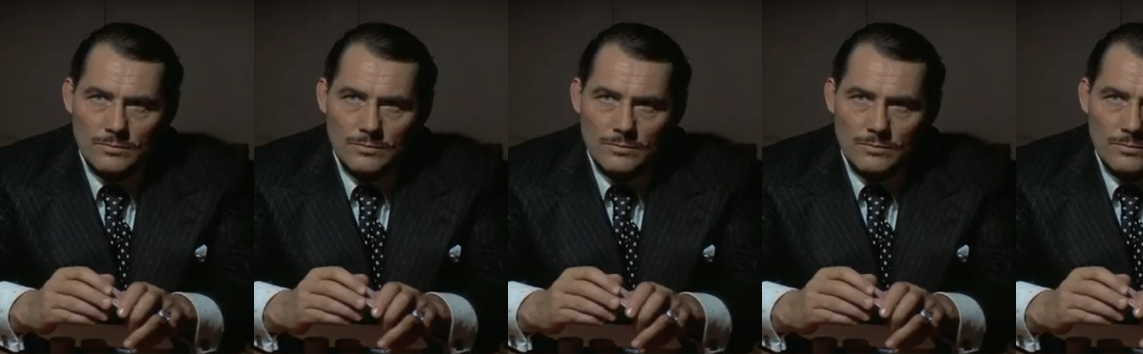
5. John Cassavetes in Love Streams - Cassavetes is convincing as the off-beat playboy, as well as the supportive brother, but the impact of his work always remains rather muted.
Best Scene: A naked man.
4. Jack Lemmon in Mass Appeal - Lemmon tries his best to salvage his material giving some honesty to his character even within such a problematic film.
Best Scene: Browning speech.
3. Tsutomu Yamazaki in Farewell to the Ark - Yamazaki manages to find balance within the film's strange tone giving a funny yet still honest portrayal of his character's intense frustrations.
Best Scene: He snaps.
2. Terence Stamp in The Hit - Stamp gives an amusing yet moving portrayal of a dead man walking who seemingly has come to terms with his fate.
Best Scene: "Death be not Proud"
1. John Hurt in The Hit - Good prediction Varun. The immensely talented Hurt proves himself more than capable at being the heavy this time around giving a properly chilling turn yet offers more depth in his vivid portrayal of a hit man who has been at his job for too many years.
Best Scene: The titular moment
Update Overall
Next Year: 1984 Supporting
Showing posts with label John Cassavetes. Show all posts
Wednesday, 12 April 2017
Wednesday, 5 April 2017
Alternate Best Actor 1984: John Cassavetes in Love Streams
John Cassavetes did not receive an Oscar nomination for portraying Robert Harmon in Love Streams.
Love Streams may be the film I was warned A Woman Under the Influence was, in that I found that film very easy to get through. This one though it just about impenetrable most of the time. It has good scenes in there, yet seems to purposefully starve your patience through his long drawn out scenes of behavior, also on a side note John Cassavetes doesn't seem to be able to direct children very well.
Any way my focus though is on Cassavetes as the actor not the director, and though he's perhaps viewed as an acting director these days he technically is an actor turned director despite having few prominent roles before his transition. This is actually one of his final performances as a director the role of Robert who we are introduced to as a playboy writer. Cassavetes isn't not an excessively charismatic performer, and there is something rather odd about casting himself in the role. The reason being Robert is the brother of Sarah played by Gena Rowlands's the wife of John Cassavetes. Although perhaps this is to show the undisputed closeness of the siblings not even in a romantic way, though the initial kiss upon meeting might be a touch too comfortable for non-Lannister siblings. Still that isn't exactly the focus, and it is not where the film starts. The film begins with Robert living his life which is that of slight relationships with only the occasional more substantial one when it is thrust upon him.
Cassavetes is more than convincing as the pleasure seeker in Robert as a man who just goes around looking for something to enjoy whether it is a drink or a woman. Cassavetes's performance sort of conveys this idea of an attempt of joy. In that there is always this intention and energy of someone trying to have a good time, even though he is not exactly always wholly capable in this regard. Cassavetes is good though in that he plays the part as though Robert is either just slightly tipsy or just has a bit of a hangover. Cassavetes is effective in realizing this day to day state of Robert as never exactly becoming too associated with anything. The film though decides to actually ram through his story rather quickly by having Robert suddenly having to deal with his son who is brought over by his estranged wife. Again the pacing of this element seems rather rushed, given how slow paced the film is in general. Cassavetes impresses himself to make something out of this in very short time. Cassavetes sort of does in just playing it as general frustrations of dealing with something that leaves him a little uneasy.
The film wraps that facet up and moves mostly to focusing on dealing with the mentally unstable Sarah who just commits one strange behavior after another. Cassavetes in the interactions between Robert and Sarah though suggest a bit of a different side to Robert. In that Cassavetes is rather good in at least portraying basically a loving brother's understanding of his sister in that he never reveals too rash of reaction, spelling out years of knowing her madness. Cassavetes doesn't limit this still showing that Robert is taken aback but holds back these frustrations to lashing out against her. Cassavetes is able to convey the complexity of that relationship and his performance works in that regard.. I have to say though his and Rowlands's performances work they never added to anything more than fulfilling the base need of to be a "good performance". Unlike A Woman Under the Influence and Faces this film never had a real emotional resonance. It felt more like acting for the sake of acting, behavior for the sake of behavior, uncomfortable situations simply to be uncomfortable situations. Now that acting for the sake of acting doesn't mean bad acting. In Cassavetes and Rowlands are both good in their roles, but their work simply laid there at a distance. Admirable in technique, but not engaging in terms of either crafting a truly empathetic or compelling character.
Love Streams may be the film I was warned A Woman Under the Influence was, in that I found that film very easy to get through. This one though it just about impenetrable most of the time. It has good scenes in there, yet seems to purposefully starve your patience through his long drawn out scenes of behavior, also on a side note John Cassavetes doesn't seem to be able to direct children very well.
Any way my focus though is on Cassavetes as the actor not the director, and though he's perhaps viewed as an acting director these days he technically is an actor turned director despite having few prominent roles before his transition. This is actually one of his final performances as a director the role of Robert who we are introduced to as a playboy writer. Cassavetes isn't not an excessively charismatic performer, and there is something rather odd about casting himself in the role. The reason being Robert is the brother of Sarah played by Gena Rowlands's the wife of John Cassavetes. Although perhaps this is to show the undisputed closeness of the siblings not even in a romantic way, though the initial kiss upon meeting might be a touch too comfortable for non-Lannister siblings. Still that isn't exactly the focus, and it is not where the film starts. The film begins with Robert living his life which is that of slight relationships with only the occasional more substantial one when it is thrust upon him.
Cassavetes is more than convincing as the pleasure seeker in Robert as a man who just goes around looking for something to enjoy whether it is a drink or a woman. Cassavetes's performance sort of conveys this idea of an attempt of joy. In that there is always this intention and energy of someone trying to have a good time, even though he is not exactly always wholly capable in this regard. Cassavetes is good though in that he plays the part as though Robert is either just slightly tipsy or just has a bit of a hangover. Cassavetes is effective in realizing this day to day state of Robert as never exactly becoming too associated with anything. The film though decides to actually ram through his story rather quickly by having Robert suddenly having to deal with his son who is brought over by his estranged wife. Again the pacing of this element seems rather rushed, given how slow paced the film is in general. Cassavetes impresses himself to make something out of this in very short time. Cassavetes sort of does in just playing it as general frustrations of dealing with something that leaves him a little uneasy.
The film wraps that facet up and moves mostly to focusing on dealing with the mentally unstable Sarah who just commits one strange behavior after another. Cassavetes in the interactions between Robert and Sarah though suggest a bit of a different side to Robert. In that Cassavetes is rather good in at least portraying basically a loving brother's understanding of his sister in that he never reveals too rash of reaction, spelling out years of knowing her madness. Cassavetes doesn't limit this still showing that Robert is taken aback but holds back these frustrations to lashing out against her. Cassavetes is able to convey the complexity of that relationship and his performance works in that regard.. I have to say though his and Rowlands's performances work they never added to anything more than fulfilling the base need of to be a "good performance". Unlike A Woman Under the Influence and Faces this film never had a real emotional resonance. It felt more like acting for the sake of acting, behavior for the sake of behavior, uncomfortable situations simply to be uncomfortable situations. Now that acting for the sake of acting doesn't mean bad acting. In Cassavetes and Rowlands are both good in their roles, but their work simply laid there at a distance. Admirable in technique, but not engaging in terms of either crafting a truly empathetic or compelling character.
Monday, 3 April 2017
Alternate Best Actor 1984
And the Nominees Were Not:
John Hurt in The Hit
Terence Stamp in The Hit
Jack Lemmon in Mass Appeal
Tsutomu Yamazaki in Farewell to the Ark
John Cassavetes in Love Streams
John Hurt in The Hit
Terence Stamp in The Hit
Jack Lemmon in Mass Appeal
Tsutomu Yamazaki in Farewell to the Ark
John Cassavetes in Love Streams
Sunday, 20 November 2011
Best Supporting Actor 1967: Results
5. Cecil Kellaway in Guess Who's Coming to Dinner- Kellaway is charming in the role, but it never requires more of him than just a little charm.
4. John Cassavetes in The Dirty Dozen- Cassavetes is appropriately rebellious in his early scenes, but later in the film it becomes quite hard to ever distinguish him from the rest of the dozen.
3. Michael J. Pollard in Bonnie and Clyde- Pollard gives the least memorable performance of the main cast, but this is a strong cast. He plays his past as a rather modest and impressionable boy just as he should, as well as does shine in a few key moments.
2. George Kennedy in Cool Hand Luke- Although Kennedy does some unneeded overacting from time to time in his performance he still gives a good performance. He is entertaining and especially effective in showing Dragline's complete admiration for the titular Luke, which is an essential part of his film.
1. Gene Hackman in Bonnie and Clyde- Good prediction Dinasztie . Gene Hackman easily gets my vote as he gives such a great performance despite some clear challenges in the part. Although not a single scene focuses solely on his character Hackman fully realizes not only his character but also how he factors in with the rest of the gang. There is not a wasted moment in Hackman's entire performance and when any opportunity presents itself in the film Hackman makes the most of it creating some very effective moments throughout his performance.
4. John Cassavetes in The Dirty Dozen- Cassavetes is appropriately rebellious in his early scenes, but later in the film it becomes quite hard to ever distinguish him from the rest of the dozen.
3. Michael J. Pollard in Bonnie and Clyde- Pollard gives the least memorable performance of the main cast, but this is a strong cast. He plays his past as a rather modest and impressionable boy just as he should, as well as does shine in a few key moments.
2. George Kennedy in Cool Hand Luke- Although Kennedy does some unneeded overacting from time to time in his performance he still gives a good performance. He is entertaining and especially effective in showing Dragline's complete admiration for the titular Luke, which is an essential part of his film.
1. Gene Hackman in Bonnie and Clyde- Good prediction Dinasztie . Gene Hackman easily gets my vote as he gives such a great performance despite some clear challenges in the part. Although not a single scene focuses solely on his character Hackman fully realizes not only his character but also how he factors in with the rest of the gang. There is not a wasted moment in Hackman's entire performance and when any opportunity presents itself in the film Hackman makes the most of it creating some very effective moments throughout his performance.
Saturday, 19 November 2011
Best Supporting Actor 1967: John Cassavetes in The Dirty Dozen
John Cassavetes received his only acting nomination for portraying Victor P. Franko in The Dirty Dozen.
The Dirty Dozen tells of a group of condemned soldiers who are put into a unit to undergo a dangerous mission.
John Cassavetes is best known today for being an experimental director, and not for his acting, although he certainly has a quite a few acting credits to his name. He also does not quite join the ranks of directors being nominated for acting like Vittorio De Sica, and Erich Von Stroheim because John Cassavetes actually did received a directing nomination eventually down the line were the other two where never recognized for the fields they were considered best in.
John Cassavetes does fit into those ranks somewhat though as the most notable thing about this nomination is that it is an acting nomination for Cassavetes who is still best known as a director. He plays one of the condemned soldiers who is quite the rebellious wise guy at the beginning of the film who purposefully questions the whole idea, and just thinks of ways that he can possibly escape, as well as complain about the various conditions that must deal with.
Cassavetes is just fine at being rebellious for the purpose of being so, and correctly conveys the idea that Franko was a career criminal before being in the army. He has the right reactions early on to suggest the way he is always looking for something to try exploit to his advantage, or something just to simply complain about. He most certainly is the character Franko should be, because I never once questioned his motives or the background of the character.
The only problem though is once the dozen becomes united into a military unit I must say I stopped really even noticing Cassavetes. Yes he was there with rest of the group, but just within nothing that he did made him standout in the least. He makes the occasional wise crack still, but his presence overall becomes quite muted. In the end this performance really is absolutely fine, but there is nothing particularly remarkable or special either.
The Dirty Dozen tells of a group of condemned soldiers who are put into a unit to undergo a dangerous mission.
John Cassavetes is best known today for being an experimental director, and not for his acting, although he certainly has a quite a few acting credits to his name. He also does not quite join the ranks of directors being nominated for acting like Vittorio De Sica, and Erich Von Stroheim because John Cassavetes actually did received a directing nomination eventually down the line were the other two where never recognized for the fields they were considered best in.
John Cassavetes does fit into those ranks somewhat though as the most notable thing about this nomination is that it is an acting nomination for Cassavetes who is still best known as a director. He plays one of the condemned soldiers who is quite the rebellious wise guy at the beginning of the film who purposefully questions the whole idea, and just thinks of ways that he can possibly escape, as well as complain about the various conditions that must deal with.
Cassavetes is just fine at being rebellious for the purpose of being so, and correctly conveys the idea that Franko was a career criminal before being in the army. He has the right reactions early on to suggest the way he is always looking for something to try exploit to his advantage, or something just to simply complain about. He most certainly is the character Franko should be, because I never once questioned his motives or the background of the character.
The only problem though is once the dozen becomes united into a military unit I must say I stopped really even noticing Cassavetes. Yes he was there with rest of the group, but just within nothing that he did made him standout in the least. He makes the occasional wise crack still, but his presence overall becomes quite muted. In the end this performance really is absolutely fine, but there is nothing particularly remarkable or special either.
Thursday, 17 November 2011
Best Supporting Actor 1967
And the Nominees Were:
Gene Hackman in Bonnie and Clyde
Michael J. Pollard in Bonnie and Clyde
George Kennedy in Cool Hand Luke
Cecil Kellaway in Guess Who's Coming to Dinner
John Cassavetes in The Dirty Dozen
Gene Hackman in Bonnie and Clyde
Michael J. Pollard in Bonnie and Clyde
George Kennedy in Cool Hand Luke
Cecil Kellaway in Guess Who's Coming to Dinner
John Cassavetes in The Dirty Dozen
Subscribe to:
Posts (Atom)