5. Brad Pitt in Once Upon a Time in Hollywood - Pitt delivers an entertaining turn here as he manages to deliver on sort of the promise of the proper leading man he was always intended to be, with his relaxed yet always engaging performance.
Best Scene: Tripping and killing.
4. Anthony Hopkins in The Two Popes - Hopkins goes beyond perhaps the call of his material, in creating an intimate, complex and moving portrayal of a man compromised by his beliefs and his failure to live up to them.
Best Scene: Confession.
3. Tom Hanks in A Beautiful Day in the Neighborhood - Hanks gives a wonderful performance here as he manages to not only convincingly evoke the presence of Mr. Rogers, but more importantly makes his essential philosophy tangible.
Best Scene: Speaking of his family.
2. Al Pacino in The Irishman - Pacino returns to cinematic greatness in his brilliant portrayal of Jimmy Hoffa, that creates the sense of the man's presence, as a politician, a schemer, a father and a friend, while also creating the heartbreaking descent through the realization of that unshakable pride that gets the best of him.
Best Scene: Final conversation with Frank at the gala.
1. Joe Pesci in The Irishman - Good predictions Luke, Mitchell Murray, moviefilm and Psifonian. Despite my love for the other top performances here, and really this is a fantastic lineup overall, I'll admit I didn't have a second thought on declaring the winner. Pesci returns to film, and doesn't lose a second in giving yet another masterful turn for Martin Scorsese, every time he's been Oscar nominated. This time completely subverting his usual depiction of gangsters, to give such an unforgettable and vivid portrait of a most powerful man, who wields it with but a whisper or, at times, even less.
Best Scene: "He's going, either way"
Showing posts with label 2019 Best Supporting Actor. Show all posts
Friday, 17 January 2020
Best Supporting Actor 2019: Tom Hanks in A Beautiful Day in the Neighborhood
Tom Hanks received his sixth Oscar nomination for portraying Fred Rogers in A Beautiful Day in the Neighborhood.
A Beautiful Day in the Neighborhood is a sweet little fable about a cynical journalist Lloyd (Matthew Rhys) whose life and world view is changed through an assignment to profile children TV show host Mister Rogers.
The beloved Tom Hanks returns to Oscar recognition, after being snubbed for nearly two decades, for portraying beloved children entertainer Fred Rogers. Although the film features Fred Rogers, it is not the story of his life, and Hanks, despite being a defining feature of the film, is correctly placed supporting as putting the emphasis on the idea of "supporting". Well before that though the casting itself here seems potentially ideal as one beloved entertainer playing another, though Hanks's strengths of an actor have never been in the actor of imitation. Hanks's performance though isn't one imitation. He doesn't try to transform himself into Rogers by losing his own presence, instead Hanks makes a fundamental decision, and the right decision, to craft an amalgamation between himself and Rogers. This as he lightly alters his voice towards the especially calming voice of Rogers, his folksy demeanor, and easy going physical manner. Both are light though while maintain that Hanks presence that is defined by seeming to be so approachable and amiable. This idea though let's pause on for moment though as Hanks actually gives sort of two performances here. This in that we have two Mr. Rogers's within the film. This as we meet both the man, and almost supernatural version of the man, more representative of the more limited view one was specifically able to see on TV. Now, Rogers was a man he appeared to be, but there is a difference still between the two particularly terms of how this is used in the film. This as the latter's use goes beyond show recreations, and towards almost an otherworldly observer of sorts over the tribulations of Lloyd.
This is as Hanks himself introduces the film we are watching as an episode of Mr. Rogers, with different segments coming in and teaching lessons based upon Lloyd's life. Hanks makes for a wonderful host himself as his own rendition of Rogers. This bringing just such a natural warmth as everything he says is completely bereft of even the slightest hint of condescension. This as he speaks language attuned to be understood by even the youngest children, however in this Hanks does not speak dismissively in this manner. Hanks instead emphasizes only these earnestness in every remark as he presents the story. A story he presents with an optimistic but not just glowing manner. There is an important teaching quality that Hanks delivers, not that of a lecture, but rather finds a softness in this as man presenting a life lesson that one will truly benefit from hearing it. Hanks though is able to capture this wonderful charm in the real simplistic manner of the whole presentation. This with Rogers not being this big bombastic showman, but rather a truly quiet little program. Hanks though finds the right attitude and spirit within this. This being the idea of the man truly inviting you to be his neighbor in the scenes by carrying this relaxed attitude, with just that slight smile of his to make sure that you feel comfortable right with him. Hanks brings these scenes to life as a recreation of Rogers, not by doing a one to one impression, but more importantly finding the unique charm of the man's ways, which weren't the most complex but also were defined by a full and welcoming heart.
Outside of the framing device though we do get to meet Rogers within the film, and he's not too different from that man who presented us with the story. Hanks though is excellent in not so much showing some other person, but rather more of Rogers as a person. This as in his first "real" scene, we see him reaching out to Lloyd as he arrives on Rogers's set for the profile. Hanks brings the same enthusiasm that he showed Rogers greeting his "neighbors" on the show as he does to speaking to Lloyd. Hanks's portrayal is overwhelming in a way, but overwhelming in the right way. This as much as it is as this excessive appreciation of just meeting someone, compared to the norm, Hanks's bright smile and outgoing presence though affirms that this is the only the honest truth. He's not acting like meeting Lloyd is the best thing in the world, for him meeting Lloyd really is the best thing in the world in that moment. Hanks makes the every concerning word only the reality of the who the man is who really does care for this man he just met, and wants to make sure that he is alright. We see the same zest in every human interactions we see Rogers have. This as Hanks shows a man who without exception loves people, and creates in his eyes this sincere fascination within everything about them. This as he speaks to Lloyd about his problems, Hanks keeps this consistent eye contact and interest, as a man who absolutely cares and wants to show his support towards him as one person to another.
Hanks's work though goes beyond from being just as personable in, well, person as he is on TV. This is really one of the most pivotal aspects of his performance. One key one being when Lloyd sees Rogers performing as one of his puppets Daniel Tiger. The voice is about as simple of a puppet voice as one can think of, replicated as such by Hanks, but the greatness of the moment is Hanks showing Rogers as he performs the scene. This is where Daniel is talking about his anger and having to work through it, and in this scene Hanks's face becomes burdened by its own distresses he goes into a song. This isn't in the moment though of Hanks revealing the truth that the rest of the scenes of Rogers is fake, but rather a truth that makes the man more tangible. This as we see the release of the negative through the positive expression of a song. This is also seen in his scene where Lloyd asks Rogers about the rougher periods of his life and his relationship with his sons. Hanks is outstanding in this moment in that as he speaks of these parts there is a in his eyes a sense of some anxieties over the period and pain. His voice though speaks of an equally relevant comfort though as Rogers explains that it is something he's come to work with and accept. Hanks in both of these scenes shows importantly that Rogers isn't some otherworldly force, but a self-actualized man. Self-actualized not by being perfect, but rather knowing that he will have hard feelings and how to deal with them. In these moments Hanks shows the pain not of some repression, but rather of this sense of understanding and knowing how to respond to it. He portrays the effort that Rogers puts on it, that doesn't diminish his personality, but rather shows that it is not some impossible thing to achieve. On that though we then do have the man who essentially knows how to funnel bad emotions, not by hiding them but dealing them in a positive way. There is the particularly wonderful moment of a sort of fourth wall break, where Hanks's Rogers asks Lloyd to think about those who have loved him into being. Hanks is looking right at the audience moment, is realized with a real poignancy as he carries that same appreciation for all, as though each is so important all at once. Tom Hanks's performance here is a fittingly beautiful piece of work here, as he not only creates his own convincing realization of the man's style, but more importantly creates such a vivid sense of his essential philosophy towards life.
A Beautiful Day in the Neighborhood is a sweet little fable about a cynical journalist Lloyd (Matthew Rhys) whose life and world view is changed through an assignment to profile children TV show host Mister Rogers.
The beloved Tom Hanks returns to Oscar recognition, after being snubbed for nearly two decades, for portraying beloved children entertainer Fred Rogers. Although the film features Fred Rogers, it is not the story of his life, and Hanks, despite being a defining feature of the film, is correctly placed supporting as putting the emphasis on the idea of "supporting". Well before that though the casting itself here seems potentially ideal as one beloved entertainer playing another, though Hanks's strengths of an actor have never been in the actor of imitation. Hanks's performance though isn't one imitation. He doesn't try to transform himself into Rogers by losing his own presence, instead Hanks makes a fundamental decision, and the right decision, to craft an amalgamation between himself and Rogers. This as he lightly alters his voice towards the especially calming voice of Rogers, his folksy demeanor, and easy going physical manner. Both are light though while maintain that Hanks presence that is defined by seeming to be so approachable and amiable. This idea though let's pause on for moment though as Hanks actually gives sort of two performances here. This in that we have two Mr. Rogers's within the film. This as we meet both the man, and almost supernatural version of the man, more representative of the more limited view one was specifically able to see on TV. Now, Rogers was a man he appeared to be, but there is a difference still between the two particularly terms of how this is used in the film. This as the latter's use goes beyond show recreations, and towards almost an otherworldly observer of sorts over the tribulations of Lloyd.
This is as Hanks himself introduces the film we are watching as an episode of Mr. Rogers, with different segments coming in and teaching lessons based upon Lloyd's life. Hanks makes for a wonderful host himself as his own rendition of Rogers. This bringing just such a natural warmth as everything he says is completely bereft of even the slightest hint of condescension. This as he speaks language attuned to be understood by even the youngest children, however in this Hanks does not speak dismissively in this manner. Hanks instead emphasizes only these earnestness in every remark as he presents the story. A story he presents with an optimistic but not just glowing manner. There is an important teaching quality that Hanks delivers, not that of a lecture, but rather finds a softness in this as man presenting a life lesson that one will truly benefit from hearing it. Hanks though is able to capture this wonderful charm in the real simplistic manner of the whole presentation. This with Rogers not being this big bombastic showman, but rather a truly quiet little program. Hanks though finds the right attitude and spirit within this. This being the idea of the man truly inviting you to be his neighbor in the scenes by carrying this relaxed attitude, with just that slight smile of his to make sure that you feel comfortable right with him. Hanks brings these scenes to life as a recreation of Rogers, not by doing a one to one impression, but more importantly finding the unique charm of the man's ways, which weren't the most complex but also were defined by a full and welcoming heart.
Outside of the framing device though we do get to meet Rogers within the film, and he's not too different from that man who presented us with the story. Hanks though is excellent in not so much showing some other person, but rather more of Rogers as a person. This as in his first "real" scene, we see him reaching out to Lloyd as he arrives on Rogers's set for the profile. Hanks brings the same enthusiasm that he showed Rogers greeting his "neighbors" on the show as he does to speaking to Lloyd. Hanks's portrayal is overwhelming in a way, but overwhelming in the right way. This as much as it is as this excessive appreciation of just meeting someone, compared to the norm, Hanks's bright smile and outgoing presence though affirms that this is the only the honest truth. He's not acting like meeting Lloyd is the best thing in the world, for him meeting Lloyd really is the best thing in the world in that moment. Hanks makes the every concerning word only the reality of the who the man is who really does care for this man he just met, and wants to make sure that he is alright. We see the same zest in every human interactions we see Rogers have. This as Hanks shows a man who without exception loves people, and creates in his eyes this sincere fascination within everything about them. This as he speaks to Lloyd about his problems, Hanks keeps this consistent eye contact and interest, as a man who absolutely cares and wants to show his support towards him as one person to another.
Hanks's work though goes beyond from being just as personable in, well, person as he is on TV. This is really one of the most pivotal aspects of his performance. One key one being when Lloyd sees Rogers performing as one of his puppets Daniel Tiger. The voice is about as simple of a puppet voice as one can think of, replicated as such by Hanks, but the greatness of the moment is Hanks showing Rogers as he performs the scene. This is where Daniel is talking about his anger and having to work through it, and in this scene Hanks's face becomes burdened by its own distresses he goes into a song. This isn't in the moment though of Hanks revealing the truth that the rest of the scenes of Rogers is fake, but rather a truth that makes the man more tangible. This as we see the release of the negative through the positive expression of a song. This is also seen in his scene where Lloyd asks Rogers about the rougher periods of his life and his relationship with his sons. Hanks is outstanding in this moment in that as he speaks of these parts there is a in his eyes a sense of some anxieties over the period and pain. His voice though speaks of an equally relevant comfort though as Rogers explains that it is something he's come to work with and accept. Hanks in both of these scenes shows importantly that Rogers isn't some otherworldly force, but a self-actualized man. Self-actualized not by being perfect, but rather knowing that he will have hard feelings and how to deal with them. In these moments Hanks shows the pain not of some repression, but rather of this sense of understanding and knowing how to respond to it. He portrays the effort that Rogers puts on it, that doesn't diminish his personality, but rather shows that it is not some impossible thing to achieve. On that though we then do have the man who essentially knows how to funnel bad emotions, not by hiding them but dealing them in a positive way. There is the particularly wonderful moment of a sort of fourth wall break, where Hanks's Rogers asks Lloyd to think about those who have loved him into being. Hanks is looking right at the audience moment, is realized with a real poignancy as he carries that same appreciation for all, as though each is so important all at once. Tom Hanks's performance here is a fittingly beautiful piece of work here, as he not only creates his own convincing realization of the man's style, but more importantly creates such a vivid sense of his essential philosophy towards life.
Thursday, 16 January 2020
Best Supporting Actor 2019: Joe Pesci in The Irishman
Joe Pesci received his third Oscar nomination for portraying Russell Bufalino in The Irishman.
Joe Pesci perhaps has one of the most unique careers out of any actor, marked by his Oscar nominations. This in failing to truly breakout after his initial Oscar nomination in 1980 for Raging Bull, before fully breaking out in the 90's after his Oscar win for Goodfellas, where he broke out perhaps even beyond expectations in that he was arguably nearly became a leading man for a period in the 90's, when he was in his fifties. Pesci though walked away from all of that, only appearing in a sum total of four films post-2000's, including this one, a voice role and a short cameo. This being less so a selective actor and more so a reluctant actor, as in that entrance of semi-retirement came also his attempted return to being what appears to be his true dream, that of being a crooner. Something he attempted and failed to do in the 60's, returned to in the late 90's, and would you believe he has a new record out now...I ponder if the promise of that was the method in which he was convinced to come out of retirement for this film...but I won't speculate too much. Now Pesci has returned, probably only briefly, to film here, and along with his previous Oscar recognized roles, shares the screen with Robert De Niro in the lead role, with Martin Scorsese directing the pair once again. The film marks their fourth collaboration overall, Casino being the not Pesci related Oscar nomination missing link, and with that film that film the third foray of Scorsese with Pesci and De Niro in a film that examines the gangster underworld. Now the funny thing in all of this, and one should be careful about using funny in relation to Joe Pesci, is that as much as Pesci seems the reluctant actor when you look at the amount of times he turned down the part, and his minimal output overall, you'd think he didn't care, however if one watched only the film, you'd only see a brilliant actor returning to the medium he so shined in once again.
This role is a notable change of pace for Pesci from his other gangster collaborations with Scorsese, where in Goodfellas and Casino, he played two different forms of a psychotic hot head who lives like a rabid dog and eventually is put down like one, if they're lucky. There is a colossal shift here though, as even though Pesci is perhaps one of the all time greats when it comes to delivering expressive intensity into a role, you'll barely even witness him raise his voice in this role. Now if one thinks that this will somehow hinder Pesci's performance, well you might just be insulting him a little bit, something we also should never do with Pesci, and witness what he does here as Russell Bufalino also known as The Quiet Don. Pesci's performance is extremely subdued as we meet him in his first chronological scene, as he meets future hitman, then trucker, Frank Sheeran (Robert De Niro), at a gas station. He helps the man, and Pesci leaves a memorable impression even in this scene. This as he brings a overabundance jovial warmth within the man as he helps the man. His exuding this genuine care, though when asked his name, there is this brilliant flick of shadow in his eyes. There alone we are granted the sense that this man isn't just a kind gentleman, even as he is just that in that single small maneuver by suggesting a different sort. Thankfully this is just a slight introduction before Frank runs into Russell again, now as he is introduced into the criminal underworld of New York and Pennsylvania, of which Russell is an essential figure within.
This is amazing work by Pesci, as he not only is able to deliver this work without the need of his usual style of performance, but he is absolutely mesmerizing to watch here. This as we even are given another introduction of sorts to Russell who invites Frank into the underworld and takes a liking to him. Pesci is able to realize this incredible charisma in the part, a charisma not defined by piling on any idea, but rather this is just the presence of the man. This is as he does it effortlessly, and in that quite the achievement, because Pesci just is this man. The vividness of Pesci's work is stunning in that not a single word, or moment in his work doesn't seem to exhibit this complexity of this man. This man who could only exist as he does being so many more things things than one would expect. In that on one hand he seems like the father figure, even to Frank in a way, as this supportive mentor. This that Pesci creates with that warmth, but this incisiveness in his words as showing a man who is never simply saying one thing. The fascinating thing about what Pesci pulls off here it is that it isn't though as this facade, rather he is able to capture rather the extreme intelligence and aptitude of the man, as every part of him is real in a sense. This is just rather that Pesci portrays Russell as a man who is almost conducting himself on a different thought level than anyone else, working multiple steps ahead and beyond all others. This is that Pesci is able to find while still being such a reserved yet always striking figure.
Pesci's realization of this is essential, and stunning as he fashions a believable sense of a man who defines a power of a different kind, though more powerful than any man with a gun. If one wants a masterclass on how to use one's eyes in film, watch Pesci here, as this is nothing short of extraordinary. This as Pesci says more in a single change of a glance than some actors do in an entire performance. For example, take the first time Frank nearly comes afoul of the mob by potentially accidentally bombing a mob owned laundromat. First Frank turns to see the usually so affable Russell, with this immediate expression that creates a sense of the gravity of the situation from just that there isn't a single sense of accommodation in Pesci. When Frank here's he'll be alright by doing the right thing for the powers that be, Pesci's glance just as easily softens so effectively into this mentor expressing instantly towards Frank "see how I've saved you". Pesci doesn't say a thing in the exchange, but says as much as De Niro and Harvey Keitel who he shares the scene with. This as Pesci realizes the eloquence of essentially in many ways a vicious killer, that Pesci puts bluntly in his only narration scene, but knows exactly how to operate as one in this underworld while never seeming as one. I can't help but adore every scene of Pesci, because he doesn't waste a second of a moment. There really is never a time that Russell says "kill this guy" or even that often uses a euphemism for Frank. It is just this change in expression from Pesci. My favorite perhaps being after an insult from a younger up and coming gangster, Pesci has this simple moment of hardening of his eyes towards De Niro, and in only that we that Russell has condemned the younger man.
Again though what is so remarkable is that Pesci isn't portraying different facades, rather it is all one man, who rather does just exist with this ability to measure all moments and play each side of an equation artfully. This as we see Russell outside specifically the mob situation, though he is never completely detached from it, and Pesci again is outstanding in the ease yet vibrancy of his performance. This is even the smallest moments like the interactions with his, as entrenched, mob wife, Pesci brings the sense of affection but the most minor push back of an old married couple. This like his quietly assuring way of "I made a vow" when remarking his decision to stop smoking and his earnest request that she smoke outside of the car. This also in his moments of just interacting with Frank's family and trying to be friends with Frank's reluctant daughter Peggy. Pesci presents this loving sort of grandfatherly manner as he attempts to try to endear himself towards her. This is wholly genuine as Pesci shows Russell really is truthful towards her in this moment. What I love though is he shows as much in his reactions to her near revulsion towards him, with this sense minor of frustration but an even greater sense of understanding. This as even as he insists she thanked him enough for a gift, while her father insists a greater thank you is in order, is a man who wants to show his affection, but speaks with the awareness of the type of man he is. In this as Pesci speaks the words with a truly unfortunate "oh well" rather than any bitterness towards the girl. Pesci's work though again goes beyond expectation though as he still doesn't make this two Russells, but rather one man who is able to artfully exist in both his personal life and the darkness involved in his professional one. Some of Pesci's greatest scenes come within the end of this, as his and Frank's once mutual friend Jimmy Hoffa (Al Pacino) has fallen out of favor yet is trying to regain his power as union president of the teamsters in any way he can, a concern for the mob. The one major scene between Pacino and Pesci, is one of the best in the film, and another astonishing scene for Pesci. This as we witness the method of Russell, that we see throughout the film, though this is one of the best moments of that of the negotiator. This as Pesci delivers with such strict sincerity the concerns, that he underlines with this conviction both towards Jimmy to take each word seriously, but that he also does hope Jimmy will make the right choice. His manner projects still the support almost of an understanding priest, not trying to tell Jimmy what to do, but rather hoping he will see the light. When Jimmy still rejects all of Russell rather reasoned urging to stand down, in his turn from him , Pesci's face again says so much in the resigned disappointment in Jimmy, and the glint his eyes, that is as deadly as the violent ravings of a vicious enforcer.
When of course Russell is not working, or negotiating though he is the one who makes sure death is assured, and in that we have maybe Pesci's greatest scene in the film, though of course Pesci only really has great scenes in the film. This in the pivotal breakfast where Russell tells Frank that he has to be the one to kill Jimmy, Frank's best friend. Pesci is flawless how he conducts the scene because in truth he is a snake charmer, in convincing a man to truly work against his self to kill perhaps his best friend. The thing is though with Pesci there is no curtain, no trick, no hypnotism, just gentle reason and tenable position. This as again his eyes alone say so much in the moment, as they manage to segue from this real sympathy for Frank's struggle, however just as much the real threat of the mob as they toughen ever so slightly in speaking of Frank's own safety, before breaking towards again this comforting appreciation, and genuine rationalization of explaining that they gave Jimmy so many chances. This as Pesci pulls off the trick without a trick, in being so convincing, and really technically manipulative, without seeming as such, as when Pesci says it, everything just seems to ring true. This as Pesci's whole performance is this profound creation of this type of power. The power of the silent man of judgment and calm. This as his quietude and even silence, Pesci makes such a unforgettable impact, and always holds one's attention distinctly. This as Pesci not only successfully subverts the typical expectation of a Pesci gangster performance, he goes far further in giving one of the greatest performances of its kind. This portrait of a truer sort of power, a greater one, of the man wields it with but a gentle word. I would be remiss though if I did not mention Pesci's final scenes that would be worthy of an Oscar nomination alone. This in his portrayal of an aged Russell. This as he realizes so naturally the nearly broken mannerisms of the man, marked by elderly tremors as the man now struggles to even eat bread. Pesci in an instance gives insight into the wear of the man's advanced age, and finds such a poignancy in portraying such eager appreciation of the small pleasure of just sucking on some bread dipped in wine, no longer able to eat it due to his teeth. He is heartbreaking even though as he brings up his sorrow over Jimmy, that Pesci portrays the most intense anger in his whole performance, by now creating the sense of frustration of having been forced into such a difficult choice. Although there is still a rationalization, Pesci delivers on the very real sadness within the rage of regret. This before his final moment of being quietly heartbreaking in being wholly convincing in portraying the doddering old man now, as he speaks to Frank of "going to church" with a hopefulness not of for freedom in his current life, though maybe something in the next. Although Pesci will probably try again for his singing career, I'll just appreciate what we received once again from him, this being yet another consummate turn in realizing all the greatness within his role, and even going beyond it. This showing that while Pesci will forever be a reluctant actor, to me, he is undeniably a great one.
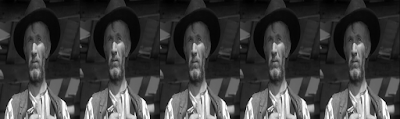
Joe Pesci perhaps has one of the most unique careers out of any actor, marked by his Oscar nominations. This in failing to truly breakout after his initial Oscar nomination in 1980 for Raging Bull, before fully breaking out in the 90's after his Oscar win for Goodfellas, where he broke out perhaps even beyond expectations in that he was arguably nearly became a leading man for a period in the 90's, when he was in his fifties. Pesci though walked away from all of that, only appearing in a sum total of four films post-2000's, including this one, a voice role and a short cameo. This being less so a selective actor and more so a reluctant actor, as in that entrance of semi-retirement came also his attempted return to being what appears to be his true dream, that of being a crooner. Something he attempted and failed to do in the 60's, returned to in the late 90's, and would you believe he has a new record out now...I ponder if the promise of that was the method in which he was convinced to come out of retirement for this film...but I won't speculate too much. Now Pesci has returned, probably only briefly, to film here, and along with his previous Oscar recognized roles, shares the screen with Robert De Niro in the lead role, with Martin Scorsese directing the pair once again. The film marks their fourth collaboration overall, Casino being the not Pesci related Oscar nomination missing link, and with that film that film the third foray of Scorsese with Pesci and De Niro in a film that examines the gangster underworld. Now the funny thing in all of this, and one should be careful about using funny in relation to Joe Pesci, is that as much as Pesci seems the reluctant actor when you look at the amount of times he turned down the part, and his minimal output overall, you'd think he didn't care, however if one watched only the film, you'd only see a brilliant actor returning to the medium he so shined in once again.
This role is a notable change of pace for Pesci from his other gangster collaborations with Scorsese, where in Goodfellas and Casino, he played two different forms of a psychotic hot head who lives like a rabid dog and eventually is put down like one, if they're lucky. There is a colossal shift here though, as even though Pesci is perhaps one of the all time greats when it comes to delivering expressive intensity into a role, you'll barely even witness him raise his voice in this role. Now if one thinks that this will somehow hinder Pesci's performance, well you might just be insulting him a little bit, something we also should never do with Pesci, and witness what he does here as Russell Bufalino also known as The Quiet Don. Pesci's performance is extremely subdued as we meet him in his first chronological scene, as he meets future hitman, then trucker, Frank Sheeran (Robert De Niro), at a gas station. He helps the man, and Pesci leaves a memorable impression even in this scene. This as he brings a overabundance jovial warmth within the man as he helps the man. His exuding this genuine care, though when asked his name, there is this brilliant flick of shadow in his eyes. There alone we are granted the sense that this man isn't just a kind gentleman, even as he is just that in that single small maneuver by suggesting a different sort. Thankfully this is just a slight introduction before Frank runs into Russell again, now as he is introduced into the criminal underworld of New York and Pennsylvania, of which Russell is an essential figure within.
This is amazing work by Pesci, as he not only is able to deliver this work without the need of his usual style of performance, but he is absolutely mesmerizing to watch here. This as we even are given another introduction of sorts to Russell who invites Frank into the underworld and takes a liking to him. Pesci is able to realize this incredible charisma in the part, a charisma not defined by piling on any idea, but rather this is just the presence of the man. This is as he does it effortlessly, and in that quite the achievement, because Pesci just is this man. The vividness of Pesci's work is stunning in that not a single word, or moment in his work doesn't seem to exhibit this complexity of this man. This man who could only exist as he does being so many more things things than one would expect. In that on one hand he seems like the father figure, even to Frank in a way, as this supportive mentor. This that Pesci creates with that warmth, but this incisiveness in his words as showing a man who is never simply saying one thing. The fascinating thing about what Pesci pulls off here it is that it isn't though as this facade, rather he is able to capture rather the extreme intelligence and aptitude of the man, as every part of him is real in a sense. This is just rather that Pesci portrays Russell as a man who is almost conducting himself on a different thought level than anyone else, working multiple steps ahead and beyond all others. This is that Pesci is able to find while still being such a reserved yet always striking figure.
Pesci's realization of this is essential, and stunning as he fashions a believable sense of a man who defines a power of a different kind, though more powerful than any man with a gun. If one wants a masterclass on how to use one's eyes in film, watch Pesci here, as this is nothing short of extraordinary. This as Pesci says more in a single change of a glance than some actors do in an entire performance. For example, take the first time Frank nearly comes afoul of the mob by potentially accidentally bombing a mob owned laundromat. First Frank turns to see the usually so affable Russell, with this immediate expression that creates a sense of the gravity of the situation from just that there isn't a single sense of accommodation in Pesci. When Frank here's he'll be alright by doing the right thing for the powers that be, Pesci's glance just as easily softens so effectively into this mentor expressing instantly towards Frank "see how I've saved you". Pesci doesn't say a thing in the exchange, but says as much as De Niro and Harvey Keitel who he shares the scene with. This as Pesci realizes the eloquence of essentially in many ways a vicious killer, that Pesci puts bluntly in his only narration scene, but knows exactly how to operate as one in this underworld while never seeming as one. I can't help but adore every scene of Pesci, because he doesn't waste a second of a moment. There really is never a time that Russell says "kill this guy" or even that often uses a euphemism for Frank. It is just this change in expression from Pesci. My favorite perhaps being after an insult from a younger up and coming gangster, Pesci has this simple moment of hardening of his eyes towards De Niro, and in only that we that Russell has condemned the younger man.
Again though what is so remarkable is that Pesci isn't portraying different facades, rather it is all one man, who rather does just exist with this ability to measure all moments and play each side of an equation artfully. This as we see Russell outside specifically the mob situation, though he is never completely detached from it, and Pesci again is outstanding in the ease yet vibrancy of his performance. This is even the smallest moments like the interactions with his, as entrenched, mob wife, Pesci brings the sense of affection but the most minor push back of an old married couple. This like his quietly assuring way of "I made a vow" when remarking his decision to stop smoking and his earnest request that she smoke outside of the car. This also in his moments of just interacting with Frank's family and trying to be friends with Frank's reluctant daughter Peggy. Pesci presents this loving sort of grandfatherly manner as he attempts to try to endear himself towards her. This is wholly genuine as Pesci shows Russell really is truthful towards her in this moment. What I love though is he shows as much in his reactions to her near revulsion towards him, with this sense minor of frustration but an even greater sense of understanding. This as even as he insists she thanked him enough for a gift, while her father insists a greater thank you is in order, is a man who wants to show his affection, but speaks with the awareness of the type of man he is. In this as Pesci speaks the words with a truly unfortunate "oh well" rather than any bitterness towards the girl. Pesci's work though again goes beyond expectation though as he still doesn't make this two Russells, but rather one man who is able to artfully exist in both his personal life and the darkness involved in his professional one. Some of Pesci's greatest scenes come within the end of this, as his and Frank's once mutual friend Jimmy Hoffa (Al Pacino) has fallen out of favor yet is trying to regain his power as union president of the teamsters in any way he can, a concern for the mob. The one major scene between Pacino and Pesci, is one of the best in the film, and another astonishing scene for Pesci. This as we witness the method of Russell, that we see throughout the film, though this is one of the best moments of that of the negotiator. This as Pesci delivers with such strict sincerity the concerns, that he underlines with this conviction both towards Jimmy to take each word seriously, but that he also does hope Jimmy will make the right choice. His manner projects still the support almost of an understanding priest, not trying to tell Jimmy what to do, but rather hoping he will see the light. When Jimmy still rejects all of Russell rather reasoned urging to stand down, in his turn from him , Pesci's face again says so much in the resigned disappointment in Jimmy, and the glint his eyes, that is as deadly as the violent ravings of a vicious enforcer.
When of course Russell is not working, or negotiating though he is the one who makes sure death is assured, and in that we have maybe Pesci's greatest scene in the film, though of course Pesci only really has great scenes in the film. This in the pivotal breakfast where Russell tells Frank that he has to be the one to kill Jimmy, Frank's best friend. Pesci is flawless how he conducts the scene because in truth he is a snake charmer, in convincing a man to truly work against his self to kill perhaps his best friend. The thing is though with Pesci there is no curtain, no trick, no hypnotism, just gentle reason and tenable position. This as again his eyes alone say so much in the moment, as they manage to segue from this real sympathy for Frank's struggle, however just as much the real threat of the mob as they toughen ever so slightly in speaking of Frank's own safety, before breaking towards again this comforting appreciation, and genuine rationalization of explaining that they gave Jimmy so many chances. This as Pesci pulls off the trick without a trick, in being so convincing, and really technically manipulative, without seeming as such, as when Pesci says it, everything just seems to ring true. This as Pesci's whole performance is this profound creation of this type of power. The power of the silent man of judgment and calm. This as his quietude and even silence, Pesci makes such a unforgettable impact, and always holds one's attention distinctly. This as Pesci not only successfully subverts the typical expectation of a Pesci gangster performance, he goes far further in giving one of the greatest performances of its kind. This portrait of a truer sort of power, a greater one, of the man wields it with but a gentle word. I would be remiss though if I did not mention Pesci's final scenes that would be worthy of an Oscar nomination alone. This in his portrayal of an aged Russell. This as he realizes so naturally the nearly broken mannerisms of the man, marked by elderly tremors as the man now struggles to even eat bread. Pesci in an instance gives insight into the wear of the man's advanced age, and finds such a poignancy in portraying such eager appreciation of the small pleasure of just sucking on some bread dipped in wine, no longer able to eat it due to his teeth. He is heartbreaking even though as he brings up his sorrow over Jimmy, that Pesci portrays the most intense anger in his whole performance, by now creating the sense of frustration of having been forced into such a difficult choice. Although there is still a rationalization, Pesci delivers on the very real sadness within the rage of regret. This before his final moment of being quietly heartbreaking in being wholly convincing in portraying the doddering old man now, as he speaks to Frank of "going to church" with a hopefulness not of for freedom in his current life, though maybe something in the next. Although Pesci will probably try again for his singing career, I'll just appreciate what we received once again from him, this being yet another consummate turn in realizing all the greatness within his role, and even going beyond it. This showing that while Pesci will forever be a reluctant actor, to me, he is undeniably a great one.
Wednesday, 15 January 2020
Best Supporting Actor 2019: Al Pacino in The Irishman
Al Pacino received his ninth Oscar nomination for portraying Jimmy Hoffa in The Irishman.
The Irishman follows the life of "house-painter" (hitman) Frank Sheeran (Robert De Niro) within his career with the Italian mafia and his friendship with Jimmy Hoffa.
This film marks the fourth collaboration between two of the actors who defined the 70's in Al Pacino and Robert De Niro. This after not being able to share a scene in The Godfather Part II, given they played father and son in two different time periods, then sharing 3, two of them very brief, scenes as a cop and a crook at opposite ends in Heat, and another film that exists that is sadly more representative of both of their later careers than the aforementioned films. The Irishman returns them to a greater pedigree as a film by also marking Al Pacino's first collaboration with one of the major 70's mavericks in Martin Scorsese. Of course Pacino's career has always maintained a degree of quality through his television work that has been consistently of quality, even when his film career sagged a bit. Pacino though is an actor though even in these lesser films, with lesser characters, did seem as though he was trying to have fun, even if his performances occasionally became a bit repetitive, and weren't exactly working with the best of material. Here appears to be a change of pace for Pacino in the role of Jimmy Hoffa, the famed, and infamous, teamster union president. I do say as this appears to be as in some way this role isn't entirely away from later period Pacino, if to simplify this message there is definitely yelling to be found here, and a louder Pacino role. The thing is though James Riddle Hoffa was not the quiet retiring type and this isn't just Pacino coasting on hot air, this is something special once again.
Pacino certainly delivers here in the most pronounced scenes of Hoffa's energy, in some of his first scenes where we see Hoffa the union leader essentially priming his constitutes like a proper politician. Although here Pacino makes a better, more exact use of the Pacino roar to drum up the crowd with a specified use of it. This with the charisma in the speeches of a true rabble rouser as Pacino finds the right combination between inspiration and intensity. This speaking upon the idea of support and leadership, while also drumming up the crowd towards a frenzy. Pacino here though not even in his speeches just yelling, but rather finding more nuance in his performance. This in portraying Hoffa almost conducting the crowd like a proper general in making this firm exact points within the speeches with a greater grace, before bringing the crowd in towards his rapid raving support for his views. Pacino exudes the needed manner for Hoffa, that is larger than life to be sure, but he delivers an honesty within this idea. This even in the nuance within the role of the politician, which can be purposefully broad, by creating the figure that could easily be as beloved or reviled depending on one's point of view. He initially though makes a few important choices in the role, two choices that his predecessor Jack Nicholson did not avoid, one choosing only to fashion certain elements of his mannerisms in his performance, and more importantly not being a one note parody of a teamster.
Pacino's main appropriation from Hoffa is his unique cadence of speaking, not so much an accent, but rather a manner, which Pacino naturally realizes in the role. This giving a nice distinction his own work that he makes the most of as we see the quieter, though sort of, still public scenes of Hoffa. This in his first scene where he talks to Frank through intermediator Russell Bufalino (Joe Pesci) over the phone. Pacino delivering in that almost sing song voice of a showman of sorts as he speaks to the idea of the movement and the history that he is creating. Pacino manages to portray this internalized ego though that works as a wonderful charisma. This is as in this moment Pacino delivers each line of a man who firmly believes in everything he is saying, but also has become quite assured the ways in which to convince others of the same idea. Pacino has this inspirational spirit even when hiring basically a hitman, with this promotion he accentuates in every word to make it as though it is the very best idea possible to be working under him. The other essential public moments are in his brief senate hearings though Pacino again uses these to riff a bit as well. This as we do see that same assurance though now played as a deferring attitude as they pry at his possible illegal actions. This as Pacino speaks word with the careful calculation and even presentation of the same man even when in front of the whole world for suspected criminal behavior.
This is a fun and entertaining performance by Pacino, but he is never coasting on this sort of bravado he's making work for the character. This as even in the moment of a mentally ill never-would-be assassin attempting to kill him leads to a bit of showboating. Pacino absolutely makes this work by showing the way Jimmy clicks into this manner essentially in the moment, loving to play for the crowd with his spirited demeanor as he mentors all on the need to rush a gunman but run from a knife man. Pacino is clearly having fun, but it works in showing the way Hoffa is having fun by making the most of the situation, as the man is never too modest to do a bit of self-promotion. That isn't all there is to Pacino here, even if on that alone would've made this the best Pacino's been on film for quite some time. This is as Pacino realizes quickly another time for Jimmy in his scenes with Frank just as friends, or with his family particularly his relationship with Frank's daughter the otherwise closed off Peggy. This as Pacino realizes Jimmy as an extremely likable guy in a general sense. This downplaying the politician and the leader, just to show perhaps the man who initially found power just by endearing himself to others. This in bringing an ease in his personality of man who at this more intimate level just exudes a genuine care for those around him. His interactions with De Niro aren't actually these actors sparring sessions. It is rather creating the sense of friendship between an extrovert and introvert. This in Pacino bringing this outward camaraderie, who is ready to support his friend, and always keep him in his good graces. This with Pacino bringing an earnestness in these quieter moments of just real friendship. This being even greater in his moments with Peggy where Pacino creates such an palatable warmth of a loving man in every moment. This crafting a sense of absolute sincerity towards her as this father she would wish she could've had. Although these moments in the grand scheme are brief, they are essential and Pacino makes the most out of them by speaking and giving every look with a pure sense of affection.
The private and the public man, that Pacino lives up to with a larger than life impact, while granting an amiable intimacy establishes the height of the man, which means there can only be a downfall. Pacino is great in this in that he shows that everything that allowed him to achieve greatness is as likely to create the final tragedy. This as we see in his two particularly important scenes with gangster and union boss Tony Pro (Stephen Graham). This as the two are the proverbial unstoppable force and unmovable object. This in these scenes Pacino portrays that same man so assured in himself though now working with a man who is just as assured, yet will go to even greater extremes to get what he wants. Pacino is fantastic in portraying such a strict stubbornness in every interaction. This as he looks at him with a quiet disdain, and brings such venom in every word. This even in moments of technical cordiality Pacino finds this pent up disdain, that he so naturally releases as this instinctual reaction to the man he views so lowly. I especially love their second confrontation as he makes the breakdown of negotiations so naturally inevitable, by speaking every word as just this decay towards his truth of hate towards the man which he releases with such brilliant intensity. Pacino realizes Hoffa in this deteriorating method, not because of a change in self, but a change in his power without an awareness of the situation he is in. Pacino becomes heartbreaking in such an interesting way as he finds this particular naivety as he speaks with still such confidence of his own position, and his own power even as it becomes all the more obvious he doesn't have it. Pacino is moving by showing the man still with this certainty towards his own strength that he cannot realize he is slowly digging his own grave. Take one of his best scenes with the other man I'll be getting to soon, in one of the last attempts to save Hoffa by asking him to basically calm down. Pacino is outstanding in the graciousness he brings towards the other man, even with these quick aside of frustration as disregard for the powers that be. This creating this striking conviction in the man, a conviction that is sadly nothing but a blindness to what it is. The same is seen in one of his final scenes with De Niro, where Frank tries to convince Jimmy that it is his last chance. Pacino's doggedness is amazing as it still is of the man who is just sure he has it all in control, and makes it all the more poignant in emphasizing the only point of concern towards Frank himself. This in his eyes showing care for Frank's well being while still being oblivious or at least too stubborn to see his own. One of the saddest scenes being Pacino's brief final ones as he presents Hoffa still proceeding like business as usual, though with a bit more desperation, though without a single sense of the fate that awaits him. This is a return to form to Pacino, as he once again delivers a truly great performance. This as Pacino creates such a powerful and unique tragedy within his portrayal of Hoffa, as showing the man who in his estimation has always been right therefore cannot be wrong, not even at the bitter end.
This film marks the fourth collaboration between two of the actors who defined the 70's in Al Pacino and Robert De Niro. This after not being able to share a scene in The Godfather Part II, given they played father and son in two different time periods, then sharing 3, two of them very brief, scenes as a cop and a crook at opposite ends in Heat, and another film that exists that is sadly more representative of both of their later careers than the aforementioned films. The Irishman returns them to a greater pedigree as a film by also marking Al Pacino's first collaboration with one of the major 70's mavericks in Martin Scorsese. Of course Pacino's career has always maintained a degree of quality through his television work that has been consistently of quality, even when his film career sagged a bit. Pacino though is an actor though even in these lesser films, with lesser characters, did seem as though he was trying to have fun, even if his performances occasionally became a bit repetitive, and weren't exactly working with the best of material. Here appears to be a change of pace for Pacino in the role of Jimmy Hoffa, the famed, and infamous, teamster union president. I do say as this appears to be as in some way this role isn't entirely away from later period Pacino, if to simplify this message there is definitely yelling to be found here, and a louder Pacino role. The thing is though James Riddle Hoffa was not the quiet retiring type and this isn't just Pacino coasting on hot air, this is something special once again.
Pacino certainly delivers here in the most pronounced scenes of Hoffa's energy, in some of his first scenes where we see Hoffa the union leader essentially priming his constitutes like a proper politician. Although here Pacino makes a better, more exact use of the Pacino roar to drum up the crowd with a specified use of it. This with the charisma in the speeches of a true rabble rouser as Pacino finds the right combination between inspiration and intensity. This speaking upon the idea of support and leadership, while also drumming up the crowd towards a frenzy. Pacino here though not even in his speeches just yelling, but rather finding more nuance in his performance. This in portraying Hoffa almost conducting the crowd like a proper general in making this firm exact points within the speeches with a greater grace, before bringing the crowd in towards his rapid raving support for his views. Pacino exudes the needed manner for Hoffa, that is larger than life to be sure, but he delivers an honesty within this idea. This even in the nuance within the role of the politician, which can be purposefully broad, by creating the figure that could easily be as beloved or reviled depending on one's point of view. He initially though makes a few important choices in the role, two choices that his predecessor Jack Nicholson did not avoid, one choosing only to fashion certain elements of his mannerisms in his performance, and more importantly not being a one note parody of a teamster.
Pacino's main appropriation from Hoffa is his unique cadence of speaking, not so much an accent, but rather a manner, which Pacino naturally realizes in the role. This giving a nice distinction his own work that he makes the most of as we see the quieter, though sort of, still public scenes of Hoffa. This in his first scene where he talks to Frank through intermediator Russell Bufalino (Joe Pesci) over the phone. Pacino delivering in that almost sing song voice of a showman of sorts as he speaks to the idea of the movement and the history that he is creating. Pacino manages to portray this internalized ego though that works as a wonderful charisma. This is as in this moment Pacino delivers each line of a man who firmly believes in everything he is saying, but also has become quite assured the ways in which to convince others of the same idea. Pacino has this inspirational spirit even when hiring basically a hitman, with this promotion he accentuates in every word to make it as though it is the very best idea possible to be working under him. The other essential public moments are in his brief senate hearings though Pacino again uses these to riff a bit as well. This as we do see that same assurance though now played as a deferring attitude as they pry at his possible illegal actions. This as Pacino speaks word with the careful calculation and even presentation of the same man even when in front of the whole world for suspected criminal behavior.
This is a fun and entertaining performance by Pacino, but he is never coasting on this sort of bravado he's making work for the character. This as even in the moment of a mentally ill never-would-be assassin attempting to kill him leads to a bit of showboating. Pacino absolutely makes this work by showing the way Jimmy clicks into this manner essentially in the moment, loving to play for the crowd with his spirited demeanor as he mentors all on the need to rush a gunman but run from a knife man. Pacino is clearly having fun, but it works in showing the way Hoffa is having fun by making the most of the situation, as the man is never too modest to do a bit of self-promotion. That isn't all there is to Pacino here, even if on that alone would've made this the best Pacino's been on film for quite some time. This is as Pacino realizes quickly another time for Jimmy in his scenes with Frank just as friends, or with his family particularly his relationship with Frank's daughter the otherwise closed off Peggy. This as Pacino realizes Jimmy as an extremely likable guy in a general sense. This downplaying the politician and the leader, just to show perhaps the man who initially found power just by endearing himself to others. This in bringing an ease in his personality of man who at this more intimate level just exudes a genuine care for those around him. His interactions with De Niro aren't actually these actors sparring sessions. It is rather creating the sense of friendship between an extrovert and introvert. This in Pacino bringing this outward camaraderie, who is ready to support his friend, and always keep him in his good graces. This with Pacino bringing an earnestness in these quieter moments of just real friendship. This being even greater in his moments with Peggy where Pacino creates such an palatable warmth of a loving man in every moment. This crafting a sense of absolute sincerity towards her as this father she would wish she could've had. Although these moments in the grand scheme are brief, they are essential and Pacino makes the most out of them by speaking and giving every look with a pure sense of affection.
The private and the public man, that Pacino lives up to with a larger than life impact, while granting an amiable intimacy establishes the height of the man, which means there can only be a downfall. Pacino is great in this in that he shows that everything that allowed him to achieve greatness is as likely to create the final tragedy. This as we see in his two particularly important scenes with gangster and union boss Tony Pro (Stephen Graham). This as the two are the proverbial unstoppable force and unmovable object. This in these scenes Pacino portrays that same man so assured in himself though now working with a man who is just as assured, yet will go to even greater extremes to get what he wants. Pacino is fantastic in portraying such a strict stubbornness in every interaction. This as he looks at him with a quiet disdain, and brings such venom in every word. This even in moments of technical cordiality Pacino finds this pent up disdain, that he so naturally releases as this instinctual reaction to the man he views so lowly. I especially love their second confrontation as he makes the breakdown of negotiations so naturally inevitable, by speaking every word as just this decay towards his truth of hate towards the man which he releases with such brilliant intensity. Pacino realizes Hoffa in this deteriorating method, not because of a change in self, but a change in his power without an awareness of the situation he is in. Pacino becomes heartbreaking in such an interesting way as he finds this particular naivety as he speaks with still such confidence of his own position, and his own power even as it becomes all the more obvious he doesn't have it. Pacino is moving by showing the man still with this certainty towards his own strength that he cannot realize he is slowly digging his own grave. Take one of his best scenes with the other man I'll be getting to soon, in one of the last attempts to save Hoffa by asking him to basically calm down. Pacino is outstanding in the graciousness he brings towards the other man, even with these quick aside of frustration as disregard for the powers that be. This creating this striking conviction in the man, a conviction that is sadly nothing but a blindness to what it is. The same is seen in one of his final scenes with De Niro, where Frank tries to convince Jimmy that it is his last chance. Pacino's doggedness is amazing as it still is of the man who is just sure he has it all in control, and makes it all the more poignant in emphasizing the only point of concern towards Frank himself. This in his eyes showing care for Frank's well being while still being oblivious or at least too stubborn to see his own. One of the saddest scenes being Pacino's brief final ones as he presents Hoffa still proceeding like business as usual, though with a bit more desperation, though without a single sense of the fate that awaits him. This is a return to form to Pacino, as he once again delivers a truly great performance. This as Pacino creates such a powerful and unique tragedy within his portrayal of Hoffa, as showing the man who in his estimation has always been right therefore cannot be wrong, not even at the bitter end.
Tuesday, 14 January 2020
Best Supporting Actor 2019: Brad Pitt in Once Upon A Time in Hollywood
Brad Pitt won his first acting Oscar from fourth acting Oscar nomination for portraying Cliff Booth in Once Upon a Time in Hollywood.
Brad Pitt returns to working with Quentin Tarantino, as one of the co-leads here through the misadventures of fading star Rick Dalton (Leonardo DiCaprio) and his stuntman Cliff Booth in 1969 Hollywood. Quite clearly co-lead in my mind as the film jumps back and forth between, Rick, Cliff and Sharon Tate (Margot Robbie) in just about equal measure. The difference between Rick and Cliff to Sharon, is the first two have dialogue. Cliff though is as important to the story, and it is just as much his. This goes to sort of an old rule though where the more servile the character the more supporting they are even when that doesn't make sense. So anyway, he's lead, but with that out of the way, how about Pitt's performance. Well initially I will say I had some concerns regarding Pitt in this role, as despite very much being always positioned as the movie star, Pitt usually has thrived most when working with a complex or flamboyant character. Cliff isn't that complex, not that this is a criticism, and strangely enough is more so the movie star role than what DiCaprio has in Rick Dalton. This is in that in the first two thirds of the film, the character of Cliff is dependent on really Pitt's star presence more than anything, as he's mostly a character built around just the idea of cool, though if you break him down he technically isn't all that. Pitt's performance though takes this approach, which essentially emphasizes the idea that Cliff, unlike the very worrisome Rick, has no major concerns just happy for the ride as Rick's sometime stuntman and more often driver and general handyman.
So Pitt for much of the run time, he needs to coast on his star charisma, mostly, something he really hasn't successfully done before this point. Well this thankfully is a change of pace for that. Well firstly this approach works in creating the sense of Booth's place as just there for the ride, and acts as a straight man for the more emotional Rick. Of course none of this would work, if Pitt didn't deliver on the charisma, which he does this time around. Although DiCaprio is the one filling in literally for Steve McQueen in the film, Pitt is the one evoking that sort of swagger in his approach to Cliff. This approach that works, because well Pitt is cool here. He pulls it off having that ease, but more than anything earning that ease. He's got the swagger down, in being someone who one could easily argue has a massive ego, yet does not hate him for whatever reason. This as there is just this style and manner that Pitt manages to achieve that creates that classic sort of cool with the character. This isn't to say Pitt pulls this off just by acting like he barely cares, although that is definitely part of it, and that in itself isn't some slight thing, that takes some skill. A skill that Pitt was always set up for but did not achieve until this point, I'd say, which is a point for celebration, I suppose. Take his early scenes where we see Pitt project a man who knows exactly who he is and what he does, no matter what others view on that. Pitt is entertaining in realizing this even as he faces down Bruce Lee with a certain disregard for the legend. Pitt so owns this manner, that as he's even being a jerk with even mocking Lee's battle cry, you still like him.
It is technically easier to like him though as we see Cliff go about investigating the Spahn ranch and running afoul with some cultists. Here where Pitt makes you classically root for him in his disregarding delivery towards each of them, and just the assured glances as he remain unimpressed by all of them while trying to figure out what is going on exactly. It is even quite fun as he punches down one of the cultists who pops his tire, through the effortless confidence that Pitt projects when he quietly demands the cultist change the tire for him. Pitt owns the screen quite simply in that way that always seem intended for him, and is wholly realized here, now as that "old looking stuntman". I suppose though an addition reason why it may be so easy to take to Pitt as Cliff, in his major scenes he shares with DiCaprio, which there isn't an overabundance of, but the ones they do have are special. This as the two stars, create an old school star duo here worthy of comparison to say a Newman/Redford. This in part as Pitt plays that straight well in his "don't worry about" expression against Rick's very emotional reaction to just about everything in his career. It helps though also in the real sense of friendship that is granted between the two. This realized in Pitt's always earnest supportive demeanor he brings within Cliff towards Rick. Whether this be just some quick urging about how Italian films aren't that bad, or reminded Rick that he is indeed "Rick fuckin' Dalton" and not to forget this, Pitt brings a real proper support of a true best bud. This just is as this implied concern and warmth, again in his overall ease and chill man that is Cliff Booth.
There isn't a change for Cliff Booth for much of the film, as he keeps that easy going style which again Pitt makes watchable, I mean even his portrayal of preparing dog food and mac and cheese somehow is not nearly as banal as it should be when he's doing it, although having a trusty dog side kick never hurts things. The major shift for Cliff comes only in the last act, only because one he is called upon to inflict a bit more fundamental damage against some violent hippies, where a trusty dog side kick never hurts things. We also get a change simply because he smokes an acid laced cigarette. This gives Pitt a chance show off with what he perhaps best at, a bit of broad comedy. This as Pitt's portrayal of Cliff's reaction to the drug is rather hilarious as he waves in great interest at his own hand, and his chill demeanor is reduced to an even greater level of smiling at the world. This results in perhaps not ideal, or perhaps ideal, circumstances when the murderous hippies come calling, that he had previously run into at Spahn ranch. Pitt is comic gold in its initial befuddled reaction at them, that is wonderful as he combines it with a confusion of both substance use and genuinely at the people. He's great then in the way he so casually, and dismissively recalls "yeah Spahn" ranch noting each in a somewhat demeaning way. This particularly true in his manner towards the male hippie of having earlier met him while was riding a "horsie" and that his name was something a lot dumber than the "devil" as the cultist claims. Pitt's comedic timing is dynamite, and makes the most out of every line, he's a genuine riot before Cliff goes about dispatching of the hippie's with extreme prejudice. The one moment there that needs definite mention in the carnage is Pitt's reaction as Cliff finds himself stabbed with just casual "hmm" that is great. The scene is set for Pitt to run with, and he does. That is the highlight of what here is just a very entertaining performance by Brad Pitt. The character is pretty to the point, and Pitt is to the point in this turn. This in delivering wholly on the promise of Brad Pitt the movie star, though while also bringing out a healthy dose of that comedy that helped to keep him in the good graces of many.
Brad Pitt returns to working with Quentin Tarantino, as one of the co-leads here through the misadventures of fading star Rick Dalton (Leonardo DiCaprio) and his stuntman Cliff Booth in 1969 Hollywood. Quite clearly co-lead in my mind as the film jumps back and forth between, Rick, Cliff and Sharon Tate (Margot Robbie) in just about equal measure. The difference between Rick and Cliff to Sharon, is the first two have dialogue. Cliff though is as important to the story, and it is just as much his. This goes to sort of an old rule though where the more servile the character the more supporting they are even when that doesn't make sense. So anyway, he's lead, but with that out of the way, how about Pitt's performance. Well initially I will say I had some concerns regarding Pitt in this role, as despite very much being always positioned as the movie star, Pitt usually has thrived most when working with a complex or flamboyant character. Cliff isn't that complex, not that this is a criticism, and strangely enough is more so the movie star role than what DiCaprio has in Rick Dalton. This is in that in the first two thirds of the film, the character of Cliff is dependent on really Pitt's star presence more than anything, as he's mostly a character built around just the idea of cool, though if you break him down he technically isn't all that. Pitt's performance though takes this approach, which essentially emphasizes the idea that Cliff, unlike the very worrisome Rick, has no major concerns just happy for the ride as Rick's sometime stuntman and more often driver and general handyman.
So Pitt for much of the run time, he needs to coast on his star charisma, mostly, something he really hasn't successfully done before this point. Well this thankfully is a change of pace for that. Well firstly this approach works in creating the sense of Booth's place as just there for the ride, and acts as a straight man for the more emotional Rick. Of course none of this would work, if Pitt didn't deliver on the charisma, which he does this time around. Although DiCaprio is the one filling in literally for Steve McQueen in the film, Pitt is the one evoking that sort of swagger in his approach to Cliff. This approach that works, because well Pitt is cool here. He pulls it off having that ease, but more than anything earning that ease. He's got the swagger down, in being someone who one could easily argue has a massive ego, yet does not hate him for whatever reason. This as there is just this style and manner that Pitt manages to achieve that creates that classic sort of cool with the character. This isn't to say Pitt pulls this off just by acting like he barely cares, although that is definitely part of it, and that in itself isn't some slight thing, that takes some skill. A skill that Pitt was always set up for but did not achieve until this point, I'd say, which is a point for celebration, I suppose. Take his early scenes where we see Pitt project a man who knows exactly who he is and what he does, no matter what others view on that. Pitt is entertaining in realizing this even as he faces down Bruce Lee with a certain disregard for the legend. Pitt so owns this manner, that as he's even being a jerk with even mocking Lee's battle cry, you still like him.
It is technically easier to like him though as we see Cliff go about investigating the Spahn ranch and running afoul with some cultists. Here where Pitt makes you classically root for him in his disregarding delivery towards each of them, and just the assured glances as he remain unimpressed by all of them while trying to figure out what is going on exactly. It is even quite fun as he punches down one of the cultists who pops his tire, through the effortless confidence that Pitt projects when he quietly demands the cultist change the tire for him. Pitt owns the screen quite simply in that way that always seem intended for him, and is wholly realized here, now as that "old looking stuntman". I suppose though an addition reason why it may be so easy to take to Pitt as Cliff, in his major scenes he shares with DiCaprio, which there isn't an overabundance of, but the ones they do have are special. This as the two stars, create an old school star duo here worthy of comparison to say a Newman/Redford. This in part as Pitt plays that straight well in his "don't worry about" expression against Rick's very emotional reaction to just about everything in his career. It helps though also in the real sense of friendship that is granted between the two. This realized in Pitt's always earnest supportive demeanor he brings within Cliff towards Rick. Whether this be just some quick urging about how Italian films aren't that bad, or reminded Rick that he is indeed "Rick fuckin' Dalton" and not to forget this, Pitt brings a real proper support of a true best bud. This just is as this implied concern and warmth, again in his overall ease and chill man that is Cliff Booth.
There isn't a change for Cliff Booth for much of the film, as he keeps that easy going style which again Pitt makes watchable, I mean even his portrayal of preparing dog food and mac and cheese somehow is not nearly as banal as it should be when he's doing it, although having a trusty dog side kick never hurts things. The major shift for Cliff comes only in the last act, only because one he is called upon to inflict a bit more fundamental damage against some violent hippies, where a trusty dog side kick never hurts things. We also get a change simply because he smokes an acid laced cigarette. This gives Pitt a chance show off with what he perhaps best at, a bit of broad comedy. This as Pitt's portrayal of Cliff's reaction to the drug is rather hilarious as he waves in great interest at his own hand, and his chill demeanor is reduced to an even greater level of smiling at the world. This results in perhaps not ideal, or perhaps ideal, circumstances when the murderous hippies come calling, that he had previously run into at Spahn ranch. Pitt is comic gold in its initial befuddled reaction at them, that is wonderful as he combines it with a confusion of both substance use and genuinely at the people. He's great then in the way he so casually, and dismissively recalls "yeah Spahn" ranch noting each in a somewhat demeaning way. This particularly true in his manner towards the male hippie of having earlier met him while was riding a "horsie" and that his name was something a lot dumber than the "devil" as the cultist claims. Pitt's comedic timing is dynamite, and makes the most out of every line, he's a genuine riot before Cliff goes about dispatching of the hippie's with extreme prejudice. The one moment there that needs definite mention in the carnage is Pitt's reaction as Cliff finds himself stabbed with just casual "hmm" that is great. The scene is set for Pitt to run with, and he does. That is the highlight of what here is just a very entertaining performance by Brad Pitt. The character is pretty to the point, and Pitt is to the point in this turn. This in delivering wholly on the promise of Brad Pitt the movie star, though while also bringing out a healthy dose of that comedy that helped to keep him in the good graces of many.
Monday, 13 January 2020
Best Supporting Actor 2019: Anthony Hopkins in The Two Popes
Anthony Hopkins received his fifth Oscar nomination for portraying Pope Benedict XVI in The Two Popes.
Anthony Hopkins returns from his long Oscar nomination drought to return in the role of the retiring conservative Pope Benedict in this film built around conversations between himself and the next Pope Francis, a progressive reformer. Hopkins's role is secondary throughout the film though the film is built around both characters making him inherently lead. It does detour enough away from Benedict to focus on more personal scenes for Francis to say that this isn't the most egregious category placement, though I would say Hopkins is co-lead here if pressed. Hopkins while less well cast as Jonathan Pryce as Francis, though that would be hard to compare to, seems the right fit the elder statesman type. Hopkins also helping out the appearance difference himself, by personally offering the furrowed left brow himself rather than threw makeup. The real question though isn't any fun tricks Hopkins can perform, like a little bit of Latin, German, playing Clair Du Lune (once again after Westworld, which I get it Sir Anthony, I also love playing that song on the piano) what have you, but rather what does he deliver on the role. Well not a German accent for one, but nor does he attempt, nor do I really care, as Hopkins instead seems to seek to deliver on the man's presence, particularly in the way that it differs towards Pryce's portrayal of Francis.
His initial appearance in the film is just before he becomes Pope, in turn technically becoming Benedict, and here though is a scene that Hopkins does make use of in portraying Benedict seemingly in his element as the politician attempting to secure votes. This Hopkins portrays not as this overt charisma but rather this consistent priestly command of a man of faith in his repeated statement. Hopkins delivers on this sort of sly conviction, and while the scene is brief, Hopkins does use it well to suggest a different side of the man, very much seeking the position for the moment as the elder statesman fulfilling this expectation. The film then jumps to the end of his "reign" as he has a conference with the soon to be Francis. A conversation with Benedict's intention being to talk Francis from resigning from his position, though this seemingly positive point in fact becoming more of this confrontation of the two men's conflicting ideals. Hopkins's performance is in contrast to his initial scene as he effectively portrays the change in years from the burden of his power. This in part physically as Hopkins very much emphasizes the personal fragility that realizes itself with this certain cold demeanor, of a withdrawn man, who of course only chooses the most careful of movements. The greater truths of the man come out within his words though as Francis and he begin to speak to one another about their differences in view.
When Hopkins and Pryce are together, just talking, the film is at its best, and actually works quite well at times. Although I'd love the conversations to go deeper, more than anything it allows chances for the two seasoned actors just to work together. This begins with the most confrontational scene where the two are very much standing for their separated ideas about how the catholic church should exist within the modern world. One should not take Hopkins's work for granted, because he is terrific here, even if to be expected in delivering in this conversation. Where Francis is purposefully more straight forward, Benedict has a greater complexity that Hopkins is able to realize in this conversation. This as when speaking strictly on his views Hopkins delivers his words with a critical conviction, not based on his own passion towards them, but rather how he lies against Francis's ideas. He balances this in a fascinating way though in the attempts at cordiality, as he tips into moments of venom as Hopkins speaks lines, and pulls back, showing a man attempting the grace of his position though struggling to maintain it. He also captures in his reactions to Francis this physical anxiety and internalized frustration at every critical word towards his views. This that Hopkins's depicts in this weight of this responsibility of position that he conveys in these moments. This as Hopkins shows a man struggling to maintain what is the expectation of his position now, in the face of scrutiny. A reaction Hopkins never simplifies, showing as much frustration, as exasperation of a man attempting to maintain the convictions expected of him as Pope.
These scenes of ideology though are typically separated by one of two scenes, either flashbacks that degrade the pacing of the film as the film does work when it is left to Hopkins and Pryce, or more interpersonal scenes of the two popes just being two men. Hopkins thrives within these scenes as well by presenting a different struggle in the man, who by nature isn't overly personable. Hopkins brings this certain shortness initially in his casual conversations with Francis, of a man unsure how to share other's passions naturally. Hopkins doesn't portray this as an overt coldness but rather effectively portrays this as an introversion. This is shown in Hopkins as when he describes his own interests, whether it be playing piano or talking about a Austrian cop dog show, Hopkins brings a quiet warmth and a greater energy. This as even in his early scene of playing the piano to Francis, we do not just see a cold authoritarian within Hopkins in the moment. This showing a genuine passion within the man that does exist, it is just harder for him to share it with others, and share the passion of others right away. Hopkins plays these moments of a calm revealing of his more affable qualities, that are true but hidden within the self-imposed constrictions of the man. These conversations also give the chance for Pryce and Hopkins just to play around a bit together, and the two do have a wonderful bit of chemistry that makes these scenes work to a degree, even if what they speak isn't of always some great importance. This is though as the two begin to naturally weave the conversation tones together as the men speak between, ideals, hobbies and faith in their confrontation of sorts.
There are essential moments for Hopkins when Benedict speaks not on the Pope's faith but his personal faith. These words that Hopkins delivers very quietly, and withdraws himself. This portraying another burden, though not frustration towards others but this quiet shame towards one self. He finds a poignancy of the man not living to the expectation of this faith, this burden. These frustrations revealing itself naturally to the man who wishes to retire from his position. Hopkins finds the complexity of this and does so without even being the central focus within the story. The interaction climaxes as both men essentially act as a priest to listen to a confession for the other. This is as Francis reveals what to be his own great sin, Hopkins's reveals the care of a priest in his words and eyes of the man attempting to comfort Francis over his perceived fault. Hopkins's own confession is the best scene of the film by virtue of Hopkins's performance. This as he begins the scene with almost a comic attitude of going through the motions of explaining away his venial sins. This is as he continues Hopkins reveals this weight within his face of the greater sins the man has let slip by him and allowed himself to commit. He delivers a quiet sorrow within the man, and pain of this failure to do his duties therefore live up to his faith. When Francis insists he face it more specifically on a human level, Hopkins is exceptional in revealing the growing anger of the man not at Francis, but towards himself as a faithful man no longer experiencing a divine presence he always had in his youth. Although this film may seem the most obvious form of Oscar, perhaps it is, this is a genuinely strong performance from Anthony Hopkins. Yes it seems easy from him, that only speaks to his talent, in finding the complexity of his character, even beyond his somewhat simplistic script.
Anthony Hopkins returns from his long Oscar nomination drought to return in the role of the retiring conservative Pope Benedict in this film built around conversations between himself and the next Pope Francis, a progressive reformer. Hopkins's role is secondary throughout the film though the film is built around both characters making him inherently lead. It does detour enough away from Benedict to focus on more personal scenes for Francis to say that this isn't the most egregious category placement, though I would say Hopkins is co-lead here if pressed. Hopkins while less well cast as Jonathan Pryce as Francis, though that would be hard to compare to, seems the right fit the elder statesman type. Hopkins also helping out the appearance difference himself, by personally offering the furrowed left brow himself rather than threw makeup. The real question though isn't any fun tricks Hopkins can perform, like a little bit of Latin, German, playing Clair Du Lune (once again after Westworld, which I get it Sir Anthony, I also love playing that song on the piano) what have you, but rather what does he deliver on the role. Well not a German accent for one, but nor does he attempt, nor do I really care, as Hopkins instead seems to seek to deliver on the man's presence, particularly in the way that it differs towards Pryce's portrayal of Francis.
His initial appearance in the film is just before he becomes Pope, in turn technically becoming Benedict, and here though is a scene that Hopkins does make use of in portraying Benedict seemingly in his element as the politician attempting to secure votes. This Hopkins portrays not as this overt charisma but rather this consistent priestly command of a man of faith in his repeated statement. Hopkins delivers on this sort of sly conviction, and while the scene is brief, Hopkins does use it well to suggest a different side of the man, very much seeking the position for the moment as the elder statesman fulfilling this expectation. The film then jumps to the end of his "reign" as he has a conference with the soon to be Francis. A conversation with Benedict's intention being to talk Francis from resigning from his position, though this seemingly positive point in fact becoming more of this confrontation of the two men's conflicting ideals. Hopkins's performance is in contrast to his initial scene as he effectively portrays the change in years from the burden of his power. This in part physically as Hopkins very much emphasizes the personal fragility that realizes itself with this certain cold demeanor, of a withdrawn man, who of course only chooses the most careful of movements. The greater truths of the man come out within his words though as Francis and he begin to speak to one another about their differences in view.
When Hopkins and Pryce are together, just talking, the film is at its best, and actually works quite well at times. Although I'd love the conversations to go deeper, more than anything it allows chances for the two seasoned actors just to work together. This begins with the most confrontational scene where the two are very much standing for their separated ideas about how the catholic church should exist within the modern world. One should not take Hopkins's work for granted, because he is terrific here, even if to be expected in delivering in this conversation. Where Francis is purposefully more straight forward, Benedict has a greater complexity that Hopkins is able to realize in this conversation. This as when speaking strictly on his views Hopkins delivers his words with a critical conviction, not based on his own passion towards them, but rather how he lies against Francis's ideas. He balances this in a fascinating way though in the attempts at cordiality, as he tips into moments of venom as Hopkins speaks lines, and pulls back, showing a man attempting the grace of his position though struggling to maintain it. He also captures in his reactions to Francis this physical anxiety and internalized frustration at every critical word towards his views. This that Hopkins's depicts in this weight of this responsibility of position that he conveys in these moments. This as Hopkins shows a man struggling to maintain what is the expectation of his position now, in the face of scrutiny. A reaction Hopkins never simplifies, showing as much frustration, as exasperation of a man attempting to maintain the convictions expected of him as Pope.
These scenes of ideology though are typically separated by one of two scenes, either flashbacks that degrade the pacing of the film as the film does work when it is left to Hopkins and Pryce, or more interpersonal scenes of the two popes just being two men. Hopkins thrives within these scenes as well by presenting a different struggle in the man, who by nature isn't overly personable. Hopkins brings this certain shortness initially in his casual conversations with Francis, of a man unsure how to share other's passions naturally. Hopkins doesn't portray this as an overt coldness but rather effectively portrays this as an introversion. This is shown in Hopkins as when he describes his own interests, whether it be playing piano or talking about a Austrian cop dog show, Hopkins brings a quiet warmth and a greater energy. This as even in his early scene of playing the piano to Francis, we do not just see a cold authoritarian within Hopkins in the moment. This showing a genuine passion within the man that does exist, it is just harder for him to share it with others, and share the passion of others right away. Hopkins plays these moments of a calm revealing of his more affable qualities, that are true but hidden within the self-imposed constrictions of the man. These conversations also give the chance for Pryce and Hopkins just to play around a bit together, and the two do have a wonderful bit of chemistry that makes these scenes work to a degree, even if what they speak isn't of always some great importance. This is though as the two begin to naturally weave the conversation tones together as the men speak between, ideals, hobbies and faith in their confrontation of sorts.
There are essential moments for Hopkins when Benedict speaks not on the Pope's faith but his personal faith. These words that Hopkins delivers very quietly, and withdraws himself. This portraying another burden, though not frustration towards others but this quiet shame towards one self. He finds a poignancy of the man not living to the expectation of this faith, this burden. These frustrations revealing itself naturally to the man who wishes to retire from his position. Hopkins finds the complexity of this and does so without even being the central focus within the story. The interaction climaxes as both men essentially act as a priest to listen to a confession for the other. This is as Francis reveals what to be his own great sin, Hopkins's reveals the care of a priest in his words and eyes of the man attempting to comfort Francis over his perceived fault. Hopkins's own confession is the best scene of the film by virtue of Hopkins's performance. This as he begins the scene with almost a comic attitude of going through the motions of explaining away his venial sins. This is as he continues Hopkins reveals this weight within his face of the greater sins the man has let slip by him and allowed himself to commit. He delivers a quiet sorrow within the man, and pain of this failure to do his duties therefore live up to his faith. When Francis insists he face it more specifically on a human level, Hopkins is exceptional in revealing the growing anger of the man not at Francis, but towards himself as a faithful man no longer experiencing a divine presence he always had in his youth. Although this film may seem the most obvious form of Oscar, perhaps it is, this is a genuinely strong performance from Anthony Hopkins. Yes it seems easy from him, that only speaks to his talent, in finding the complexity of his character, even beyond his somewhat simplistic script.
Best Supporting Actor 2019
Al Pacino in The Irishman
Joe Pesci in The Irishman
Brad Pitt in Once Upon a Time in Hollywood
Anthony Hopkins in The Two Popes
Tom Hanks in A Beautiful Day in the Neighborhood
Subscribe to:
Posts (Atom)


