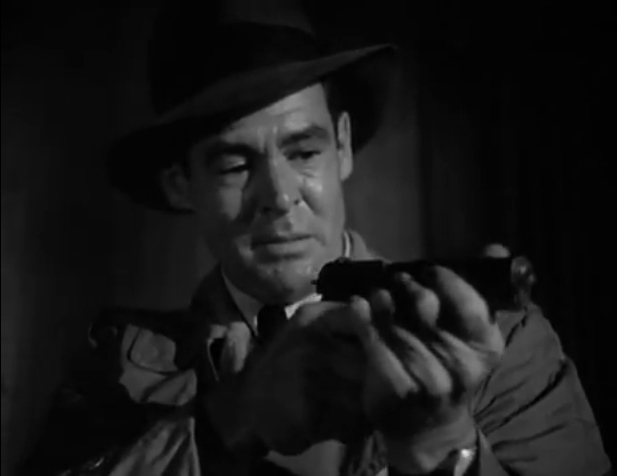
5. John Garfield in Force of Evil - Garfield gives one of his better performances in his nearly uncompromising portrayal of a sleazy lawyer.
Best Scene: Falling from comfort.
4. Rex Harrison in Unfaithfully Yours - Harrison gives an appropriately entertaining and irreverent portrayal of a romantic falling into madness.
Best Scene: Failing to murder.
3. Ray Milland in The Big Clock - Milland gives a terrific wrong man performance that is particularly effective in realizing the film's tricky tone throughout.
Best Scene: Confrontation.
2. Robert Donat in The Winslow Boy - Donat delivers on the promise of playing a barrister, by delivering a powerful portrayal of a man capable of weaponizing his passions.
Best Scene: Interrogating the boy.
1. Takashi Shimura in Drunken Angel - Good Predictions Anonymous, Robert, Bryan and RatedRStar. Shimura gives one of his greatest turns against type, before he had his type, in delivering the mess of man that covers the noble spirit of the titular angel.
Best Scene: Pondering the Yakuza.
Updated Overall
Updated Supporting Overall
Next Year: 1975 Lead
Showing posts with label 1948 Alternate Supporting. Show all posts
Wednesday, 29 August 2018
Monday, 13 August 2018
Alternate Best Supporting Actor 1948: Robert Donat in The Winslow Boy
Robert Donat did not receive an Oscar nomination for portraying Sir Robert Morton in The Winslow Boy.
The Winslow Boy is another, as to be expected it seems, assured and compelling stage adaptation by Anthony Asquith, this time about the case of a boy being expelled from a naval academy that slowly snowballs to become a matter of national importance in England.
Playing a barrister or a lawyer seems like a type of role that an actor will play at least sometime in their life, or perhaps they should given the nature of the profession. That of a showman in a certain sense, though with that with a specific intention that isn't entertainment but rather persuasion. This grants a performer a unique challenge, but also opportunity to essentially create a method of their own to fulfill this unique need. It is then with much appreciation that I find the underrated Robert Donat in such a role. Robert Donat enters into the film near the middle point of the film as the boy's father Arthur Winslow (Cedric Hardwicke) continues to seek justice for his son who was expelled from a naval academy for an alleged theft despite receiving no trail whatsoever, despite so many being against with his main support coming from his free spirited feminist daughter Catherine (Margaret Leighton). Sir Robert initially appears as just a potential barrister, who may not even have much of an interest in the case as he seems more concerned with his upcoming dinner appointment as he arrives to meet the family. Donat is particularly good at seeming indifferent with a certain calm that is so very suitable to that the sincere face of his. Donat presents a man though especially calm in this state which will soon mean far more than indifference as it can initially be misinterpreted as.
Before Sir Robert leaves, he interrogates the boy himself though in the manner of the prosecutor rather than the boy's prospective defense. Donat is mesmerizing in the scene as he plays it as essentially Sir Robert switching onto barrister mode. Donat is fantastic as he commands every moment with his still gentle in terms of his accent, yet now fierce in his pointed delivery, as Sir Robert goes about weeding the truth out of the situation. Donat's method of intensity is particularly effective as he brings so much ease within it yet with such palatable determination as well. There is overarching calm command in his demeanor as he makes it wholly convincing that he not only "breaks" the boy as he does, but also manages to grasp the situation through his approach. My favorite moment of this though is perhaps when Sir Robert is finished, and instantly switches back to the seemingly disinterested tardy diner. In this Donat reveals his approach within the part which is to play Sir Robert as a man who very much reserves his energy only to what it is absolutely pivotal to do so, while the rest of the time presenting the man of a strict ease and grace. This is not to say either are static though, however this setup is rather effective for Donat in terms of developing the personal power of the barrister.
Sir Robert out of court Donat does not show as someone you ignore still rather actually reveals his own persuasive ability even within this state. Donat in his calm delivery though finds its own incisiveness however he realizes this through a very dry wit. What's so wonderful in these moments is how presents the way Sir Robert is not phased in these moments. Donat's manner captures this inherent power through this as exudes the presence of man so assured within himself, and his own ability that he need not "show off". This makes it most dynamic then when we do so a more overt expression from Donat's performance. This is of course in the courtroom scenes where Donat delivers the more direct passion as you'd expect, with the right persuasive flavor within the appropriate potency in every word. Again Donat doesn't exactly break in either rather nearly weaponizes the character's emotions in a way, by essentially revealing the more direct emotion only when it is most useful. My favorite moment within this idea through Donat's performance actually comes not in grandiose speech, but rather a single gesture. That being when parliament speaks against giving the Winslow boy a proper trial by stating public safety should overcome individual rights. Donat says nothing, only closes a book, yet his reaction captures in a moment the severity of Sir Robert's conviction, and you can feel the outrage in the man even without muttering a single phrase.
Donat creates such a dynamic force in the film, and enlivens every scene through his captivating turn. Although Sir Robert doesn't have a major arc, Donat also excels in the bit we are granted of one. This largely being his own investment into the case, which is more obvious in the courtroom scenes, however Donat also has some wonderfully low key moments as he projects a growing empathy in the man's eyes as he explains his ongoing support of their endeavor. This is just a light touch, yet just another facet that Donat so effortlessly realizes in his performance. Donat's performance absolutely amplifies the material at every turn even when the material itself is perhaps imperfect. This comes in the final scene of the film where it attempts to insinuate a possible romance between the daughter Catherine and Sir Robert. An unneeded scene perhaps, however I can almost forgive it for how well it is executed by Donat and Leighton. The moment being that of playful banter as Catherine comments how little Sir Robert knows women when asking if she has dropped her feminist endeavors, to which Robert counters how little she knows men when she doubts the two will ever see each other again. Donat's delivery of the line is again filled with such a cool wit, but also his reaction is downright swoon worthy to be honest with the charm he infuses into the moment. It's a great moment due to Donat's performance, which is representation of the work he delivers in this film giving one of his best performances by never wasting an instance of potential within the part.
Playing a barrister or a lawyer seems like a type of role that an actor will play at least sometime in their life, or perhaps they should given the nature of the profession. That of a showman in a certain sense, though with that with a specific intention that isn't entertainment but rather persuasion. This grants a performer a unique challenge, but also opportunity to essentially create a method of their own to fulfill this unique need. It is then with much appreciation that I find the underrated Robert Donat in such a role. Robert Donat enters into the film near the middle point of the film as the boy's father Arthur Winslow (Cedric Hardwicke) continues to seek justice for his son who was expelled from a naval academy for an alleged theft despite receiving no trail whatsoever, despite so many being against with his main support coming from his free spirited feminist daughter Catherine (Margaret Leighton). Sir Robert initially appears as just a potential barrister, who may not even have much of an interest in the case as he seems more concerned with his upcoming dinner appointment as he arrives to meet the family. Donat is particularly good at seeming indifferent with a certain calm that is so very suitable to that the sincere face of his. Donat presents a man though especially calm in this state which will soon mean far more than indifference as it can initially be misinterpreted as.
Before Sir Robert leaves, he interrogates the boy himself though in the manner of the prosecutor rather than the boy's prospective defense. Donat is mesmerizing in the scene as he plays it as essentially Sir Robert switching onto barrister mode. Donat is fantastic as he commands every moment with his still gentle in terms of his accent, yet now fierce in his pointed delivery, as Sir Robert goes about weeding the truth out of the situation. Donat's method of intensity is particularly effective as he brings so much ease within it yet with such palatable determination as well. There is overarching calm command in his demeanor as he makes it wholly convincing that he not only "breaks" the boy as he does, but also manages to grasp the situation through his approach. My favorite moment of this though is perhaps when Sir Robert is finished, and instantly switches back to the seemingly disinterested tardy diner. In this Donat reveals his approach within the part which is to play Sir Robert as a man who very much reserves his energy only to what it is absolutely pivotal to do so, while the rest of the time presenting the man of a strict ease and grace. This is not to say either are static though, however this setup is rather effective for Donat in terms of developing the personal power of the barrister.
Sir Robert out of court Donat does not show as someone you ignore still rather actually reveals his own persuasive ability even within this state. Donat in his calm delivery though finds its own incisiveness however he realizes this through a very dry wit. What's so wonderful in these moments is how presents the way Sir Robert is not phased in these moments. Donat's manner captures this inherent power through this as exudes the presence of man so assured within himself, and his own ability that he need not "show off". This makes it most dynamic then when we do so a more overt expression from Donat's performance. This is of course in the courtroom scenes where Donat delivers the more direct passion as you'd expect, with the right persuasive flavor within the appropriate potency in every word. Again Donat doesn't exactly break in either rather nearly weaponizes the character's emotions in a way, by essentially revealing the more direct emotion only when it is most useful. My favorite moment within this idea through Donat's performance actually comes not in grandiose speech, but rather a single gesture. That being when parliament speaks against giving the Winslow boy a proper trial by stating public safety should overcome individual rights. Donat says nothing, only closes a book, yet his reaction captures in a moment the severity of Sir Robert's conviction, and you can feel the outrage in the man even without muttering a single phrase.
Donat creates such a dynamic force in the film, and enlivens every scene through his captivating turn. Although Sir Robert doesn't have a major arc, Donat also excels in the bit we are granted of one. This largely being his own investment into the case, which is more obvious in the courtroom scenes, however Donat also has some wonderfully low key moments as he projects a growing empathy in the man's eyes as he explains his ongoing support of their endeavor. This is just a light touch, yet just another facet that Donat so effortlessly realizes in his performance. Donat's performance absolutely amplifies the material at every turn even when the material itself is perhaps imperfect. This comes in the final scene of the film where it attempts to insinuate a possible romance between the daughter Catherine and Sir Robert. An unneeded scene perhaps, however I can almost forgive it for how well it is executed by Donat and Leighton. The moment being that of playful banter as Catherine comments how little Sir Robert knows women when asking if she has dropped her feminist endeavors, to which Robert counters how little she knows men when she doubts the two will ever see each other again. Donat's delivery of the line is again filled with such a cool wit, but also his reaction is downright swoon worthy to be honest with the charm he infuses into the moment. It's a great moment due to Donat's performance, which is representation of the work he delivers in this film giving one of his best performances by never wasting an instance of potential within the part.
Saturday, 25 May 2013
Alternate Best Supporting 1948: Results
Best Scene: Temple literally stands up to Rocco.
4. Robert Ryan in Act of Violence- A limited but effective turn of man filled with hate but also haunted by horrors.
Best Scene: Joe tells about his connection with Frank.
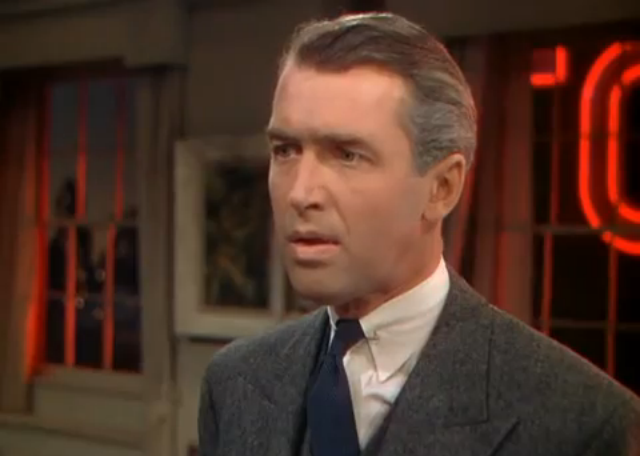
3. James Stewart in Rope- Although he was miscast Stewart though still gives it his all and manages to still deliver an effective turn.
Best Scene: Cadell sees what his theories has created.
2. Edward G. Robinson in Key Largo- The role fits like a glove and Robinson properly delivers as the villainous gangster.
Best Scene: Rocco tries to ignore the hurricane.
1. Alec Guinness in Oliver Twist- Guinness is almost invisible in his role as Fagin through his natural depiction of the character's age and particular manner. He only adds to through his ability to be warm and charming while being an evil schemer.
Best Scene: Fagin catches Oliver looking at his treasure chest.
Overall Rank:
- Walter Huston in The Treasure of the Sierra Madre
- Robert Donat in The Winslow Boy
- Alec Guinness in Oliver Twist
- Edward G. Robinson in Key Largo
- James Stewart in Rope
- Ralph Richardson in Anna Karenina
- Lionel Barrymore in Key Largo
- Ward Bond in Fort Apache
- William Hartnell in Brighton Rock
- Thomas Gomez in Force of Evil
- Cedric Hardwicke in The Winslow Boy
- Pat O'Brien in The Boy with the Green Hair
- Marcel Andre in Les Parents Terribles
- Richard Widmark in The Street With No Name
- Alastair Sim in London Belongs to Me
- Enzo Staiola in Bicycle Thieves
- Richard Conte in Call Northside 777
- Walter Brennan in Blood on the Moon
- Pedro Armendariz in 3 Godfathers
- Charles Laughton in The Big Clock
- Lon Chaney Jr. in Abbott and Costello Meet Frankenstein
- George Macready in The Big Clock
- Richard Widmark in Yellow Sky
- Ernst Pittschau in Germany, Year Zero
- Bela Lugosi in Abbott and Costello Meet Frankenstein
- Cecil Kellaway in The Luck of the Irish
- Richard Haydn in Sitting Pretty
- James Barton in Yellow Sky
- Dan O'Herlihy in Macbeth
- Denis O'Dea in The Fallen Idol
- Robert Preston in Blood on the Moon
- Jack Hawkins in The Fallen Idol
- Melvyn Douglas in Mr. Blandings Builds His Dream House
- Basil Sydney in Hamlet
- Leo Genn in The Snake Pit
- Reisaburo Yamamoto in Drunken Angel
- Charles Bickford in Johnny Belinda
- Erich Gühne in Germany, Year Zero
- Walter Brennan in Red River
- Henry Stephenson in Oliver Twist
- Stanley Holloway in Hamlet
- Marcel Journet in Letter From an Unknown Woman
- Thomas Gomez in Key Largo
- Bruce Bennett in The Treasure of the Sierra Madre
- Marius Goring in The Red Shoes
- Victor McLaglen in Fort Apache
- Lee J. Cobb in Call Northside 777
- Cedric Hardwicke in Rope
- Louis Jourdan in Letter From an Unknown Woman
- Victor Mature in Cry of the City
- Ward Bond in 3 Godfathers
- Mark Stevens in The Snake Pit
- Edgar Kennedy in Unfaithfully Yours
- David Wayne in Portrait of Jennie
- Terence Morgan in Hamlet
- Anthony Newley in Oliver Twist
- Millard Mitchell in A Foreign Affair
- Burt Lancaster in Sorry Wrong Number
- Robert Newton in Oliver Twist
- Felix Aylmer in Hamlet
- Walter Burke in The Naked City
- Francis L. Sullivan in Oliver Twist
- Roddy McDowall in Macbeth
- Lionel Strander in Unfaithfully Yours
- Robert Ryan in The Boy with the Green Hair
- Norman Wooland in Hamlet
- Bernard Miles in The Guinea Pig
- Stephen McNally in Johnny Belinda
- Harry Lewis in Key Largo
- Alfonso Bodoya in The Treasure of the Sierra Madre
- Alan Napier in Johnny Belinda
- John Rodney in Key Largo
- Ed Begley in Sorry Wrong Number
- Barton MacLane in The Treasure of the Sierra Madre
- Harry Carey Jr. in 3 Godfathers
- Paul Fix in Force of Evil
- Lloyd Nolan in The Street With No Name
- John Ireland in Red River
- Monte Blue in Key Largo
- Oskar Homolka in I Remember Mama
- Jose Ferrer in Joan of Arc
- John Agar in Fort Apache
- Glenn Strange in Abbott and Costello Meet Frankenstein
- Douglas Dick in Rope
- Frank Ferguson in Abbott and Costello Meet Frankenstein
- Kieron Moore in Anna Karenina
Friday, 24 May 2013
Alternate Best Supporting Actor 1948: Alec Guinness in Oliver Twist
Alec Guinness did not receive an Oscar nomination for portraying Fagin in Oliver Twist.
This is a well made film version of Dicken's novel about the child orphan taken in by a ring of pick pockets.
This version received no Oscar nominations despite that the academy later gave a best picture win and a best actor nomination to the 1968 musical version. The best actor nomination went to Ron Moody for his version of Fagin, but the academy perhaps should have retroactively given an Oscar nomination to Guinness though as Moody clearly takes quite a bit of inspiration from Guinness's performance. There are differences though as Moody's role is considerably larger with his solo musical numbers and all as well as the musical version of Fagin is a much more lighthearted sort of fellow.
What Moody did take from Guinness is the physical and vocal manner in which he uses in the part. Moody's voice is very similar in that grumbled growl that Fagin has, and his hunched over manner of walking is almost the same. The only major difference in between them is that Moody is much more flamboyant in his method with all his dancing and such that he does, and Guinness goes for a much more down to earth sort of Fagin. That approach though is where the strength lies in Guinness's portrayal of the character who he tries to make a man of the Victorian London even if he is a most peculiar sort of man.
As shown a year later in Kind Hearts and Coronets Guinness is a master of playing roles that are suppose to much older than he is. Honestly if I did know this was Guinness I would not have known Alec Guinness was even in the film considering how much he fades into the role. It is not just the make up either, his voice, his posture and his whole style is entirely something else that suggests both the age and life of the old quirky criminal Fagin. Whenever he was on screen I did not see Alec Guinness playing the part I merely saw the character that Charles Dickens had written right there on the screen.
Guinness is terrific in all of his scenes he has with Fagin really creating a character that enlivens the film marvelously. Guinness is great because he able to show both the age of the character while still bringing a great deal of energy to the part. Guinness is very entertaining in the scene where he shows off how to pick pocket to Oliver, and even though he doesn't have "Gotta Pick a Pocket or Two" to sing to while he does it Guinness is actually just as enjoyable as Moody in the same scene. He keeps the right tone showing Fagin playing up a little because he is doing for a child, but Guinness always stays very believable in this Fagin never going too far with him while staying eccentric.
Where Guinness really diverges from Moody though is playing the true nature of Fagin. Where Moody's was a lovable old coot who just happened to be a criminal, Guinness's Fagin is considerably more complex. Guinness's is very good in finding a balancing between the savory and the darker aspects of his character. Guinness is great in his one early scene alone with Oliver as he comes off as genuinely sweet and with some warmth there. Although he still seems far from perfect Guinness does suggest some honest affection in the old man toward the young boy, and his delivery of his fatherly "wisdom" is earnest and makes Fagin quite likable actually.
Guinness successfully shows that Fagin is a worse criminal than his nicer qualities might suggest. Guinness is very effective as he portrays the grim side to the character. He conveys the eyes of a man with desperation as well as the possibility of a great evil in the man. Guinness is able to be just as conniving as he was gentle in his earlier scenes. He brings out the villainous role well showing it all still in Fagin's eccentric style but with a certain vile touch to it all. Guinness is excellent because he is able to merge both aspects of the man into a believable whole. The sides of the man might seem contradictory in nature but Guinness allows each to side of him to flow naturally with the other.
The only unfortunate thing about Guinness's Fagin is that he is supporting. He takes a while to appear in the film and he really does not have that many scenes to himself unlike the later musical rendition. I wish he had actually had more time and less to Robert Newton as Bill Sykes who can't hold a candle to Oliver Reed's portrayal of the character. Guinness in his limited screen time though creates an intriguing character with his Fagin. Guinness becomes the role and brings the character of the novel to screen in his own way that. Guinness is able to realize Fagin as character bringing out the complexities of the role and never just riding on the flamboyance of the character as a lesser actor very well might have.
This is a well made film version of Dicken's novel about the child orphan taken in by a ring of pick pockets.
This version received no Oscar nominations despite that the academy later gave a best picture win and a best actor nomination to the 1968 musical version. The best actor nomination went to Ron Moody for his version of Fagin, but the academy perhaps should have retroactively given an Oscar nomination to Guinness though as Moody clearly takes quite a bit of inspiration from Guinness's performance. There are differences though as Moody's role is considerably larger with his solo musical numbers and all as well as the musical version of Fagin is a much more lighthearted sort of fellow.
What Moody did take from Guinness is the physical and vocal manner in which he uses in the part. Moody's voice is very similar in that grumbled growl that Fagin has, and his hunched over manner of walking is almost the same. The only major difference in between them is that Moody is much more flamboyant in his method with all his dancing and such that he does, and Guinness goes for a much more down to earth sort of Fagin. That approach though is where the strength lies in Guinness's portrayal of the character who he tries to make a man of the Victorian London even if he is a most peculiar sort of man.
As shown a year later in Kind Hearts and Coronets Guinness is a master of playing roles that are suppose to much older than he is. Honestly if I did know this was Guinness I would not have known Alec Guinness was even in the film considering how much he fades into the role. It is not just the make up either, his voice, his posture and his whole style is entirely something else that suggests both the age and life of the old quirky criminal Fagin. Whenever he was on screen I did not see Alec Guinness playing the part I merely saw the character that Charles Dickens had written right there on the screen.
Guinness is terrific in all of his scenes he has with Fagin really creating a character that enlivens the film marvelously. Guinness is great because he able to show both the age of the character while still bringing a great deal of energy to the part. Guinness is very entertaining in the scene where he shows off how to pick pocket to Oliver, and even though he doesn't have "Gotta Pick a Pocket or Two" to sing to while he does it Guinness is actually just as enjoyable as Moody in the same scene. He keeps the right tone showing Fagin playing up a little because he is doing for a child, but Guinness always stays very believable in this Fagin never going too far with him while staying eccentric.
Where Guinness really diverges from Moody though is playing the true nature of Fagin. Where Moody's was a lovable old coot who just happened to be a criminal, Guinness's Fagin is considerably more complex. Guinness's is very good in finding a balancing between the savory and the darker aspects of his character. Guinness is great in his one early scene alone with Oliver as he comes off as genuinely sweet and with some warmth there. Although he still seems far from perfect Guinness does suggest some honest affection in the old man toward the young boy, and his delivery of his fatherly "wisdom" is earnest and makes Fagin quite likable actually.
Guinness successfully shows that Fagin is a worse criminal than his nicer qualities might suggest. Guinness is very effective as he portrays the grim side to the character. He conveys the eyes of a man with desperation as well as the possibility of a great evil in the man. Guinness is able to be just as conniving as he was gentle in his earlier scenes. He brings out the villainous role well showing it all still in Fagin's eccentric style but with a certain vile touch to it all. Guinness is excellent because he is able to merge both aspects of the man into a believable whole. The sides of the man might seem contradictory in nature but Guinness allows each to side of him to flow naturally with the other.
The only unfortunate thing about Guinness's Fagin is that he is supporting. He takes a while to appear in the film and he really does not have that many scenes to himself unlike the later musical rendition. I wish he had actually had more time and less to Robert Newton as Bill Sykes who can't hold a candle to Oliver Reed's portrayal of the character. Guinness in his limited screen time though creates an intriguing character with his Fagin. Guinness becomes the role and brings the character of the novel to screen in his own way that. Guinness is able to realize Fagin as character bringing out the complexities of the role and never just riding on the flamboyance of the character as a lesser actor very well might have.
Alternate Best Supporting Actor 1948: Edward G. Robinson in Key Largo
Edward G. Robinson did not receive an Oscar nomination for portraying Johnny Rocco in Key Largo.
Edward G. Robinson plays the main villain of the film who is the boss hiding out in a hotel along with his small crew of thugs. Robinson is best remembered in these sort of mobster roles his breakout role being in Little Caesar. It is not wonder though that Robinson found himself so commonly cast as a gangster as he certainly knows his way around in the part. Despite being of short stature Robinson knows how to own a scene and dominate it even though he is the shortest person in a scene almost even when every else is sitting. He has a way about himself with his squinting eyes and firm demeanor that creates an intensity all around in him that even though all his thugs might be bigger it is not surprise that he is in charge.
Robinson's performance here is of the purest vein of evil gangster. There is not any redeeming features about Johnny Rocco. Robinson plays up just the harshness of his evil as a day to day sort of thing being a career gangster and all. He doesn't mind being called evil in fact Robinson plays it that Johnny relishes being looked at with fear. Robinson has a force about him that really creates a strong menace within the film. It is clear that Johnny would not think two thoughts about having to kill any of them if he would be able to escape. Robinson makes him cold and without sympathy that fits perfectly for Rocco. Rocco is nothing but scum and Robinson plays him exactly as such.
Robinson is great at being the villain of the piece who takes over the film for a great long while. Although Rocco is just evil Robinson illustrates the various facets of this evil quite effectively. On one hand there is a man there, not a good man, but a man. One scene Robinson delivers particularly well is when Rocco claims that he is coming back since he no longer is nearly as powerful of a man as he once was. Robinson is very good there showing a false sense of pride as well as a shattered pride in the same breath. He wants them to all hear loudly that he is Rocco once one of the biggest men in the country, but Robinson subtly brings a sensitivity in this issue that suggest Rocco deep down knows he will never be that powerful again.
Robinson is never shy about Rocco's brutality but shows two main kinds of it. One is the direct and indirect violence he is able to inflict. Robinson is very good in these scenes because in the case of this sort of violence business is the only way he handles it. When he kills a man or gives out information that causes the deaths of more men he just does it quickly without spending too much time debating it. Robinson does not show that Rocco enjoys it exactly, but he does shows it that this is something Rocco has done and will do without questioning himself. He does this just like a profession a professional requirement as technically speaking he only does kill when he finds it necessary to save face or himself.
Robinson though is not so calm in his depiction of the psychological torture that he inflicts on those held captive as well as his alcoholic girlfriend Gaye (Claire Trevor). Robinson actually seems more vicious in these moments than when he is actually committing the violence as he is unabashed in the manner in which abuses all around him. Robinson shows a great joy in Rocco as he mocks all of his "guests" in one way or another whether it is their seeming cowardice or just their physical aliments. Robinson makes Rocco a man without shame fully willing to go to the lowest level in his attempts to humiliate and harm the others.
The worst though comes in his treatment of Gaye because Robinson plays these scenes in the coldest manner of all. Robinson portrays really the long troubled history between the two in his manner he takes with her. Robinson does not have Rocco smile or take any joy in mocking her, forcing her to sing, or refusing her a drink despite her alcoholism. Rocco still mistreats her without hesitation but Robinson portrays it something that Rocco does not get anything out of it anymore even. These moments Robinson makes the harshest of all by showing that Rocco at this point is just really going through the motions with her leaving both in the most sorrowful of state.
Robinson's performance as Rocco is a nicely complex and compelling characterization. Whenever he has a chance he illustrates more of his character. The scenes of the hurricane are particularly well handled by Robinson showing Rocco holding back the fear and trying his very best to try to keep his dominant personality even when it becomes rather difficult to do so. Unlike James Stewart in Rope which was a case of an actor being very miscast in a role but still giving his very best to make up for it, this is a case of an actor being perfectly cast in the role. Robinson fits into the role like a glove and it shows through his always confidant and forceful portrayal of Johnny Rocco.
Edward G. Robinson plays the main villain of the film who is the boss hiding out in a hotel along with his small crew of thugs. Robinson is best remembered in these sort of mobster roles his breakout role being in Little Caesar. It is not wonder though that Robinson found himself so commonly cast as a gangster as he certainly knows his way around in the part. Despite being of short stature Robinson knows how to own a scene and dominate it even though he is the shortest person in a scene almost even when every else is sitting. He has a way about himself with his squinting eyes and firm demeanor that creates an intensity all around in him that even though all his thugs might be bigger it is not surprise that he is in charge.
Robinson's performance here is of the purest vein of evil gangster. There is not any redeeming features about Johnny Rocco. Robinson plays up just the harshness of his evil as a day to day sort of thing being a career gangster and all. He doesn't mind being called evil in fact Robinson plays it that Johnny relishes being looked at with fear. Robinson has a force about him that really creates a strong menace within the film. It is clear that Johnny would not think two thoughts about having to kill any of them if he would be able to escape. Robinson makes him cold and without sympathy that fits perfectly for Rocco. Rocco is nothing but scum and Robinson plays him exactly as such.
Robinson is great at being the villain of the piece who takes over the film for a great long while. Although Rocco is just evil Robinson illustrates the various facets of this evil quite effectively. On one hand there is a man there, not a good man, but a man. One scene Robinson delivers particularly well is when Rocco claims that he is coming back since he no longer is nearly as powerful of a man as he once was. Robinson is very good there showing a false sense of pride as well as a shattered pride in the same breath. He wants them to all hear loudly that he is Rocco once one of the biggest men in the country, but Robinson subtly brings a sensitivity in this issue that suggest Rocco deep down knows he will never be that powerful again.
Robinson is never shy about Rocco's brutality but shows two main kinds of it. One is the direct and indirect violence he is able to inflict. Robinson is very good in these scenes because in the case of this sort of violence business is the only way he handles it. When he kills a man or gives out information that causes the deaths of more men he just does it quickly without spending too much time debating it. Robinson does not show that Rocco enjoys it exactly, but he does shows it that this is something Rocco has done and will do without questioning himself. He does this just like a profession a professional requirement as technically speaking he only does kill when he finds it necessary to save face or himself.
Robinson though is not so calm in his depiction of the psychological torture that he inflicts on those held captive as well as his alcoholic girlfriend Gaye (Claire Trevor). Robinson actually seems more vicious in these moments than when he is actually committing the violence as he is unabashed in the manner in which abuses all around him. Robinson shows a great joy in Rocco as he mocks all of his "guests" in one way or another whether it is their seeming cowardice or just their physical aliments. Robinson makes Rocco a man without shame fully willing to go to the lowest level in his attempts to humiliate and harm the others.
The worst though comes in his treatment of Gaye because Robinson plays these scenes in the coldest manner of all. Robinson portrays really the long troubled history between the two in his manner he takes with her. Robinson does not have Rocco smile or take any joy in mocking her, forcing her to sing, or refusing her a drink despite her alcoholism. Rocco still mistreats her without hesitation but Robinson portrays it something that Rocco does not get anything out of it anymore even. These moments Robinson makes the harshest of all by showing that Rocco at this point is just really going through the motions with her leaving both in the most sorrowful of state.
Robinson's performance as Rocco is a nicely complex and compelling characterization. Whenever he has a chance he illustrates more of his character. The scenes of the hurricane are particularly well handled by Robinson showing Rocco holding back the fear and trying his very best to try to keep his dominant personality even when it becomes rather difficult to do so. Unlike James Stewart in Rope which was a case of an actor being very miscast in a role but still giving his very best to make up for it, this is a case of an actor being perfectly cast in the role. Robinson fits into the role like a glove and it shows through his always confidant and forceful portrayal of Johnny Rocco.
Thursday, 23 May 2013
Alternate Best Supporting Actor 1948: Lionel Barrymore in Key Largo
Lionel Barrymore did not receive an Oscar nomination for portraying James Temple in Key Largo.
Key Largo is an effective thriller about a group of people being held captive by a small group of gangsters inside a hotel while a hurricane rages outside.
Lionel Barrymore is probably best known for his portrayal of the town miser Mr. Potter in It's A Wonderful Life, but throughout his career he played both warm and cold characters. In Key Largo as the handicapped hotel owner he stands as the moral good of the film. He is the man who only wishes to do right and wants to see the evil men punished. At first we me just meet him as he greets his late son's old army superior Frank McCloud (Humphrey Bogart). In these relatively brief scenes Barrymore establishes James as a man with a warm heart as he expresses the appropriate sadness over his son's death but as well a honest sense of the love he had for his son as he hears the stories from Frank.
The good times do not last and all the people are left to be terrorized by the gangster and his crew of thugs. Barrymore serves two roles and serves them very well in these scenes. Even though he mostly has only quick reactionary moments he makes an impact with each. On one side he brings the weight of the situation to life through showing that James takes every evil that the gangsters commit to heart, and it is only made worse when he is blamed for some of the gangsters actions. His somber expression for these scenes and he shows that the accusations and the evil caused hurts James on a personal level.
Barrymore is given that of the moral high ground as James Temple and he uses it quite well. As seen in It's A Wonderful Life as well Barrymore is very adept at confrontational moments. He terrific here giving the snide but earnest remarks throughout their situation that basically tells the gangsters just how low they are. Barrymore gives each line a strong punch and he makes that despite being confined to his wheel chair he is able to a more harm to the gangsters than some of the able bodied men they face against. Also an actor being brave is a word too often used but one does have to give some respect to Barrymore for the one scene he stands which made especially powerful knowing Barrymore was actually confined to his wheel chair.
Barrymore's performance is not the most complex of the male supporting performances in this film, I will be getting to that performance very soon, but he still makes his mark on the film. Honestly James Temple could have been a very big throwaway part of just the old man who is a doormat for the gangsters and nothing else. I could easily have seen some of the character actors from the period giving such a performance. Barrymore though makes the most of what he is given and succeeds in being the moral outrage of the film. He is both the face of the real agony caused by the gangsters as well as the voice of reason against the gangster's selfishness and cruelty.
Key Largo is an effective thriller about a group of people being held captive by a small group of gangsters inside a hotel while a hurricane rages outside.
Lionel Barrymore is probably best known for his portrayal of the town miser Mr. Potter in It's A Wonderful Life, but throughout his career he played both warm and cold characters. In Key Largo as the handicapped hotel owner he stands as the moral good of the film. He is the man who only wishes to do right and wants to see the evil men punished. At first we me just meet him as he greets his late son's old army superior Frank McCloud (Humphrey Bogart). In these relatively brief scenes Barrymore establishes James as a man with a warm heart as he expresses the appropriate sadness over his son's death but as well a honest sense of the love he had for his son as he hears the stories from Frank.
The good times do not last and all the people are left to be terrorized by the gangster and his crew of thugs. Barrymore serves two roles and serves them very well in these scenes. Even though he mostly has only quick reactionary moments he makes an impact with each. On one side he brings the weight of the situation to life through showing that James takes every evil that the gangsters commit to heart, and it is only made worse when he is blamed for some of the gangsters actions. His somber expression for these scenes and he shows that the accusations and the evil caused hurts James on a personal level.
Barrymore is given that of the moral high ground as James Temple and he uses it quite well. As seen in It's A Wonderful Life as well Barrymore is very adept at confrontational moments. He terrific here giving the snide but earnest remarks throughout their situation that basically tells the gangsters just how low they are. Barrymore gives each line a strong punch and he makes that despite being confined to his wheel chair he is able to a more harm to the gangsters than some of the able bodied men they face against. Also an actor being brave is a word too often used but one does have to give some respect to Barrymore for the one scene he stands which made especially powerful knowing Barrymore was actually confined to his wheel chair.
Barrymore's performance is not the most complex of the male supporting performances in this film, I will be getting to that performance very soon, but he still makes his mark on the film. Honestly James Temple could have been a very big throwaway part of just the old man who is a doormat for the gangsters and nothing else. I could easily have seen some of the character actors from the period giving such a performance. Barrymore though makes the most of what he is given and succeeds in being the moral outrage of the film. He is both the face of the real agony caused by the gangsters as well as the voice of reason against the gangster's selfishness and cruelty.
Alternate Best Supporting Actor 1948: Robert Ryan in Act of Violence
Robert Ryan did not receive an Oscar nomination for portraying Joe Parkson in Act of Violence.
Act of Violence is an effective film noir about an apparent war hero, former P.O.W, and popular family man Frank (Van Heflin) who is being stalked by one other P.O.W who has a vendetta to fulfill.
Robert Ryan plays the other pow who is trying to track down Frank clearly to kill him. At first we know nothing about Joe other than he is a man with a limp and he clearly has a great determination in him. Ryan was the perfect choice for this role particularly for these early scenes and his knack for playing villains. Ryan with ease conveys a menace in him and is the dark specter Joe should be who haunts Frank. There is a strength just in his determined yet pained face. It is not something you might expect from a killer, he is haunted but his dark purpose is just as clear. This is not one of Ryan's usual heavy roles though and there is an honest strong motivation to the man's hate for the "war hero".
The truth behind Joe's hate is that Frank betrayed all of the other men in the prisoner of war camp including Joe which ended up with all of them being killed and Joe being injured. Ryan is very good in the scene where he reveals this to Frank's wife because it is less of revelation and more of allowing us to understand what haunts the man. Ryan has a strong intensity here and establishes that his intention is almost something more than personal for him but is rather a justice for all of the men whose deaths were caused by Frank. Ryan is very good because although he never seems to be the "good guy" in the film he very much shows the moral outrage that Joe feels from the situation.
This is a fairly short performance and one that is very much to the point, but it is a well handled. Ryan is very good in being almost just a ghost in a film one that both haunts and is haunted. I would say the biggest weakness not with Ryan's performance but with the character is the sub plot involving Joe's own romantic interest who tries to pull him from his vendetta. I just think it all would have been more powerful if it was clear that Joe was all alone and his revenge was all he had left in life after his tragic past. Nevertheless Ryan's performance strikes up the right balance between the hate Joe intends to inflict and the pain he feels from the past so that the last minute change in Joe is both believable and is rather moving. Although I do think the character could have been even better Ryan does do the best he can with the material he has.
Act of Violence is an effective film noir about an apparent war hero, former P.O.W, and popular family man Frank (Van Heflin) who is being stalked by one other P.O.W who has a vendetta to fulfill.
Robert Ryan plays the other pow who is trying to track down Frank clearly to kill him. At first we know nothing about Joe other than he is a man with a limp and he clearly has a great determination in him. Ryan was the perfect choice for this role particularly for these early scenes and his knack for playing villains. Ryan with ease conveys a menace in him and is the dark specter Joe should be who haunts Frank. There is a strength just in his determined yet pained face. It is not something you might expect from a killer, he is haunted but his dark purpose is just as clear. This is not one of Ryan's usual heavy roles though and there is an honest strong motivation to the man's hate for the "war hero".
The truth behind Joe's hate is that Frank betrayed all of the other men in the prisoner of war camp including Joe which ended up with all of them being killed and Joe being injured. Ryan is very good in the scene where he reveals this to Frank's wife because it is less of revelation and more of allowing us to understand what haunts the man. Ryan has a strong intensity here and establishes that his intention is almost something more than personal for him but is rather a justice for all of the men whose deaths were caused by Frank. Ryan is very good because although he never seems to be the "good guy" in the film he very much shows the moral outrage that Joe feels from the situation.
This is a fairly short performance and one that is very much to the point, but it is a well handled. Ryan is very good in being almost just a ghost in a film one that both haunts and is haunted. I would say the biggest weakness not with Ryan's performance but with the character is the sub plot involving Joe's own romantic interest who tries to pull him from his vendetta. I just think it all would have been more powerful if it was clear that Joe was all alone and his revenge was all he had left in life after his tragic past. Nevertheless Ryan's performance strikes up the right balance between the hate Joe intends to inflict and the pain he feels from the past so that the last minute change in Joe is both believable and is rather moving. Although I do think the character could have been even better Ryan does do the best he can with the material he has.
Wednesday, 22 May 2013
Alternate Best Supporting Actor 1948: James Stewart in Rope
James Stewart did not receive an Oscar nomination for portraying Rupert Cadell in Rope.
Rope is about two young men (John Dall and Farley Granger) who kill a man they deem inferior and hold a dinner party with the body still in their room to prove the "perfection" of their crime. Rope is an interesting enough film but it is definitely lesser Hitchcock, and the "one shot" gimmick adds nothing to the film.
Apparently James Stewart thought himself miscast in this film as a intellectual who does not mind telling people about his idea that murder should be acceptable by certain people. Now I will get to Stewart in a moment, but I will say who would have been perfectly cast in the part would have been James Mason. Yes this might be a bit of a conflict since Mason is mentioned by name in the film, but he would have been perfect in creating that pompous entitlement, but as well would have been articulate as well as properly sardonic when he is required to espouse about his various theories. To see Mason deal with the crisis of conscience really would have been something to see.
Well Mason was clearly not cast and Stewart was given the part which is quite a change from his previous roles. He usually played the passionate man fighting against something or the ah shucks romantic. The end of Its A Wonderful Life suggested a darker side to Stewart though which was something that he tapped into for much of the rest of his career after World War II. Stewart perhaps was miscast though as he is definitely not someone you think of as a this type of teacher with some delusions of grandeur. Of course it is a testament to Stewart as an actor that he does try to compensate for the fact that he really does not fit the part all that well particularly early on.
Cadell at first is very much the intellectual who does not mind flaunting his intelligence purely for fun. Stewart actually does something very well here which he dials back on his usual vocal manner. He takes away the warmer qualities of his voice that make you feel welcome instead having a much colder style here that is fitting for Cadell. Stewart is not exactly how you might picture the pompous type but he is still able to get across the nature of Cadell nevertheless, in fact Stewart's natural likability probably helps with his characterization. Cadell quietly makes fun of people but no one really takes offense and Stewart makes this work through his style of smugness.
Stewart is actually rather subtle about Cadell's sense of superiority. He makes there is his sometimes aloof manner and sometimes sarcastic delivery, but he never is overt about it. He kind of eases into it even when he describes his ideas about murder it just something he can talk about calm and coolly. This is not how I would exactly envision this type of man, but Stewart's approach actually does work getting across the nature of the character quite effectively. In fact Stewart's style shows a bit of a lack of thought in what Cadell says. This is not to say he has not thought out what he says well, but Stewart has it is something he has really thought the full implications of what he says.
Cadell role outside of being an inspiration of sorts for the two murderers is being the man who figures out what they have done. Stewart is excellent in portraying this aspect and does well to show Cadell slowly figuring out the scheme. His reactions are terrific throughout as he conveys the thought process in Cadell which is slowly pulling back the layers of the plan. Stewart is particularly strong when he interrogates the men in the way he seems still seems somewhat dispassionate but there is that incisive undercurrent as he keeps questioning them and seeing that there is clearly something that they are both hiding.
This leads to the point where Cadell finds out what they did and the last thing he feels is pride from his accomplishment. Instead Cadell has to face the shame of someone finally murdering based on his ideas of superiority. Stewart is a master of the passionate speech denouncing an evil and his speech in this film is no exception. He has a tremendous force about it and is perfect to finally slap the smug look off of the mastermind of the two killers. Stewart adds a little more though as Cadell's disgust is not only for what the killers have done but also due to his own guilt from his past words. Stewart makes the moment very powerful because he get across the hate Cadell feels for their actions in his words, but as well the shame he feels in his face.
This is a strong performance from Jimmy Stewart and it is a great example of an actor still performing well despite the role not being right for him. I would say that James Mason would have been much more fitting for the part, and if he had been the one with the role he very well could have been all time great. Stewart does not fit the role of the smug professor by any means Stewart just by his nature does not come off as that sort of guy. To his credit though Stewart tries his best to overcome the fact that he was miscast in the role. He still succeeds in the part by adapting it best he can to his on screen persona. It is not an absolutely perfect characterization because the right casting is necessary, but nevertheless Stewart still gives an impressive performance.
Rope is about two young men (John Dall and Farley Granger) who kill a man they deem inferior and hold a dinner party with the body still in their room to prove the "perfection" of their crime. Rope is an interesting enough film but it is definitely lesser Hitchcock, and the "one shot" gimmick adds nothing to the film.
Apparently James Stewart thought himself miscast in this film as a intellectual who does not mind telling people about his idea that murder should be acceptable by certain people. Now I will get to Stewart in a moment, but I will say who would have been perfectly cast in the part would have been James Mason. Yes this might be a bit of a conflict since Mason is mentioned by name in the film, but he would have been perfect in creating that pompous entitlement, but as well would have been articulate as well as properly sardonic when he is required to espouse about his various theories. To see Mason deal with the crisis of conscience really would have been something to see.
Well Mason was clearly not cast and Stewart was given the part which is quite a change from his previous roles. He usually played the passionate man fighting against something or the ah shucks romantic. The end of Its A Wonderful Life suggested a darker side to Stewart though which was something that he tapped into for much of the rest of his career after World War II. Stewart perhaps was miscast though as he is definitely not someone you think of as a this type of teacher with some delusions of grandeur. Of course it is a testament to Stewart as an actor that he does try to compensate for the fact that he really does not fit the part all that well particularly early on.
Cadell at first is very much the intellectual who does not mind flaunting his intelligence purely for fun. Stewart actually does something very well here which he dials back on his usual vocal manner. He takes away the warmer qualities of his voice that make you feel welcome instead having a much colder style here that is fitting for Cadell. Stewart is not exactly how you might picture the pompous type but he is still able to get across the nature of Cadell nevertheless, in fact Stewart's natural likability probably helps with his characterization. Cadell quietly makes fun of people but no one really takes offense and Stewart makes this work through his style of smugness.
Stewart is actually rather subtle about Cadell's sense of superiority. He makes there is his sometimes aloof manner and sometimes sarcastic delivery, but he never is overt about it. He kind of eases into it even when he describes his ideas about murder it just something he can talk about calm and coolly. This is not how I would exactly envision this type of man, but Stewart's approach actually does work getting across the nature of the character quite effectively. In fact Stewart's style shows a bit of a lack of thought in what Cadell says. This is not to say he has not thought out what he says well, but Stewart has it is something he has really thought the full implications of what he says.
Cadell role outside of being an inspiration of sorts for the two murderers is being the man who figures out what they have done. Stewart is excellent in portraying this aspect and does well to show Cadell slowly figuring out the scheme. His reactions are terrific throughout as he conveys the thought process in Cadell which is slowly pulling back the layers of the plan. Stewart is particularly strong when he interrogates the men in the way he seems still seems somewhat dispassionate but there is that incisive undercurrent as he keeps questioning them and seeing that there is clearly something that they are both hiding.
This leads to the point where Cadell finds out what they did and the last thing he feels is pride from his accomplishment. Instead Cadell has to face the shame of someone finally murdering based on his ideas of superiority. Stewart is a master of the passionate speech denouncing an evil and his speech in this film is no exception. He has a tremendous force about it and is perfect to finally slap the smug look off of the mastermind of the two killers. Stewart adds a little more though as Cadell's disgust is not only for what the killers have done but also due to his own guilt from his past words. Stewart makes the moment very powerful because he get across the hate Cadell feels for their actions in his words, but as well the shame he feels in his face.
This is a strong performance from Jimmy Stewart and it is a great example of an actor still performing well despite the role not being right for him. I would say that James Mason would have been much more fitting for the part, and if he had been the one with the role he very well could have been all time great. Stewart does not fit the role of the smug professor by any means Stewart just by his nature does not come off as that sort of guy. To his credit though Stewart tries his best to overcome the fact that he was miscast in the role. He still succeeds in the part by adapting it best he can to his on screen persona. It is not an absolutely perfect characterization because the right casting is necessary, but nevertheless Stewart still gives an impressive performance.
Tuesday, 21 May 2013
Alternate Best Supporting Actor 1948
And the Nominees Were Not:
Robert Ryan in Act of Violence
Alec Guinness in Oliver Twist
James Stewart in Rope
Edward G. Robinson in Key Largo
Lionel Barrymore in Key Largo
Robert Ryan in Act of Violence
Alec Guinness in Oliver Twist
James Stewart in Rope
Edward G. Robinson in Key Largo
Lionel Barrymore in Key Largo
Subscribe to:
Posts (Atom)