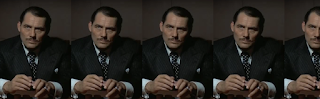
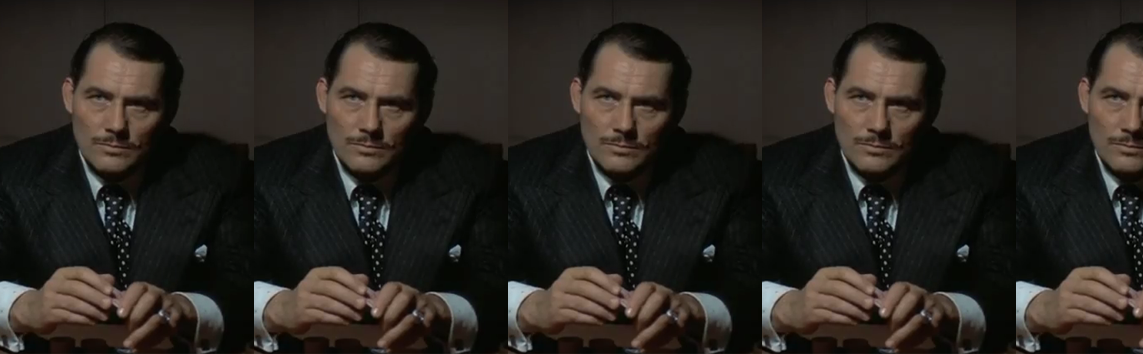
Yaphet Kotto did not receive an Oscar nomination for portraying Smokey James in Blue Collar.

The underrated Yaphet Kotto is always a welcome presence to any film that he shows up in. Unfortunately too often not the most well used performer throughout his career, and sadly just probably hit at the wrong time in terms of properly breaking out. Nonetheless here in Blue Collar, Kotto has a chance to shine, and doesn't waste it. Kotto playing one of the co-workers of the family men Zeke (Richard Pryor) and Jerry (Harvey Keitel), which his Smokey is not. As I mentioned in my review of Pryor, at the beginning of the film we get a real sense of the mutual plight but also the camaraderie between the men, even in the early scenes that play more towards a low key comedy. This in initially just portraying the frustration of the others. Kotto offering the mutual sense of sort low brow fun with them, though he offers a slightly different presence as a man with a bit more sketchy of a past. This is even though in the portrayal of initial frustrations, there is this slightly more stoic manner to Kotto, of perhaps someone with either a bit more wisdom, or at least acceptance towards their current situation. Kotto's work balances though the comic with the dramatic, as well as
known comic performer Pryor there. In fact Kotto has notable ease with
Pryor that is worth noting, particularly when the two debate the
attractiveness of a woman, and Kotto's comic timing is on par with
Pryor, as he speaks with no shame his disregard for Zeke's praises of
the woman. Kotto is endearing though as he describes an earlier incident of accidentally confronting a cop, where he balances the sense of humor of someone telling a good story. When Zeke mentions that Smokey also kills someone though, Kotto's change in manner in the moment is fantastic, and his easy, yet very textured way of saying "I never killed nobody". Kotto delivering an insistence almost not to be factored as a certain sort, however leaving an ambiguity within it suggesting in the quite the striking fashion the past of Smokey in just a few minutes of screentime.
Kotto's work is terrific in portraying someone who is in almost the same situation as the other guys, but there's a sense in his work of a slightly different perspective. This as even when the other men are more bluntly complaining about their existence, Kotto exudes an empathy to this, but also this blunt lack of surprise regarding it all. Kotto showing a man who has less in a way, but also has seen worse in a way. In this sense his urging then to steal from the corrupt union, it is with this glint in his eyes of a man just saying "why not". Kotto though is particularly great at finding a way in it by showing a man who is in the whole situation of it for the ride of it. This granting a sense of experience of the man with a shadier past, but also as someone with nothing to lose. Kotto accentuating this though as granting the man almost a certain insight that the others lack, or are afraid to speak. This when in their robbery they discovery evidence of corruption, Kotto depicts once again so well, by expressing a distinct lack of shock regarding the news. Kotto is amazing in the moment where he lays out the situation for the other two men directly. Kotto's philosophical speech about keeping people in their roles, is so artfully performed, as he brings such a real power, through how quietly actually he delivers it. This with just saying it as a man who is aware of it as just as a truth. With this declaration though Smokey suggests blackmail, to at least help themselves, and though low key his eyes deliver an incisive determination at essentially a little revenge. The plan though doesn't work however as the corrupt forces intend to do whatever it takes to rid themselves of the "leak" so to speak. This resulting in plans to basically peacefully convince Zeke and Jerry, but knowing Smokey has nothing to lose, plan more violent means for him. This is something that initially it appears Smokey is ready for. Kotto bringing a sort of confidence initially when two men come to try to take threaten him initially. Kotto offering frankly a badass cool about Smokey, as a man seemingly primed for the situation. This with Kotto making the most out of his few "leading" moments, as he watches the two men, Kotto just tells the sense of knowing, topped off with a little joy from a man who doesn't mind making a few thugs suffer a bit as he lures them into the trap. Kotto's great as he confronts the two men with a raw intensity, as we really see probably the man who might've murdered someone, although here used a good cause technically. Kotto though is a force in the scene as he shows a man purely in his element, though as he asks specially who sent them, he offers a proper glint of desperation of a man who also knows he might be in a corner. That desperation foreshadowing Kotto's final scene, where Smokey is locked in a paint room at their car factory purposefully to die. It's a horrifying scene, and Kotto is essential in this. This as his performance amplifies the terror of the situation, by showing the progressive sense of unease and downright fear, as the situation becomes more dire. Kotto delivering a raw visceral quality to it, as makes you feel the oxygen just slipping from him in each moment of it. Kotto creating a brutal end to his character, both in terms of the present moment, but seeing the life slowly slip from the man he makes so vivid to us. Although Kotto has the least screentime of the central trio, and is technically the supporting member, he never any less important in a larger part due to his performance. Kotto finding the right place with his work both as part of the group, but also in terms of memorably accentuating what sets him apart. This making it so even though we don't see him in final frame, the re-use of one of his lines leaves a remarkable impression because Kotto left such a remarkable impression as well.