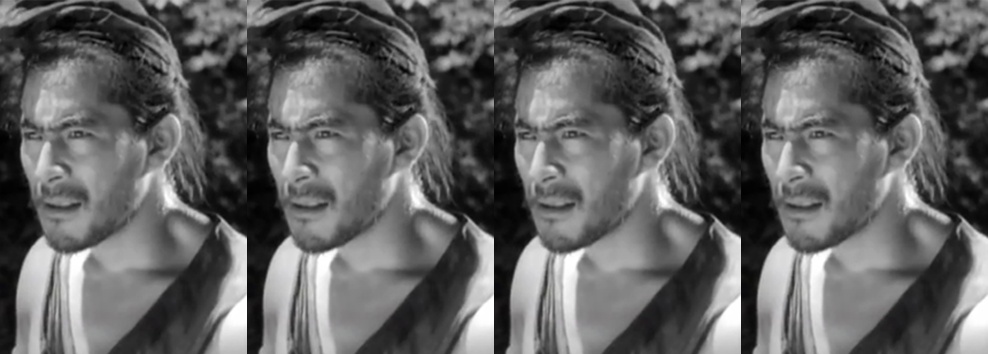
5. Marcel Iures in Hart's War - Iures gives a fine portrayal of the camp commandant, both the needed cold efficiency and some hints at humanity.
Best Scene: Giving the book.
4. Timothy Spall in All or Nothing - Spall gives a moving portrayal of a man in a constant state of depression that only sinks further.
Best Scene: Breakdown.
3. Brendan Fraser in The Quiet American - Fraser plays off his typical presence brilliantly by being both that and far more.
Best Scene: Final talk with Fowler.
2. Leandro Firmino in City of God - Firmino makes for a striking psychopathic murderer, though balances it with enough nuance in his realization of the character.
Best Scene: Benny's party.
1. Christopher Plummer in Nicholas Nickleby - Good prediction Calvin. Plummer excels with his Dickens villain here, making the most of the miser, but being surprisingly heartbreaking as well.
Best Scene: Revelation.
Updated Overall
Next: 1950 lead (throw in any supporting suggestions as well).
Showing posts with label Timothy Spall. Show all posts
Tuesday, 25 August 2020
Wednesday, 19 August 2020
Alternate Best Supporting Actor 2002: Timothy Spall in All or Nothing
Timothy Spall did not receive an Oscar nomination for portraying Phil in All or Nothing.
All or Nothing is more mid-tier Mike Leigh, in that while it doesn't feel aimless like the least of his efforts it doesn't quite find that cathartic rhythm of his best work, about 3 working class families that live in the same apartment complex.
Frequent Leigh collaborator Timothy Spall returns once again to play a technical patriarch as he had done in Secrets & Lies. This man though not exactly living his best life, but you know I'd feel the same way if James Corden was my son (okay that was a bit cruel but so was his performance in Cats). This as we find him in the first half of the film slogging through his life as a not particularly invigorated cab driver, who is the husband of the similarly downtrodden Penny (Lesley Manville) with two young adult children who live with them. Spall's performance in the early scenes of the film is a man in basically a depressive haze. Spall's quite powerful in fashioning just the way the man just is always looking almost like a beaten hound dog with his shrunken expression, and the way he always seems to look away from any conflict. This as we see as his wife attempts to speak to her son their son who is an overweight layabout, we Spall just staring with that same somberness. Later Phil does attempt to get his son to do anything and he speaks with just a meek sense of defeat even before one word comes out of his mouth. Spall realizing a man in Phil he basically has become stuck within this state, and has been brought down within it for a long time. This as even as he drives his cab it is with eyes of a man somewhat lost within those perpetual troubles that are sitting within his mind.
Spall most important moment in the first half of the film is when he has a conversation with an initially rude French costumer who berates him for his carelessness. Eventually the conversation turns towards a more positive note. Spall is wonderful in he is able to combine a dreariness with an affable quality. This as he has a sincerity in his still so modest way of speaking in the conversation though there is a positive spirit as the costumer seems to show a genuine interest. When pressed about his personal experience with his wife, and the love of their relationship though, Spall's voice falls further into that sorrow of the man. This to the point that after that Phil drives towards nothingness for awhile, this while his son suffers a non-fatal heart attack. Spall is exceptional in the scene of bringing such an honest reality to someone trying to escape his for a moment. This as we see Phil just go drive to the coast and away from it all. There Spall brings an unsentimental moment of a man trying and really failing to find happiness, and instead stuck still in that glare of depression. This coming to a head in the film's second half where Phil and his family take more closely center stage. This as his wife Penny derides him for trying to escape work seemingly and taking so long to react to his son's condition. Spall moment of finally breaking from internalized depression to it externalized is simply incredible. This as it isn't angry it is just a desperate statement of his depression in his anguish in every word as he speaks of his wife's treatment of him, but more so his fear that she no longer loves him. Spall in every moment, as he still looks away, and speaks still so modestly even when heightened, finds such a genuine vulnerability in every second of his speech. A speech that evokes basically a complete hopelessness. Penny though reacts though with tenderness towards Phil, where as much as the two performers so effectively portrayed that state of deterioration, that are as effective in the moment of just sincere warmth between them. This allowing for an earned final scene of the two visiting their son who is recovering. Both don't suddenly change the people entirely rather we just see just the same people with a hope and a happiness in the moment. Spall's little smile still isn't big, but all the sweeter in a way as it feels so authentic in the man he showed us throughout the rest of the film. This earning this change even with the transition as brief as it is. Spall's performance being again just a powerful modest work ideal for the approach of Mike Leigh.
Frequent Leigh collaborator Timothy Spall returns once again to play a technical patriarch as he had done in Secrets & Lies. This man though not exactly living his best life, but you know I'd feel the same way if James Corden was my son (okay that was a bit cruel but so was his performance in Cats). This as we find him in the first half of the film slogging through his life as a not particularly invigorated cab driver, who is the husband of the similarly downtrodden Penny (Lesley Manville) with two young adult children who live with them. Spall's performance in the early scenes of the film is a man in basically a depressive haze. Spall's quite powerful in fashioning just the way the man just is always looking almost like a beaten hound dog with his shrunken expression, and the way he always seems to look away from any conflict. This as we see as his wife attempts to speak to her son their son who is an overweight layabout, we Spall just staring with that same somberness. Later Phil does attempt to get his son to do anything and he speaks with just a meek sense of defeat even before one word comes out of his mouth. Spall realizing a man in Phil he basically has become stuck within this state, and has been brought down within it for a long time. This as even as he drives his cab it is with eyes of a man somewhat lost within those perpetual troubles that are sitting within his mind.
Spall most important moment in the first half of the film is when he has a conversation with an initially rude French costumer who berates him for his carelessness. Eventually the conversation turns towards a more positive note. Spall is wonderful in he is able to combine a dreariness with an affable quality. This as he has a sincerity in his still so modest way of speaking in the conversation though there is a positive spirit as the costumer seems to show a genuine interest. When pressed about his personal experience with his wife, and the love of their relationship though, Spall's voice falls further into that sorrow of the man. This to the point that after that Phil drives towards nothingness for awhile, this while his son suffers a non-fatal heart attack. Spall is exceptional in the scene of bringing such an honest reality to someone trying to escape his for a moment. This as we see Phil just go drive to the coast and away from it all. There Spall brings an unsentimental moment of a man trying and really failing to find happiness, and instead stuck still in that glare of depression. This coming to a head in the film's second half where Phil and his family take more closely center stage. This as his wife Penny derides him for trying to escape work seemingly and taking so long to react to his son's condition. Spall moment of finally breaking from internalized depression to it externalized is simply incredible. This as it isn't angry it is just a desperate statement of his depression in his anguish in every word as he speaks of his wife's treatment of him, but more so his fear that she no longer loves him. Spall in every moment, as he still looks away, and speaks still so modestly even when heightened, finds such a genuine vulnerability in every second of his speech. A speech that evokes basically a complete hopelessness. Penny though reacts though with tenderness towards Phil, where as much as the two performers so effectively portrayed that state of deterioration, that are as effective in the moment of just sincere warmth between them. This allowing for an earned final scene of the two visiting their son who is recovering. Both don't suddenly change the people entirely rather we just see just the same people with a hope and a happiness in the moment. Spall's little smile still isn't big, but all the sweeter in a way as it feels so authentic in the man he showed us throughout the rest of the film. This earning this change even with the transition as brief as it is. Spall's performance being again just a powerful modest work ideal for the approach of Mike Leigh.
Monday, 17 August 2020
Alternate Best Supporting Actor 2002
And the Nominees Were Not:
Christopher Plummer in Nicholas Nickleby
Leandro Firmino in City of God
Brendan Fraser in The Quiet American
Marcel Iures in Hart's War
Timothy Spall in All or Nothing
Christopher Plummer in Nicholas Nickleby
Leandro Firmino in City of God
Brendan Fraser in The Quiet American
Marcel Iures in Hart's War
Timothy Spall in All or Nothing
Monday, 27 July 2020
Alternate Best Actor 2002
Leslie Cheung in Inner Senses
Chiwetel Ejiofor in Dirty Pretty Things
Bill Paxton in Frailty
Hiroyuki Sanada in The Twilight Samurai
Sol Kyung-gu in Oasis
Predict Those Five, These Five Or Both:
Greg Kinnear in Auto Focus
Olivier Gourmet in The Son
Philip Seymour Hoffman in Love Liza
David Gulpilil in The Tracker
Timothy Spall in All or Nothing
Tuesday, 24 March 2020
Alternate Best Actor 1996: Results
5. Christopher Eccleston in Jude - I decided against a full review, and tried as a I might I couldn't quite find an obvious alternative, other than James Woods, but...I still didn't want to watch that film again. Eccleston to his part gives a fine performance here. It isn't anything too notable overall, as this sort wistful poetic type stuck, in his view, in a more provincial life. Eccleston gives a fine portrayal of sort of the romantic needs of the character, and his low key anguish regarding his inability to seemingly find quit the right life for himself. It doesn't amount to anything truly remarkable by any measure. His chemistry with Kate Winslet as the similarly minded woman is more than fine, though not especially notable. He is in fact a bit more interesting in his sort of anti-chemistry with Rachel Griffiths, as the woman he finds himself with, but is hardly of his dreams. Eccleston carries the film, and the character, well, but it doesn't leave too much of an impression in the end.
Best Scene: Finding what his son has done.
4. Phillippe Torreton in Captain Conan - Torreton gives a terrific performance in portraying a man who fashions himself as a true warrior, doing whatever it takes to win the battle and his carry his troops through even rather questionable circumstances.
Best Scene: Ending.
3. Timothy Spall in Secrets & Lies - Spall gives a great performance here in capturing such an honesty and powerful depiction of a strictly good person.
Best Scene: Final speech. 2. Jeffrey Wright in Basquiat - Wright gives a fascinating portrayal of an artist with a striking perspective however one that leaves him lost within the world.
Best Scene: Leaving the world. 1. Max von Sydow in Hamsun - Good predictions Shaggy, Michael McCarthy and Luke. The legendary Max von Sydow delivers one of his best performance in capturing such a unique and remarkable portraits of a "great man" living beyond his time while struggling with a deafness towards the world, even beyond his physical limitations.
Best Scene: The trial.
Updated Overall
Next: 1996 Supporting
Best Scene: Finding what his son has done.
4. Phillippe Torreton in Captain Conan - Torreton gives a terrific performance in portraying a man who fashions himself as a true warrior, doing whatever it takes to win the battle and his carry his troops through even rather questionable circumstances.
Best Scene: Ending.
3. Timothy Spall in Secrets & Lies - Spall gives a great performance here in capturing such an honesty and powerful depiction of a strictly good person.
Best Scene: Final speech. 2. Jeffrey Wright in Basquiat - Wright gives a fascinating portrayal of an artist with a striking perspective however one that leaves him lost within the world.
Best Scene: Leaving the world. 1. Max von Sydow in Hamsun - Good predictions Shaggy, Michael McCarthy and Luke. The legendary Max von Sydow delivers one of his best performance in capturing such a unique and remarkable portraits of a "great man" living beyond his time while struggling with a deafness towards the world, even beyond his physical limitations.
Best Scene: The trial.
Updated Overall
Next: 1996 Supporting
Thursday, 19 March 2020
Alternate Best Actor 1996: Timothy Spall in Secrets & Lies
Timothy Spall did not receive an Oscar nomination, despite receiving a BAFTA nomination, for portraying Maurice "Morris" Purley in Secrets & Lies.
Secrets & Lies is showcase on how to do a drama of its type, as it so carefully maneuvers around the melodramatic or patronizing pitfalls within the genre, to craft something quite special in its story of a woman, Hortense, (Marianne Jean-Baptiste) attempting to connect with her biological mother, which is not at all a simple prospect.
Well finally we have arrived to Timothy Spall, who I've yet to come across in this endeavor, despite being such a memorable performer, in many notable films. Thankfully I can rectify that oversight here. Timothy Spall plays the brother of the mother, Cynthia, (Brenda Blethyn) of the woman, whose story is in a way adjacent to the main thrust of the drama, however he is essential to the film. This as we are introduced him seemingly as almost the yin to the yang ov his downtrodden sister, as Spall's Maurice we find at first as a successful photographer. We see him at his craft and I suppose in a way we are allowed to see the unique power of Spall, as these scenes seemingly should be perfunctory, however they are remarkable, with Spall being essential in this. This as he brings his unique presence here, that is more subdued than he sometimes is, as he is here portraying Morris strictly as a real person, who knows his trade. Spall in every one of the photography scenes, even when we so often just hear his voice attempting to get a smile or a movement out of his subjects, is oddly electric. Spall captures this curious charisma in these moments in that his voice inspires a comfort, in the strict compassion in his timbre, even as he is conducting his subjects in a way, it is with this gentleness, but also wry quality Spall finds. He delivers this wonderful quality in Morris's manner as something so genuine in the way he speaks to his subjects as just this gentle friend, trying to get the best out of them.
While Spall carries Morris with just a gentle honest bright smile at his work, we follow the man to his home life, where Spall still defines the man through his compassion however with a striking nuance. This as we see Morris interact with his wife who suffers from chronic pain. There is a difference in Spall's work in these moments in that we do see a great effect on his own self, as the degree of somberness in his work is found. Spall is remarkable in the way though he is able to show it as something that affects him, but doesn't ruin him. Spall rather in this is able to convey the empathy in these reactions towards his wife in this instance, even as some of her frustrations are quite intense. Spall though emphasizes his concern though in every gentle word, and even as his eyes gathers a sadness, it is for his wife rather than himself. We find the very same in the first scene we see him interact with his sister. This is prefaced in the moments where he remarks on Cynthia around his wife, who is somewhat hostile towards her. Spall though, even as he speaks on Cynthia's troubles, is with this quiet love. This even when speaking that a child picture was one of the last time she smiled, Spall words are spoken with a soulfulness who regrets the suffering she's had to undergo. The same we see when interacting with her directly, where Spall brings a modesty of concern, as his eyes look to offer support to his sister, quietly yet so assuredly, as Spall's work is so authentically caring.
It is often the mistaken view that a character must be deeply flawed to give an actor something to do, though while that is indeed mistaken, I think actually playing a purely good character is in itself a challenge. This as the performer must both avoid being dull within this goodness, but more importantly must be authentic and real within this nature. Spall gives a masterclass here on how to portray a good-natured person. This as he's anything but dull, because of how genuinely he brings to life Morris's empathetic manner. This is as we even see him speak on his mother, and reflect on his distant father through the lens of understanding that distance. Spall makes this so convincing though in his eyes portraying a man perceiving a proper self-analysis with a concept for the way of natural human behavior. Spall is pure, but not angelic. He's a man, but such a good man that he makes this powerful truth. This is especially well shown in a scene where the former owner of his photography shop stops by, clearly destitute and bitter. Spall is magnificent in this scene as he draws only sympathies as he speaks to the man, this bringing a gracious quality of a host, but pulls back from being a fool. This as when the man accuses Morris of ingratitude and taking his success in a way, Spall is perfection by not breaking a facade, but showing the same good man even when handling hostility. This as Spall's delivery is firm, not-sadistic, but also confident. Spall shows a man clearly putting his foot down when he is right, but doing everything in his power to help ease the situation. His face in particularly finding such a notable sense of patience of Morris, which even in bad moments holds firm.
Spall's work I think is essential to the film's greatness in that he offers a contrast to the more melancholic moments involving Blethyn's Cynthia particularly in the early scenes. He's not just a bright spot, but also to ensure a variety within the idea of the life of the family, rather than hammering in the misery with no respite like in the domestic dramas of Ken Loach for example. The film culminates as Cynthia and her two daughters, one not knowing the other, to Morris's home for a barbecue. This where we see Spall as the gracious home, which expectedly, Morris/Spall make for a low key charming host, as he speaks to anyone the interest is with an absolute genuine interest. This though with his eyes capturing a concern though still wondering the slight tensions he notices in his sister. Spall so earnestly portraying the way he's tuned into his sister, noticing something off, but just with a calm worry. This is as much as Morris remains calm, Cynthia does quite the opposite in revealing the secret of who her mystery guest is, as her daughter to all those gathered there, in basically the worst possible way. This leading her younger daughter, as high strung as Cynthia, to breakdown. I love Spall in this sequence as he reflects how torn up Morris is about it, even though it is hardly his fault, but rather in his eyes that show the heartbreak for his family's suffering. This as even as the rest of the family continue the conflict, Spall is fantastic in offering the steadfast nature of Morris as he takes in the pain of the situation. This is until he gives a final speech of the film, which other than speaking the titular line which feels slightly distracting, is just an outstanding scene. This is so well earned, and performed by Spall. This as he does deliver an explosion as Morris finally just speaks everything in the open to clear it up, and his anguished delivery offers a man not upset over the pain, but rather upset over the suffering caused his family not taking the moment to simply listen to one another. It is so beautifully cathartic as Spall unleashes this moment so authentically as Morris's nature in a way having enough, but trying to get everyone else to see things as he tries so hard to do. Although the film was much lauded, Spall missed out on recognition other than his hometown of the BAFTAs, which is not surprising given the quiet nature of the role. That is unfortunate though, as this is a great performance by Spall, as he creates such poignant and believable portrait of goodness, that isn't as some intangible saint, but just as a down to earth good man.
Secrets & Lies is showcase on how to do a drama of its type, as it so carefully maneuvers around the melodramatic or patronizing pitfalls within the genre, to craft something quite special in its story of a woman, Hortense, (Marianne Jean-Baptiste) attempting to connect with her biological mother, which is not at all a simple prospect.
Well finally we have arrived to Timothy Spall, who I've yet to come across in this endeavor, despite being such a memorable performer, in many notable films. Thankfully I can rectify that oversight here. Timothy Spall plays the brother of the mother, Cynthia, (Brenda Blethyn) of the woman, whose story is in a way adjacent to the main thrust of the drama, however he is essential to the film. This as we are introduced him seemingly as almost the yin to the yang ov his downtrodden sister, as Spall's Maurice we find at first as a successful photographer. We see him at his craft and I suppose in a way we are allowed to see the unique power of Spall, as these scenes seemingly should be perfunctory, however they are remarkable, with Spall being essential in this. This as he brings his unique presence here, that is more subdued than he sometimes is, as he is here portraying Morris strictly as a real person, who knows his trade. Spall in every one of the photography scenes, even when we so often just hear his voice attempting to get a smile or a movement out of his subjects, is oddly electric. Spall captures this curious charisma in these moments in that his voice inspires a comfort, in the strict compassion in his timbre, even as he is conducting his subjects in a way, it is with this gentleness, but also wry quality Spall finds. He delivers this wonderful quality in Morris's manner as something so genuine in the way he speaks to his subjects as just this gentle friend, trying to get the best out of them.
While Spall carries Morris with just a gentle honest bright smile at his work, we follow the man to his home life, where Spall still defines the man through his compassion however with a striking nuance. This as we see Morris interact with his wife who suffers from chronic pain. There is a difference in Spall's work in these moments in that we do see a great effect on his own self, as the degree of somberness in his work is found. Spall is remarkable in the way though he is able to show it as something that affects him, but doesn't ruin him. Spall rather in this is able to convey the empathy in these reactions towards his wife in this instance, even as some of her frustrations are quite intense. Spall though emphasizes his concern though in every gentle word, and even as his eyes gathers a sadness, it is for his wife rather than himself. We find the very same in the first scene we see him interact with his sister. This is prefaced in the moments where he remarks on Cynthia around his wife, who is somewhat hostile towards her. Spall though, even as he speaks on Cynthia's troubles, is with this quiet love. This even when speaking that a child picture was one of the last time she smiled, Spall words are spoken with a soulfulness who regrets the suffering she's had to undergo. The same we see when interacting with her directly, where Spall brings a modesty of concern, as his eyes look to offer support to his sister, quietly yet so assuredly, as Spall's work is so authentically caring.
It is often the mistaken view that a character must be deeply flawed to give an actor something to do, though while that is indeed mistaken, I think actually playing a purely good character is in itself a challenge. This as the performer must both avoid being dull within this goodness, but more importantly must be authentic and real within this nature. Spall gives a masterclass here on how to portray a good-natured person. This as he's anything but dull, because of how genuinely he brings to life Morris's empathetic manner. This is as we even see him speak on his mother, and reflect on his distant father through the lens of understanding that distance. Spall makes this so convincing though in his eyes portraying a man perceiving a proper self-analysis with a concept for the way of natural human behavior. Spall is pure, but not angelic. He's a man, but such a good man that he makes this powerful truth. This is especially well shown in a scene where the former owner of his photography shop stops by, clearly destitute and bitter. Spall is magnificent in this scene as he draws only sympathies as he speaks to the man, this bringing a gracious quality of a host, but pulls back from being a fool. This as when the man accuses Morris of ingratitude and taking his success in a way, Spall is perfection by not breaking a facade, but showing the same good man even when handling hostility. This as Spall's delivery is firm, not-sadistic, but also confident. Spall shows a man clearly putting his foot down when he is right, but doing everything in his power to help ease the situation. His face in particularly finding such a notable sense of patience of Morris, which even in bad moments holds firm.
Spall's work I think is essential to the film's greatness in that he offers a contrast to the more melancholic moments involving Blethyn's Cynthia particularly in the early scenes. He's not just a bright spot, but also to ensure a variety within the idea of the life of the family, rather than hammering in the misery with no respite like in the domestic dramas of Ken Loach for example. The film culminates as Cynthia and her two daughters, one not knowing the other, to Morris's home for a barbecue. This where we see Spall as the gracious home, which expectedly, Morris/Spall make for a low key charming host, as he speaks to anyone the interest is with an absolute genuine interest. This though with his eyes capturing a concern though still wondering the slight tensions he notices in his sister. Spall so earnestly portraying the way he's tuned into his sister, noticing something off, but just with a calm worry. This is as much as Morris remains calm, Cynthia does quite the opposite in revealing the secret of who her mystery guest is, as her daughter to all those gathered there, in basically the worst possible way. This leading her younger daughter, as high strung as Cynthia, to breakdown. I love Spall in this sequence as he reflects how torn up Morris is about it, even though it is hardly his fault, but rather in his eyes that show the heartbreak for his family's suffering. This as even as the rest of the family continue the conflict, Spall is fantastic in offering the steadfast nature of Morris as he takes in the pain of the situation. This is until he gives a final speech of the film, which other than speaking the titular line which feels slightly distracting, is just an outstanding scene. This is so well earned, and performed by Spall. This as he does deliver an explosion as Morris finally just speaks everything in the open to clear it up, and his anguished delivery offers a man not upset over the pain, but rather upset over the suffering caused his family not taking the moment to simply listen to one another. It is so beautifully cathartic as Spall unleashes this moment so authentically as Morris's nature in a way having enough, but trying to get everyone else to see things as he tries so hard to do. Although the film was much lauded, Spall missed out on recognition other than his hometown of the BAFTAs, which is not surprising given the quiet nature of the role. That is unfortunate though, as this is a great performance by Spall, as he creates such poignant and believable portrait of goodness, that isn't as some intangible saint, but just as a down to earth good man.
Monday, 9 March 2020
Alternate Best Actor 1996
And the Nominees Were Not:
Philippe Torreton in Captain Conan
Jeffrey Wright in Basquait
Max von Sydow in Hamsun
Timothy Spall in Secrets & Lies
Christopher Eccleston in Jude
Philippe Torreton in Captain Conan
Jeffrey Wright in Basquait
Max von Sydow in Hamsun
Timothy Spall in Secrets & Lies
Christopher Eccleston in Jude
Subscribe to:
Posts (Atom)