10. Ethan Hawke in Predestination - Although Hawke ends up being crushed by the machine of his film, he still gives a largely compelling portrayal of grounding mind bending time travel.
Best Scene: Outlining the truth.
9. Jesse Eisenberg in The Double - Eisenberg is less effective as the "confident man", though not bad, but is engaging in presenting his nebbish protagonist dealing with particularly odd circumstances.
Best Scene: Cyrano date
8. Shahid Kapoor in Haider - Although almost static, though sensibly so, in the first half of his performance, Kapoor in the second half unleashes a brilliant atypical take on Hamlet.
Best Scene: Song number
7. Dan Stevens in The Guest - Although his film is lesser than, Stevens is a delight and absolutely captivating as a killer who seems strangely invested in a family.
Best Scene: Bully takedown.
6. Jeremy Renner in Kill the Messenger - Renner gives a powerful portrayal of a man whose convictions slowly destroy him.
Best Scene: Final speech.
5. Tom Cruise in Edge of Tomorrow - Cruise plays with his star persona by brilliantly subverting it in a multitude of ways, but also by living up to it as a natural progression of his character.
Best Scene: You don't make it any further
4. Oscar Isaac in A Most Violent Year - Isaac gives a brilliant portrayal of an atypical character in presenting a man quietly attempting to maintain his morality while also attempting to maintain power as a boss in a cutthroat business.
Best Scene: Confronting the thief.
3. Channing Tatum in Foxcatcher - Tatum shatters any expectations on him through his powerful and intense portrayal of a man who has great potential but only can follow.
Best Scene: Breakdown.
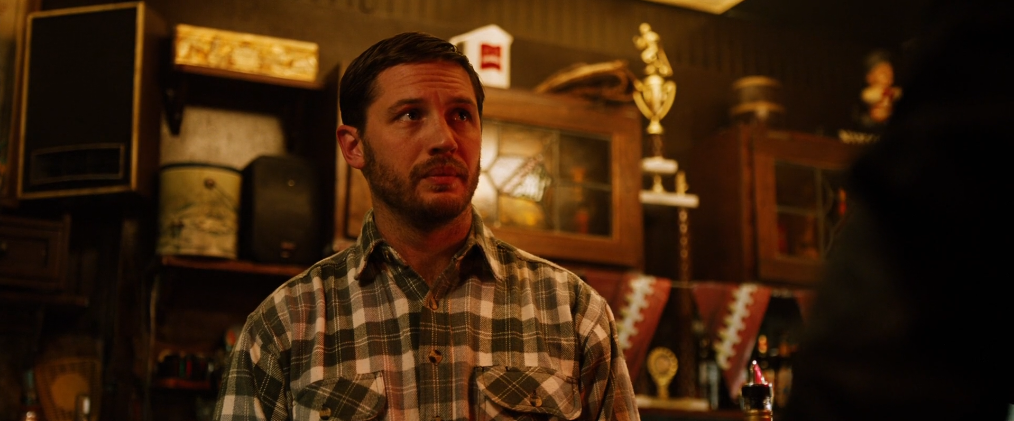
2. Tom Hardy in The Drop - Tom Hardy gives one of his best performances in a brilliant high wire act that pays off as you're watching, but even more so with the revelation that gives you a greater sense for the overall accomplishment of his performance.
Best Scene: "You embarrass me"
1. David Gulpilil in Charlie's Country - Good predictions Luke, RatedRStar, Michael McCarthy, Anonymous, Aidan Pittman, Omar, and Mitchell. Gulpilil gives a portrait of just sheer honesty that reflects such a purely genuine person yet endearing in the unique qualities and life within this naturalism.
Best Scene: Seeing his dead friend.
Updated Overall
Next: 2014 Supporting
Showing posts with label 2014 Alternate Best Actor. Show all posts
Friday, 19 June 2020
Alternate Best Actor 2014: Shahid Kapoor in Haider
Shahid Kapoor did not receive an Oscar nomination for portraying the titular character in Haider.
Haider is a largely effective re-telling of Hamlet, in some ways closer to The Bad Sleep Well in its first half, in it is loosely adapted, taking elements of the text to craft a more unique narrative, though the second half hews closer to the original text.
This "version" of Hamlet takes place instead in India in a time of political strife. This version does not begin with the death of Haider's, this version's Hamlet, father, rather we see his political imprisonment. His father not being a king though rather a doctor, though we still see the immediacy in which Haider's mother (Tabu) is finding comfort with her husband's brother Khurram Meer (Kay Kay Menon). Although the first half of the film is technically about Haider his role is somewhat limited as it is more focused in setting the political and personal tensions around him. Kapoor's performance is limited as a young man coming back from college to find his father. His performance evoking, effectively, a more generalized smolder through an intense glare fitting a man with only one thing on his mind. Kapoor shows a man who only cares about what happened to his father and nothing else. He creates that sense of the singular mindset and is effective in this even if the note is purposefully limited here. This only changes when a mysterious stranger comes into town Roohdaar (Irrfan Khan). The man being "the ghost" in this version, though alive as a haunted political prisoner who by chance survived when he and Haider's father were taken out for execution. The man giving Haider the knowledge he needs to break his sort of state of inaction. This reflected well within Kapoor's portrayal that senses the immediate grief in his expression but also the anger within it as he learns that his uncle was involved with his father's fate.
Kapoor makes an extreme, fitting, shift as we now enter into really the game of Hamlet, in this version with the interpretation that he is purposefully acting insane. We get this with the shaven head of Kapoor immediately after the revelation in a mad rant. Although less the traditional form and done here more as a performance art piece. I have no hesitation though to say that is brilliantly performed by Kapoor though as he throws himself into this curious rant. A rant that is so artfully done again as his whole manner is that of a slight dance, and is just so effectively done as both this act of seeming madness while also being so incisively potent as an attack on the situation he is living in. This scene only best within Kapoor's work as instead of the traditional "play within a play" we instead get a song and dance number pointed towards his uncle's guilt. Although I often hold reservations towards the Bollywood musical numbers which often lead films to a standstill, here it not only is intertwined within the story it creates a natural progression within it by it being within story. Kapoor is amazing in this sequence as he delivers on the song as he should in terms of just being captivating within the performance however he goes so much further than that. This as the intensity of the notion and the projection of the anger of the scene is portrayed so effectively by Kapoor. This as he wholly embodies within the performance the striking emotion with Haider as he doesn't just sing the song but rather makes it this full accusation towards his uncle within the song.
This is a case of the act of insanity though as we do otherwise then have scenes between Haider and the Ophelia equivalent Arshia (Shraddha Kapoor). These are very much traditionally romantic moments where the Kapoor's, neither related or married, do have a strong chemistry with one another. These moments are brief however Kapoor uses them well to suggest the young man we saw at the beginning of the film, and the chance for normalcy if he chose it. Of course knowing the play things don't turn out that way, though here with less cloak and dagger, and more machine guns/explosions. This leading to the climax to be a bit more abrupt and direct to say the least. For example instead of Rosencrantz and Guildenstern trying to have him covertly executed, they instead killed with rocks instead by Haider. I'll say though Kapoor is terrific though in becoming really the spirit of vengeance in these later moments. Finding really a balance between the false insanity we saw earlier and the single focused man who arrived home. Kapoor finding this sort of vicious determination as he goes about killing or trying to kill the traitors within his midst. Kapoor bringing sort of the right undercurrent of emotional desperation within the task, particularly in the moments of accusing his mother. Kapoor exuding in it the pain of the act flawlessly while also conveying the sort of thrill of being able to release his pent up anger. The climax actually doesn't leave too much time for reflection however I'll grant that Kapoor uses the time he does have effectively. This particularly in his final moment, which goes a bit differently, Kapoor silently expresses the conflict of the moment between revenge and clemency. Although the focus of this Hamlet is rather different, Kapoor delivers on giving a captivating, off-beat and powerful version of the oft played character.
Haider is a largely effective re-telling of Hamlet, in some ways closer to The Bad Sleep Well in its first half, in it is loosely adapted, taking elements of the text to craft a more unique narrative, though the second half hews closer to the original text.
This "version" of Hamlet takes place instead in India in a time of political strife. This version does not begin with the death of Haider's, this version's Hamlet, father, rather we see his political imprisonment. His father not being a king though rather a doctor, though we still see the immediacy in which Haider's mother (Tabu) is finding comfort with her husband's brother Khurram Meer (Kay Kay Menon). Although the first half of the film is technically about Haider his role is somewhat limited as it is more focused in setting the political and personal tensions around him. Kapoor's performance is limited as a young man coming back from college to find his father. His performance evoking, effectively, a more generalized smolder through an intense glare fitting a man with only one thing on his mind. Kapoor shows a man who only cares about what happened to his father and nothing else. He creates that sense of the singular mindset and is effective in this even if the note is purposefully limited here. This only changes when a mysterious stranger comes into town Roohdaar (Irrfan Khan). The man being "the ghost" in this version, though alive as a haunted political prisoner who by chance survived when he and Haider's father were taken out for execution. The man giving Haider the knowledge he needs to break his sort of state of inaction. This reflected well within Kapoor's portrayal that senses the immediate grief in his expression but also the anger within it as he learns that his uncle was involved with his father's fate.
Kapoor makes an extreme, fitting, shift as we now enter into really the game of Hamlet, in this version with the interpretation that he is purposefully acting insane. We get this with the shaven head of Kapoor immediately after the revelation in a mad rant. Although less the traditional form and done here more as a performance art piece. I have no hesitation though to say that is brilliantly performed by Kapoor though as he throws himself into this curious rant. A rant that is so artfully done again as his whole manner is that of a slight dance, and is just so effectively done as both this act of seeming madness while also being so incisively potent as an attack on the situation he is living in. This scene only best within Kapoor's work as instead of the traditional "play within a play" we instead get a song and dance number pointed towards his uncle's guilt. Although I often hold reservations towards the Bollywood musical numbers which often lead films to a standstill, here it not only is intertwined within the story it creates a natural progression within it by it being within story. Kapoor is amazing in this sequence as he delivers on the song as he should in terms of just being captivating within the performance however he goes so much further than that. This as the intensity of the notion and the projection of the anger of the scene is portrayed so effectively by Kapoor. This as he wholly embodies within the performance the striking emotion with Haider as he doesn't just sing the song but rather makes it this full accusation towards his uncle within the song.
This is a case of the act of insanity though as we do otherwise then have scenes between Haider and the Ophelia equivalent Arshia (Shraddha Kapoor). These are very much traditionally romantic moments where the Kapoor's, neither related or married, do have a strong chemistry with one another. These moments are brief however Kapoor uses them well to suggest the young man we saw at the beginning of the film, and the chance for normalcy if he chose it. Of course knowing the play things don't turn out that way, though here with less cloak and dagger, and more machine guns/explosions. This leading to the climax to be a bit more abrupt and direct to say the least. For example instead of Rosencrantz and Guildenstern trying to have him covertly executed, they instead killed with rocks instead by Haider. I'll say though Kapoor is terrific though in becoming really the spirit of vengeance in these later moments. Finding really a balance between the false insanity we saw earlier and the single focused man who arrived home. Kapoor finding this sort of vicious determination as he goes about killing or trying to kill the traitors within his midst. Kapoor bringing sort of the right undercurrent of emotional desperation within the task, particularly in the moments of accusing his mother. Kapoor exuding in it the pain of the act flawlessly while also conveying the sort of thrill of being able to release his pent up anger. The climax actually doesn't leave too much time for reflection however I'll grant that Kapoor uses the time he does have effectively. This particularly in his final moment, which goes a bit differently, Kapoor silently expresses the conflict of the moment between revenge and clemency. Although the focus of this Hamlet is rather different, Kapoor delivers on giving a captivating, off-beat and powerful version of the oft played character.
Tuesday, 16 June 2020
Alternate Best Actor 2014: David Gulpilil in Charlie's Country
David Gulpilil did not receive an Oscar nomination for portraying the titular character in Charlie's Country.
Charlie's Country is an effective character study following an aborigine man trying live life his way in Australia.
This is perhaps one of the more interesting progression of reviews as the last time I covered Gulpilil was for his work when he was a teenager in Walkabout. Here though we make a great leap forward to a much older Gulpilil as Charlie. Gulpilil's performance here is one of those performances that could only be given by the man performing it, not only due to his obvious heritage, but far more in what he brings to the role. This being this strictest honesty in finding his character, in a way that bars you from even second guessing a suggestion of it. From the first frame Gulpilil simply is Charlie and anything he does or acts is a given. There is neither a false or performed note in his performance. Of course this isn't to say that this is just a naturalistic turn, even if it is that, but the character of Charlie is actually quite idiosyncratic, and part of what makes it so wonderful is how Gulpilil finds this so truthfully. This in his weathered face is a man who has lived a life of a different kind of hardship and just is trying to plug along as he can initially. Gulpilil's work though doesn't fall upon easy martyrdom, in fact what I love is how much life and spirit he brings to the part rather than being a potential one note of somberness. This as even as we see the often dismal state of his existence Gulpilil does not portray it as this simple state of being downtrodden.
There's a real charm that Gulpilil brings to this performance that is just delightful. This in the manner of the man as he interacts with his fellow people, and even initially in his interactions with local badgering police force. The eccentricity that Gulpilil is something quite unique in that he manages to craft it in that same honesty as the rest of his work. This in this slight bit of kookiness, for the lack of a better word, as sort of the man attempting to maintain a bit of wildness within a world that demands a particular kind civilization from him. The sort of wily manner Gulpilil has this glint of mischievousness but also something almost inspirational within it. This as we see the man going about hunting with one of his friends, it is with an eagerness and daring. This in the moment Gulpilil showing in such an endearing manner a man living his best life at least for a moment. This even as the police initially crush these endeavors Gulpilil creates such an earned sense of frustration given how joyous the act he shows, and how natural it is to his very person. In this work I love the way Gulpilil embodies this state of empathy though within the character as we see Charlie interact with the other downtrodden. Although he doesn't speak on it a lot at first, there is such a powerful sense in his eyes and his reactions how he truly takes in this plight. Again it is with this piousness but rather this genuine sense of man being so connected within, fittingly, his country.
Gulpilil's performance is one here that manages to achieve that particular sort of success of being compelling within himself. In that just to watch him here becomes rather fascinating by so inherently authentic his work is. This is as we just see him creating a spear for himself to hunt, after the police take away his gun, the act of it being made is something special through Gulpilil;s nuanced performance that shows the certain dedication in the act, along with the curious yet always endearing eccentricity within it. This can be seen in every act of Gulpilil throughout the film. Gulpilil's work emphasizing very much how Charlie very much lives through attempting to just be as really would've his traditional calling at one time with always this sense of pride within these activities. Again though this even I think could box in the work here as that is not the case with Gulpilil as he doesn't become just a symbol of this type of man. This is as he in equal measure brings such natural humor to his performance as well. Whether this be in his interactions with a couple of local drug dealers, or acting as a "tracker" for the police to get those dealers, Gulpilil has these delightful blithe moments, most often in his English, delivery where we grants this sense of intelligence within his brief, seemingly, simple responses to men. Gulpilil's work always emphasizing all the more the thorough amount of life in his performance. This being essential in that he shows within the world that is often downtrodden there is the sense of the natural urge just to be allowed to live in the bush, in a way that wouldn't cause anyone harm.
The police become insistent as they even confiscate his spear and kick him out of the wilderness. I love initially how Gulpilil doesn't play it as bitter right way rather this sense of disappointment and befuddlement that they would get in the way of his harmless way of life. Gulpilil's work showing the way the actions essentially are getting in the way of the natural existence of the man. When placed within the city Gulpilil with the same naturalism slowly shows a change in manner though with that same striking empathy. This first being when he discovers one of his friends dead in the hospital. Gulpilil's reaction is downright heartbreaking as he handles the most so subtle, it isn't a big cry, but rather this so intensely somber of sense of near confusion at the seeming unfeeling around the death. Gulpilil's performance then is one of this painful degradation as it seems there's something to get in the way of him living his life at every point. The point of finally lashing out has such an impact as Gulpilil is this instinctual pent up reaction. It isn't exacted with an obvious hate but rather within the moment it is filled with a potent exasperation at the treatment. This leading Charlie though to be sent to prison, where the transformation of the man is wholly within Gulpilil's performance. This in that just in his eyes he grants the needed sense of examination of the existence, before he is allowed to leave again. This with a brilliant scene Gulpilil as he meets with a parole officer. Gulpilil bringing so much charm in his honest yet also cutting responses regarding the difficulty of not associating with known drinkers particularly among cops. Gulpilil managing to be so genuinely funny while doing it in this way that just is again who Charlie is. After getting out of prison rather than trying to push the strange limits against him we instead see Charlie teaching aboriginal about his past as a dancer on a world stage in front of Queen Elizabeth. Gulpilil is amazing in this scene as he delivers that undercurrent that was always there of that pride of the man, but now here in full view. This in his work capturing such poignancy by portraying so earnestly the man's sense of love for the accomplishment but even more so the sense of that care to deliver this pride to the children. The scene being essentially Charlie fully being himself without being stopped by anyone and in that act there is something magical within Gulpilil's work. The scene exemplifying his work so beautifully. This as Gulpilil's work achieves greatness through a quiet but oh so powerful portrayal of just a portrait of an idiosyncratic man in which there is not a single false moment. This being a work were you feel as though you've just spent time with him on his journey, and were happy to do so.
Charlie's Country is an effective character study following an aborigine man trying live life his way in Australia.
This is perhaps one of the more interesting progression of reviews as the last time I covered Gulpilil was for his work when he was a teenager in Walkabout. Here though we make a great leap forward to a much older Gulpilil as Charlie. Gulpilil's performance here is one of those performances that could only be given by the man performing it, not only due to his obvious heritage, but far more in what he brings to the role. This being this strictest honesty in finding his character, in a way that bars you from even second guessing a suggestion of it. From the first frame Gulpilil simply is Charlie and anything he does or acts is a given. There is neither a false or performed note in his performance. Of course this isn't to say that this is just a naturalistic turn, even if it is that, but the character of Charlie is actually quite idiosyncratic, and part of what makes it so wonderful is how Gulpilil finds this so truthfully. This in his weathered face is a man who has lived a life of a different kind of hardship and just is trying to plug along as he can initially. Gulpilil's work though doesn't fall upon easy martyrdom, in fact what I love is how much life and spirit he brings to the part rather than being a potential one note of somberness. This as even as we see the often dismal state of his existence Gulpilil does not portray it as this simple state of being downtrodden.
There's a real charm that Gulpilil brings to this performance that is just delightful. This in the manner of the man as he interacts with his fellow people, and even initially in his interactions with local badgering police force. The eccentricity that Gulpilil is something quite unique in that he manages to craft it in that same honesty as the rest of his work. This in this slight bit of kookiness, for the lack of a better word, as sort of the man attempting to maintain a bit of wildness within a world that demands a particular kind civilization from him. The sort of wily manner Gulpilil has this glint of mischievousness but also something almost inspirational within it. This as we see the man going about hunting with one of his friends, it is with an eagerness and daring. This in the moment Gulpilil showing in such an endearing manner a man living his best life at least for a moment. This even as the police initially crush these endeavors Gulpilil creates such an earned sense of frustration given how joyous the act he shows, and how natural it is to his very person. In this work I love the way Gulpilil embodies this state of empathy though within the character as we see Charlie interact with the other downtrodden. Although he doesn't speak on it a lot at first, there is such a powerful sense in his eyes and his reactions how he truly takes in this plight. Again it is with this piousness but rather this genuine sense of man being so connected within, fittingly, his country.
Gulpilil's performance is one here that manages to achieve that particular sort of success of being compelling within himself. In that just to watch him here becomes rather fascinating by so inherently authentic his work is. This is as we just see him creating a spear for himself to hunt, after the police take away his gun, the act of it being made is something special through Gulpilil;s nuanced performance that shows the certain dedication in the act, along with the curious yet always endearing eccentricity within it. This can be seen in every act of Gulpilil throughout the film. Gulpilil's work emphasizing very much how Charlie very much lives through attempting to just be as really would've his traditional calling at one time with always this sense of pride within these activities. Again though this even I think could box in the work here as that is not the case with Gulpilil as he doesn't become just a symbol of this type of man. This is as he in equal measure brings such natural humor to his performance as well. Whether this be in his interactions with a couple of local drug dealers, or acting as a "tracker" for the police to get those dealers, Gulpilil has these delightful blithe moments, most often in his English, delivery where we grants this sense of intelligence within his brief, seemingly, simple responses to men. Gulpilil's work always emphasizing all the more the thorough amount of life in his performance. This being essential in that he shows within the world that is often downtrodden there is the sense of the natural urge just to be allowed to live in the bush, in a way that wouldn't cause anyone harm.
The police become insistent as they even confiscate his spear and kick him out of the wilderness. I love initially how Gulpilil doesn't play it as bitter right way rather this sense of disappointment and befuddlement that they would get in the way of his harmless way of life. Gulpilil's work showing the way the actions essentially are getting in the way of the natural existence of the man. When placed within the city Gulpilil with the same naturalism slowly shows a change in manner though with that same striking empathy. This first being when he discovers one of his friends dead in the hospital. Gulpilil's reaction is downright heartbreaking as he handles the most so subtle, it isn't a big cry, but rather this so intensely somber of sense of near confusion at the seeming unfeeling around the death. Gulpilil's performance then is one of this painful degradation as it seems there's something to get in the way of him living his life at every point. The point of finally lashing out has such an impact as Gulpilil is this instinctual pent up reaction. It isn't exacted with an obvious hate but rather within the moment it is filled with a potent exasperation at the treatment. This leading Charlie though to be sent to prison, where the transformation of the man is wholly within Gulpilil's performance. This in that just in his eyes he grants the needed sense of examination of the existence, before he is allowed to leave again. This with a brilliant scene Gulpilil as he meets with a parole officer. Gulpilil bringing so much charm in his honest yet also cutting responses regarding the difficulty of not associating with known drinkers particularly among cops. Gulpilil managing to be so genuinely funny while doing it in this way that just is again who Charlie is. After getting out of prison rather than trying to push the strange limits against him we instead see Charlie teaching aboriginal about his past as a dancer on a world stage in front of Queen Elizabeth. Gulpilil is amazing in this scene as he delivers that undercurrent that was always there of that pride of the man, but now here in full view. This in his work capturing such poignancy by portraying so earnestly the man's sense of love for the accomplishment but even more so the sense of that care to deliver this pride to the children. The scene being essentially Charlie fully being himself without being stopped by anyone and in that act there is something magical within Gulpilil's work. The scene exemplifying his work so beautifully. This as Gulpilil's work achieves greatness through a quiet but oh so powerful portrayal of just a portrait of an idiosyncratic man in which there is not a single false moment. This being a work were you feel as though you've just spent time with him on his journey, and were happy to do so.
Saturday, 13 June 2020
Alternate Best Actor 2014: Dan Stevens in The Guest
Dan Stevens did not receive an Oscar nomination for portraying David Collins in The Guest.
The Guest is a largely effective thriller, though it falls apart in the third act, about a veteran who visits a family claiming to be a friend of their deceased son.
Dan Stevens is an actor I have already praised considerably for his work on the television series Legion. This film came though before as Stevens made his attempted jump towards film from Downton Abbey, a series I can perhaps guess about but have no actual knowledge of. Anyways though this seems like perhaps a jump for him either way, in this attempt at a leading role here as this American veteran, as opposed to I'm going to assume an English chap in some estate setting, perhaps a well to do sort? I don't know. Anyway though Stevens shirks any notions of any kind in just an obvious screen presence from his first scene where he arrives to the home of the Peterson family claiming to have known their son who died in the army. Stevens here with a convincing accent, but more than anything a convincing manner, although this manner is something he'll be subverting soon enough. Stevens though is wonderful in creating this pattern of the seemingly ideal "son who has come home for the parents". This in his respectful and quiet demeanor. His words spoken with soft comforting sort of authority. This with eyes filled with a care and concern for those he is interacting with, which naturally quickly ingratiates himself with the Peterson father (Leland Orser) and mother. Stevens speaking every "yes mam" or "yes sir" with the sort of consistency that is both believable and "too good" to believe in equal measure.
Stevens performance though slowly reveals itself in two ways, one in an understanding of what it is that David is doing, even if the film itself is a bit shaky on that ground, and the other in offering an immensely captivating lead in Dan Stevens. This is as we see him with their son (Brendan Meyer) who is being bullied at school. Stevens shifts gears again in a way as though he is on another operating field. Stevens is downright brilliant in these scenes of helping the son as he portrays this sort of precision of a true assassin though in a unique way. Stevens owns these scenes in what is best described in a true star making fashion. This as he just dominants them with just a glint of the eye, and just his whole manner controls his space with such ease. Stevens though going further though in there is that charming warmth of sorts towards the son that he depicts with a manner as though he is really trying to teach the son best he can. This with an earnestness within it even if the level of intensity Stevens brings suggests something is off that charm carries the moment in creating the sense of how he wins the teenager over. Stevens findings this fantastic connection in sort of the support of a big brother as he teaches a lesson, like assaulting local bullies, with both the grace of a loving family member in every word, and a killer's edge as he goes about it in a way that is at such an extreme.
We see similar with the Peterson's daughter (Maika Monroe) where David conducts himself in sort of this method of the seducer. Again Stevens portrays this by making it a switch in gears, this to the point that when he has sex with the daughter's friend, he is initially distant until almost commanded to perform then suddenly he brings the requisite animalistic lust. Stevens creating in this a peculiar dynamic as he is convincing in each phase, while being purposefully artificial in the switches between each one, much like a soldier who has to set his mind a certain way for each and every mission. This is even as we begin to see the darkness of the character. This when he kills a local gun dealer and one of the daughter's friends, Stevens does so with the same detached ease and portrays it in a chilling fashion as both something he just intends to do and intends to do with as much lethal efficiency as possible. Stevens making this manner both captivating and properly menacing as a most unusual "perfect man" who will be whatever his "family" seems to need him to be. Of course as the film progressed into its lesser third act, it reminded me a lot of The Stepfather, which is not a comparison you want made...unless I guess if you're the lead of the film. While this film even in its third act is a better made film than that one it has a similar failing where it drops its intriguing ideas to hit slasher movie tropes in its bloody climax. This isn't even in terms of explanation, where there was apparently some in the original cut of the film, but rather exploration of the idea of the relationship between the killer and the people. We drop any ideas of "careful what you wish for" and individual connections with the family, even the sense of why David is there is left vague, and the "in the script" explanation is not really any less vague. The real problem with this is it leaves Stevens just to become a standard killer. Now he does that well mind you, and brings as much style as he can to it, even tries to connect the relationship idea just a bit, like his proud expression when he sees one of the family members has tricked him. Unfortunately the film doesn't really do anything with what the first two acts setup instead opting for general mayhem until a particularly dumb final moment. Having said that Stevens is captivating to that final frame and this is a terrific performance. I only wish the film had developed as interesting of a character as the one he seemed to be playing.
The Guest is a largely effective thriller, though it falls apart in the third act, about a veteran who visits a family claiming to be a friend of their deceased son.
Dan Stevens is an actor I have already praised considerably for his work on the television series Legion. This film came though before as Stevens made his attempted jump towards film from Downton Abbey, a series I can perhaps guess about but have no actual knowledge of. Anyways though this seems like perhaps a jump for him either way, in this attempt at a leading role here as this American veteran, as opposed to I'm going to assume an English chap in some estate setting, perhaps a well to do sort? I don't know. Anyway though Stevens shirks any notions of any kind in just an obvious screen presence from his first scene where he arrives to the home of the Peterson family claiming to have known their son who died in the army. Stevens here with a convincing accent, but more than anything a convincing manner, although this manner is something he'll be subverting soon enough. Stevens though is wonderful in creating this pattern of the seemingly ideal "son who has come home for the parents". This in his respectful and quiet demeanor. His words spoken with soft comforting sort of authority. This with eyes filled with a care and concern for those he is interacting with, which naturally quickly ingratiates himself with the Peterson father (Leland Orser) and mother. Stevens speaking every "yes mam" or "yes sir" with the sort of consistency that is both believable and "too good" to believe in equal measure.
Stevens performance though slowly reveals itself in two ways, one in an understanding of what it is that David is doing, even if the film itself is a bit shaky on that ground, and the other in offering an immensely captivating lead in Dan Stevens. This is as we see him with their son (Brendan Meyer) who is being bullied at school. Stevens shifts gears again in a way as though he is on another operating field. Stevens is downright brilliant in these scenes of helping the son as he portrays this sort of precision of a true assassin though in a unique way. Stevens owns these scenes in what is best described in a true star making fashion. This as he just dominants them with just a glint of the eye, and just his whole manner controls his space with such ease. Stevens though going further though in there is that charming warmth of sorts towards the son that he depicts with a manner as though he is really trying to teach the son best he can. This with an earnestness within it even if the level of intensity Stevens brings suggests something is off that charm carries the moment in creating the sense of how he wins the teenager over. Stevens findings this fantastic connection in sort of the support of a big brother as he teaches a lesson, like assaulting local bullies, with both the grace of a loving family member in every word, and a killer's edge as he goes about it in a way that is at such an extreme.
We see similar with the Peterson's daughter (Maika Monroe) where David conducts himself in sort of this method of the seducer. Again Stevens portrays this by making it a switch in gears, this to the point that when he has sex with the daughter's friend, he is initially distant until almost commanded to perform then suddenly he brings the requisite animalistic lust. Stevens creating in this a peculiar dynamic as he is convincing in each phase, while being purposefully artificial in the switches between each one, much like a soldier who has to set his mind a certain way for each and every mission. This is even as we begin to see the darkness of the character. This when he kills a local gun dealer and one of the daughter's friends, Stevens does so with the same detached ease and portrays it in a chilling fashion as both something he just intends to do and intends to do with as much lethal efficiency as possible. Stevens making this manner both captivating and properly menacing as a most unusual "perfect man" who will be whatever his "family" seems to need him to be. Of course as the film progressed into its lesser third act, it reminded me a lot of The Stepfather, which is not a comparison you want made...unless I guess if you're the lead of the film. While this film even in its third act is a better made film than that one it has a similar failing where it drops its intriguing ideas to hit slasher movie tropes in its bloody climax. This isn't even in terms of explanation, where there was apparently some in the original cut of the film, but rather exploration of the idea of the relationship between the killer and the people. We drop any ideas of "careful what you wish for" and individual connections with the family, even the sense of why David is there is left vague, and the "in the script" explanation is not really any less vague. The real problem with this is it leaves Stevens just to become a standard killer. Now he does that well mind you, and brings as much style as he can to it, even tries to connect the relationship idea just a bit, like his proud expression when he sees one of the family members has tricked him. Unfortunately the film doesn't really do anything with what the first two acts setup instead opting for general mayhem until a particularly dumb final moment. Having said that Stevens is captivating to that final frame and this is a terrific performance. I only wish the film had developed as interesting of a character as the one he seemed to be playing.
Wednesday, 10 June 2020
Alternate Best Actor 2014: Tom Cruise in Edge of Tomorrow
Tom Cruise did not receive an Oscar nomination for portraying Major William Cage in Edge of Tomorrow.
Edge of a Tomorrow is a very entertaining action film about a recently demoted officer reliving the say day over and over again just before the last stand against an alien invasion.
Tom Cruise is one of the last true movie stars around in the traditional sense where his name alone carries a certain pull for most viewers, though these days more international than USA viewers, which is isn't always combined with that of an actor. That is sometimes earned particularly in certain action stars, however Cruise was someone who frequently attempted to push himself as an actor even while maintaining a steady of stream of studio blockbusters as well. Now a star who can actually act creates actually a very unique opportunity that only exists with true stars, which is one can play with their expected star presence. This is something we are granted here as the film opens we are not given the typical confidant hero common for current era action Cruise. This as the film opens with his Cage as a professional PR soldier mainly there to sell the idea of the war rather than do any fighting. This is before he meets the main general (Brendan Gleeson) who wants Cage to lead a PR campaign on the front. Cruise is brilliant in this scene. This as any notion of Cruise we had become accustom to is thrown out the window. Cruise instead in a way brings a bit of that early Cruise egotistical swagger with great big grin on his face of disbelief as he hears about the general's idea. Cruise's delivery magnificent in the sort of hollowness that emphasizes a false sincerity of a selling any idea, other than himself going to the front. Cruise though going even further though in showing a different side as that smile, and falsely confident delivery, wavers a tad to reveal just a coward as he explains himself as just an ad man essentially. When the general refuses to waver though Cruise's return to the sleazy confidence as magnificent as selling again with that questionable confidence a blackmail plan to the general, which naturally leads Cage to a more severe punishment.
Cruise in that opening scene wholly subverting what had become expected of him, in such a fantastic way that managed to both grant us the sense of Cage being anything other than a hero while also just being quite entertaining in the approach. This idea continues though as Cage finds himself now setup as a private in a random squad with a particularly unsympathetic drill sergeant (Bill Paxton) watching over him. Cruise continues with the subversion as Cruise most often is seen as the expert of a given thing in most of his action films. Here on the other hand Cruise is wonderful at portraying a man being completely out of his depth. This with his slightly confused expression at his sudden railroading that slowly segues towards intense fear as they actually begin the attack. Cruise is great here because he finds the right balance between showing a guy genuinely out of his element while also being quite hilarious in portraying this befuddlement. This all though having a little extra impact as we see the usually confident Cruise bumbling around his initial action scene, only just lucking out in killing a creature before his own death, though that creature leading him to repeat each day at the time of his death. This leading to his first day back where Cruise is again wonderful this time in a different type of befuddlement that is all the more extreme as in this constant state of deja vu. Cage's initial attempts to use his knowledge of the future are great comic beats, with Cruise being essential in the sort of actual sheepishness he brings at times, as well as the genuine, though hilarious, fear at some of his upcoming demises. Cruise finding the right balance in bringing fun to this guy dying again and again.
Eventually Cage finds seems to find a path via newly minted war hero Rita (Emily Blunt) who previously had the day repeating power before losing it. The chemistry being essential to the success of the film which is not at all standard, particularly not for Cruise. This as Cruise is still this great bumbling fool as she is initially training him, and brings just the right qualities of sleaziness to Cage, personify the old Cage, which Cruise uses to great effect. The best perhaps being Cage's inquiries if the power can be transferred by sex, and Cruise's unabashed delivery of "how many times did you" try is sheer perfection. Cage begins to learn his ways about the battlefield, through much effort in his interactions with Blunt. This with Blunt being the slightly berating quality against Cruise is more sloppy manner. This though that they articulate so well in their chemistry that changes in dynamic and in that we get a greater sense of their relationship. This as Cruise begins to show a greater real confidence within the action scenes, that is particularly well earned here, we also see a greater mutual respect between he and Blunt. Cruise beginning to become the more expected Cruise presence though in a way where we see it as this natural transition to a man with a mission and purpose. This would be already a terrific turn from Cruise, however I am happy to say that it is not the end of really the strength of Cruise's work as he delays setting on Cruise control, fitting to who Cage is.
This is as Cruise's performance as much as he brought out the comedy of the situation of the man living, dying and repeating, we also find the very real hardship that would come from this. This in particular seeing Rita die again and again in each failed attempt. Cruise is outstanding in his moment of just very much moving with action, however in his performance, through his eyes and the sense of frustration in his voice, we see the very real anguish in each death. Cruise offering a real humanity within the ludicrous idea, in portraying a true sense of the weight of the situation. This though along with Cage getting to know the hard-bitten Rita better. I love how Cruise doesn't portray it at this point with any sleaze, or even a romantic overtone. It is with this almost meek manner he just tries to insert little connections when he can, with this underlying sense that he is trying to find some comfort within his peculiar situation. An amazing scene for Cruise comes when the two seem to get a minor respite at a farm house deep in enemy territory. Cruise is great in this scene by portraying so much towards Blunt rather within himself in the sense, he portrays the whole scene as supportive and comforting as possible towards her rather than anguish within himself. This showing again so effectively this growth in Cage as Cruise effortlessly conveys Cage's emotional pain by the way he is trying to ease her away from her seemingly inevitable demise. Cruise displaying not it as this vague action cliche, but rather this genuine sense of heartbreak of it, that is so beautifully performed by him.
Before the final phase of his performance, there is an excellent scene for Cruise where Cage goes alone to attempt the mission. Cruise doesn't portray this as normal Cruise conviction rather this almost detachment in the determination as his eyes are of a man who has seen so much death that at this point he is trying just to eliminate in almost as this mechanical act. When even that doesn't work a different direction is finally taken towards the right path with Rita to potentially destroy the enemy. Here is where we get Cruise control, but some of the best Cruise control you will see. This as it is wholly earned in his moments as this time lord, and we have that Cruise delivering of Cage's knowledge that just is really this sort of perfected confidence that could only come from a performer with the presence of Cruise. Cruise though still doesn't coast as when Cage finally loses the power, leading him and Rita to have to attempt a final action with full life or death stakes, Cruise brilliantly pulls back a bit. This again showing now Cage as a man, a far better trained and prepared man, but still a man. This though with his sense of fear no longer as this selfish cowardice but rather towards the fate of Rita. This in their final conversation that is again work from Cruise that exceeds expectation. This as he attempts to dissuade her sacrifice Cruise eyes are filled with this very real empathy finally showing a changed man, not as this perfect super hero but a man who cares. This for me even making the kiss between them work not as this declaration of love, but rather a final bit of human connection in a more general, yet very pure, sense. This is a great performance by Tom Cruise. This as it is an exceptional example of him as a star, as he's magnetic, endearing and funny here, but he goes further. This as he never glides over the story of Cage, rather he brings you into each detail of his days, for laughs, but also in crafting a real portrait of a man changing, not at all unlike Bill Murray in Groundhog Day (which SIDE NOTE: I just realized both female companions to the main character are named Rita) which this film is so often compared to for obvious reasons. It's a great star turn, and a great performance, that uses that star quality in a way that would've only been possible with Cruise in the central role. This by subverting the expectation of what we've come to expect from Cruise, while also fulfilling that promise as the film goes along as well. Of course as much as this review is done, I would remiss if I did not mention Cruise's final reaction shot when Cage meets Rita for the first time, and the last time, after succeeding in his mission finally but resetting back in time. His bemused grin is just one of sheer comic perfection as a man whose been through everything, yet doesn't quite know what to say at this point.
Edge of a Tomorrow is a very entertaining action film about a recently demoted officer reliving the say day over and over again just before the last stand against an alien invasion.
Tom Cruise is one of the last true movie stars around in the traditional sense where his name alone carries a certain pull for most viewers, though these days more international than USA viewers, which is isn't always combined with that of an actor. That is sometimes earned particularly in certain action stars, however Cruise was someone who frequently attempted to push himself as an actor even while maintaining a steady of stream of studio blockbusters as well. Now a star who can actually act creates actually a very unique opportunity that only exists with true stars, which is one can play with their expected star presence. This is something we are granted here as the film opens we are not given the typical confidant hero common for current era action Cruise. This as the film opens with his Cage as a professional PR soldier mainly there to sell the idea of the war rather than do any fighting. This is before he meets the main general (Brendan Gleeson) who wants Cage to lead a PR campaign on the front. Cruise is brilliant in this scene. This as any notion of Cruise we had become accustom to is thrown out the window. Cruise instead in a way brings a bit of that early Cruise egotistical swagger with great big grin on his face of disbelief as he hears about the general's idea. Cruise's delivery magnificent in the sort of hollowness that emphasizes a false sincerity of a selling any idea, other than himself going to the front. Cruise though going even further though in showing a different side as that smile, and falsely confident delivery, wavers a tad to reveal just a coward as he explains himself as just an ad man essentially. When the general refuses to waver though Cruise's return to the sleazy confidence as magnificent as selling again with that questionable confidence a blackmail plan to the general, which naturally leads Cage to a more severe punishment.
Cruise in that opening scene wholly subverting what had become expected of him, in such a fantastic way that managed to both grant us the sense of Cage being anything other than a hero while also just being quite entertaining in the approach. This idea continues though as Cage finds himself now setup as a private in a random squad with a particularly unsympathetic drill sergeant (Bill Paxton) watching over him. Cruise continues with the subversion as Cruise most often is seen as the expert of a given thing in most of his action films. Here on the other hand Cruise is wonderful at portraying a man being completely out of his depth. This with his slightly confused expression at his sudden railroading that slowly segues towards intense fear as they actually begin the attack. Cruise is great here because he finds the right balance between showing a guy genuinely out of his element while also being quite hilarious in portraying this befuddlement. This all though having a little extra impact as we see the usually confident Cruise bumbling around his initial action scene, only just lucking out in killing a creature before his own death, though that creature leading him to repeat each day at the time of his death. This leading to his first day back where Cruise is again wonderful this time in a different type of befuddlement that is all the more extreme as in this constant state of deja vu. Cage's initial attempts to use his knowledge of the future are great comic beats, with Cruise being essential in the sort of actual sheepishness he brings at times, as well as the genuine, though hilarious, fear at some of his upcoming demises. Cruise finding the right balance in bringing fun to this guy dying again and again.
Eventually Cage finds seems to find a path via newly minted war hero Rita (Emily Blunt) who previously had the day repeating power before losing it. The chemistry being essential to the success of the film which is not at all standard, particularly not for Cruise. This as Cruise is still this great bumbling fool as she is initially training him, and brings just the right qualities of sleaziness to Cage, personify the old Cage, which Cruise uses to great effect. The best perhaps being Cage's inquiries if the power can be transferred by sex, and Cruise's unabashed delivery of "how many times did you" try is sheer perfection. Cage begins to learn his ways about the battlefield, through much effort in his interactions with Blunt. This with Blunt being the slightly berating quality against Cruise is more sloppy manner. This though that they articulate so well in their chemistry that changes in dynamic and in that we get a greater sense of their relationship. This as Cruise begins to show a greater real confidence within the action scenes, that is particularly well earned here, we also see a greater mutual respect between he and Blunt. Cruise beginning to become the more expected Cruise presence though in a way where we see it as this natural transition to a man with a mission and purpose. This would be already a terrific turn from Cruise, however I am happy to say that it is not the end of really the strength of Cruise's work as he delays setting on Cruise control, fitting to who Cage is.
This is as Cruise's performance as much as he brought out the comedy of the situation of the man living, dying and repeating, we also find the very real hardship that would come from this. This in particular seeing Rita die again and again in each failed attempt. Cruise is outstanding in his moment of just very much moving with action, however in his performance, through his eyes and the sense of frustration in his voice, we see the very real anguish in each death. Cruise offering a real humanity within the ludicrous idea, in portraying a true sense of the weight of the situation. This though along with Cage getting to know the hard-bitten Rita better. I love how Cruise doesn't portray it at this point with any sleaze, or even a romantic overtone. It is with this almost meek manner he just tries to insert little connections when he can, with this underlying sense that he is trying to find some comfort within his peculiar situation. An amazing scene for Cruise comes when the two seem to get a minor respite at a farm house deep in enemy territory. Cruise is great in this scene by portraying so much towards Blunt rather within himself in the sense, he portrays the whole scene as supportive and comforting as possible towards her rather than anguish within himself. This showing again so effectively this growth in Cage as Cruise effortlessly conveys Cage's emotional pain by the way he is trying to ease her away from her seemingly inevitable demise. Cruise displaying not it as this vague action cliche, but rather this genuine sense of heartbreak of it, that is so beautifully performed by him.
Before the final phase of his performance, there is an excellent scene for Cruise where Cage goes alone to attempt the mission. Cruise doesn't portray this as normal Cruise conviction rather this almost detachment in the determination as his eyes are of a man who has seen so much death that at this point he is trying just to eliminate in almost as this mechanical act. When even that doesn't work a different direction is finally taken towards the right path with Rita to potentially destroy the enemy. Here is where we get Cruise control, but some of the best Cruise control you will see. This as it is wholly earned in his moments as this time lord, and we have that Cruise delivering of Cage's knowledge that just is really this sort of perfected confidence that could only come from a performer with the presence of Cruise. Cruise though still doesn't coast as when Cage finally loses the power, leading him and Rita to have to attempt a final action with full life or death stakes, Cruise brilliantly pulls back a bit. This again showing now Cage as a man, a far better trained and prepared man, but still a man. This though with his sense of fear no longer as this selfish cowardice but rather towards the fate of Rita. This in their final conversation that is again work from Cruise that exceeds expectation. This as he attempts to dissuade her sacrifice Cruise eyes are filled with this very real empathy finally showing a changed man, not as this perfect super hero but a man who cares. This for me even making the kiss between them work not as this declaration of love, but rather a final bit of human connection in a more general, yet very pure, sense. This is a great performance by Tom Cruise. This as it is an exceptional example of him as a star, as he's magnetic, endearing and funny here, but he goes further. This as he never glides over the story of Cage, rather he brings you into each detail of his days, for laughs, but also in crafting a real portrait of a man changing, not at all unlike Bill Murray in Groundhog Day (which SIDE NOTE: I just realized both female companions to the main character are named Rita) which this film is so often compared to for obvious reasons. It's a great star turn, and a great performance, that uses that star quality in a way that would've only been possible with Cruise in the central role. This by subverting the expectation of what we've come to expect from Cruise, while also fulfilling that promise as the film goes along as well. Of course as much as this review is done, I would remiss if I did not mention Cruise's final reaction shot when Cage meets Rita for the first time, and the last time, after succeeding in his mission finally but resetting back in time. His bemused grin is just one of sheer comic perfection as a man whose been through everything, yet doesn't quite know what to say at this point.
Sunday, 7 June 2020
Alternate Best Actor 2014: Ethan Hawke in Predestination
Ethan Hawke did not receive an Oscar nomination for portraying the bartender in Predestination.
Predestination follows a temporal agent as he attempts to find a criminal that has consistently alluded him throughout time. While I don't think the film is bad, its potential seems far greater than its result, particularly in terms of its attempt to blend genre tropes with an attempt at an insightful examination of self.
Ethan Hawke is an actor that I have consistently praised on this blog, which was a less popular opinion initially, however thankfully the most recent completed decade has seemingly improved his status in general. I personally don't know why that was ever in question, as even though he didn't always give great performances his work was typically good often leaning towards greatness, and arguably has only improved with age. Hawke is someone who tends to always seems to care regardless of what he's working with, which actually makes his dismissive comments for Logan a little silly, since Hawke is obviously someone who knows that one should take any material seriously. This takes us to this film which is science fiction, though in many ways an interpersonal drama in its examination of the story of the character of John/Jane (Sarah Snook). Hawke, despite his presence on the poster looking like a time wizard, is the secondary lead here. Hawke though from the outset suggests that same sort devotion to his work as one would typically expect from him. This even in the odd opening where it seems he's a man, working for some shadowy government institute, with a new face. Hawke's eyes grab that mental anxiety, but also the strange almost eerie conviction as the man takes upon his mysterious mission even with grave consequences if he falls outside of the strict confines of the mission.
The opening scene, and the synopsis of the film gives a bit of the wrong ideas as it takes a backseat almost immediately to that interpersonal drama as the agent, posing as a bartender, listens to the story of a patron John/Jane who tells of a rather unusual life story. Hawke's performance in this sequence, which focuses on Snook, I suppose more than illuminates his ability in acting as a largely more literal supporting manner. This as Hawke delivers a certain empathy within his reactions, but there is a bit more than that. Hawke's performance throughout the story showing concern, but more with shades of a knowing or understanding that goes beyond just listening as a bystander. This until he begins to reveal himself a bit more to the patron. Hawke immediately fashioning perhaps the more expected sense of what the poster alludes to, this in a domineering and curious manner. Hawke delivering an offer to the patron to kill the man that wronged John/Jane, this as this professional but with a stylish riff within his delivery. Hawke making this shift with such ease and granting this immediate sense of gravity towards the odd proposition as the bartender reveals himself to be a time traveler. Hawke both playing it as procedure for the bartender, but also spoken with that utmost expected condition as he explains the method. This technical perposterousness of it all made most digestible through Hawke's ease within the role, and that conviction in every word of the conceit...well except for maybe the moniker of the criminal "the fizzle bomber" but that one is tough.
Of course time travel isn't so easy and naturally more than a few things get a bit confused. The emotional material is largely left to Snook, where Hawke remains this seeming deuteragonist of sorts stuck in his twilight zone episode (don't mean that in a bad way), against what's going on with Snook. This is as Hawke largely needs to sell the concept with just vague shades of a character. This what Hawke does more than what he can with, creating an undercurrent of emotion within his character largely through his performance as a man purposefully crafting a paradox. Unfortunately for me I found the film, which is 66% a first act, then the other two acts squeezed int 30 minutes, turns into less of the characters dictating motion in the plot, and more of the plot dictating the acts of the character, less per natural motivation and more so per need of satisfying the twists of the narrative. Twists that shouldn't be too obvious but will be as the amount of characters determines the fates in this regard. So naturally spoilers the bartender is the fizzle bomber, with all that time you'd think they could've come up with a better name. Anyway though we get the determined agent finding his future self, which is Hawke giving his best unabomber impression. The scene feels hollow mainly because the development is paced with such immediacy, and as rules of reduced characters enables on a single path. Having said that Hawke is terrific in the anxiety of understanding the situation, where as the extremist, I'd say he's more fine, though this in part the introduction is instant. Hawke though has a sense of mania within it to be sure, but the concept is something more interesting, well in concept, than execution, though no way in terms of being the fault of Hawke. Sadly the revelation doesn't strike into something extraordinary, rather causes one to think of a Rube Goldberg machine. This limiting what Hawke can do, still this is a nonetheless a good performance from the remarkable actor.
Predestination follows a temporal agent as he attempts to find a criminal that has consistently alluded him throughout time. While I don't think the film is bad, its potential seems far greater than its result, particularly in terms of its attempt to blend genre tropes with an attempt at an insightful examination of self.
Ethan Hawke is an actor that I have consistently praised on this blog, which was a less popular opinion initially, however thankfully the most recent completed decade has seemingly improved his status in general. I personally don't know why that was ever in question, as even though he didn't always give great performances his work was typically good often leaning towards greatness, and arguably has only improved with age. Hawke is someone who tends to always seems to care regardless of what he's working with, which actually makes his dismissive comments for Logan a little silly, since Hawke is obviously someone who knows that one should take any material seriously. This takes us to this film which is science fiction, though in many ways an interpersonal drama in its examination of the story of the character of John/Jane (Sarah Snook). Hawke, despite his presence on the poster looking like a time wizard, is the secondary lead here. Hawke though from the outset suggests that same sort devotion to his work as one would typically expect from him. This even in the odd opening where it seems he's a man, working for some shadowy government institute, with a new face. Hawke's eyes grab that mental anxiety, but also the strange almost eerie conviction as the man takes upon his mysterious mission even with grave consequences if he falls outside of the strict confines of the mission.
The opening scene, and the synopsis of the film gives a bit of the wrong ideas as it takes a backseat almost immediately to that interpersonal drama as the agent, posing as a bartender, listens to the story of a patron John/Jane who tells of a rather unusual life story. Hawke's performance in this sequence, which focuses on Snook, I suppose more than illuminates his ability in acting as a largely more literal supporting manner. This as Hawke delivers a certain empathy within his reactions, but there is a bit more than that. Hawke's performance throughout the story showing concern, but more with shades of a knowing or understanding that goes beyond just listening as a bystander. This until he begins to reveal himself a bit more to the patron. Hawke immediately fashioning perhaps the more expected sense of what the poster alludes to, this in a domineering and curious manner. Hawke delivering an offer to the patron to kill the man that wronged John/Jane, this as this professional but with a stylish riff within his delivery. Hawke making this shift with such ease and granting this immediate sense of gravity towards the odd proposition as the bartender reveals himself to be a time traveler. Hawke both playing it as procedure for the bartender, but also spoken with that utmost expected condition as he explains the method. This technical perposterousness of it all made most digestible through Hawke's ease within the role, and that conviction in every word of the conceit...well except for maybe the moniker of the criminal "the fizzle bomber" but that one is tough.
Of course time travel isn't so easy and naturally more than a few things get a bit confused. The emotional material is largely left to Snook, where Hawke remains this seeming deuteragonist of sorts stuck in his twilight zone episode (don't mean that in a bad way), against what's going on with Snook. This is as Hawke largely needs to sell the concept with just vague shades of a character. This what Hawke does more than what he can with, creating an undercurrent of emotion within his character largely through his performance as a man purposefully crafting a paradox. Unfortunately for me I found the film, which is 66% a first act, then the other two acts squeezed int 30 minutes, turns into less of the characters dictating motion in the plot, and more of the plot dictating the acts of the character, less per natural motivation and more so per need of satisfying the twists of the narrative. Twists that shouldn't be too obvious but will be as the amount of characters determines the fates in this regard. So naturally spoilers the bartender is the fizzle bomber, with all that time you'd think they could've come up with a better name. Anyway though we get the determined agent finding his future self, which is Hawke giving his best unabomber impression. The scene feels hollow mainly because the development is paced with such immediacy, and as rules of reduced characters enables on a single path. Having said that Hawke is terrific in the anxiety of understanding the situation, where as the extremist, I'd say he's more fine, though this in part the introduction is instant. Hawke though has a sense of mania within it to be sure, but the concept is something more interesting, well in concept, than execution, though no way in terms of being the fault of Hawke. Sadly the revelation doesn't strike into something extraordinary, rather causes one to think of a Rube Goldberg machine. This limiting what Hawke can do, still this is a nonetheless a good performance from the remarkable actor.
Tuesday, 2 June 2020
Alternate Best Actor 2014: Jesse Eisenberg in The Double
Jesse Eisenberg did not receive an Oscar nomination for portraying Simon James and James Simon in The Double.
You know I think Richard Ayoade is a big fan of David Lynch. This being one of two attempted Lynchian films about doubles from 2014, this one I suppose a bit more overt in its Lynchian desires. The only problem I find attempted Lynchian is often harder to digest than a store brand soda. I want the real deal and the attempts to live up to the master typically fall short. In this case, it does, though not to horrible levels thankfully, it's just not that good in its story about man working at a strange company where a man with his face also starts working there as well...oddity begins to transpire.
Jesse Eisenberg is one of those actors with a presence that is a certain shorthand for his characters, but also is a limitation for him as a performer. When we see Eisenberg we expect an introvert with different levels of neurosis. Working in within certain type though with a greater range than say his true doppelgänger, the far less talented Michael Cera. Half of Eisenberg's performance is right within that wheelhouse. This as this company worker who is just going about his routine initially. This being largely ignored or mistreated by others, with the most being some slight potential romance with a seemingly interested co-worker Hannah (Mia Wasikowska). Eisenberg indeed fits right into the character and is this sort of true wallflower. I'll say Eisenberg in his element has a certain compelling quality within his awkward manner. This is the case here as he certainly successfully realizes both Simon's strange state of being but also more than anything creates a bit more. This in just the way he interacts with the oddness is a bit important as Eisenberg plays as though he's not quite well with this odd world he finds himself in, despite everyone else being so comfortable. This combined with enough of an uneasiness that he attaches to certain sense of longing towards something more than it is in his admiration of Hannah. Of course everything gets a whole lot stranger when his non-Michael Cera doppelgänger appears, and it takes awhile for everyone to notice the two men look exactly like one another.
This is first where we see Eisenberg's other performances as James, and here is perhaps where things are not as ideal for him. Eisenberg can play confident, but it is a very narrow margin of confidence. Eisenberg can do this type of confidence well more so in the vein of his Zuckerberg, which we see here. He projects well this sort of domination of presence, and is able to stand tall without literally doing so. This in that his confidence doesn't project a traditional charisma, and I suppose to certain extent it seems like that is something the role wanted. This as James isn't just suppose to be confident he's supposed to be immediately loved by everyone based on his charisma. I'd say Eisenberg struggles with this angle a little bit. Although this isn't to say there isn't some good to be had here nonetheless largely through the interactions between the doubles, which for me are pretty easily the highlights of the film. This with Eisenberg acting directly against himself and he's terrific in creating the dynamic. This in little comic moments as Eisenberg is indeed commanding against himself speaking each word with a strict conviction in himself and just the right degree of smarmy indulgence. This against Eisenberg as Simon continuing to be awkward and retiring. This with the right comic touch as he portrays these attempt with the appropriate awkwardness, that is rather humorous particularly his failure to flick his tongue sexually, instead looking very much like a lizard in Eisenberg's performance.
Although they seem to briefly attempt a Cyrano situation as Simon goes on a date as James. This initially failing horribly to do this, with Eisenberg again thriving within awkwardness, but also doing just well as finding a bit of charm as Simon stops trying to be James. Then just acts as himself apparently winning over Hannah briefly. Eisenberg's portrayal of this delivers the right charm by finding the charm within his awkwardness by emphasizing an earnestness within himself. He's also good as James in the same scene in projecting the right reaction that shows a more vile personality in his unease at the success of Simon without following every word of James's. Unfortunately the film then just kind of fumbles around towards a relatively obvious conclusion as the two attempt to sabotage each other until one wins. Eisenberg is more than decent in each role, in fact he's particularly good in a moment of a near break down as Simon when he is blamed for all the faults of James. Eisenberg delivering the intense exasperation effectively. Sadly though it doesn't make enough use of that dynamic which was interesting between Eisenberg and himself. There was definitely some more to be mined there, but instead we just get some repetitive scenes of the two's infighting until its unceremonious end. I will qualify this as two good performances, one consistent, one slightly underwhelming in certain respect but still overall effective. The film doesn't make use of the potential within when Eisenberg is with himself. I will say though he was not a favorite of mine in his earlier years, I have come to like Eisenberg as an actor, as he has a unique presence, that definitely offers an alternative protagonist for his films. This does need to be in the right role still, used in the right way. That is mostly true for this film here. It's a good example of Eisenberg being used properly but not a great one. In fact, I think Eisenberg himself sort of refined this performance just a bit for The Art of Self Defense, where he essentially merged the two sides into one arc.
You know I think Richard Ayoade is a big fan of David Lynch. This being one of two attempted Lynchian films about doubles from 2014, this one I suppose a bit more overt in its Lynchian desires. The only problem I find attempted Lynchian is often harder to digest than a store brand soda. I want the real deal and the attempts to live up to the master typically fall short. In this case, it does, though not to horrible levels thankfully, it's just not that good in its story about man working at a strange company where a man with his face also starts working there as well...oddity begins to transpire.
Jesse Eisenberg is one of those actors with a presence that is a certain shorthand for his characters, but also is a limitation for him as a performer. When we see Eisenberg we expect an introvert with different levels of neurosis. Working in within certain type though with a greater range than say his true doppelgänger, the far less talented Michael Cera. Half of Eisenberg's performance is right within that wheelhouse. This as this company worker who is just going about his routine initially. This being largely ignored or mistreated by others, with the most being some slight potential romance with a seemingly interested co-worker Hannah (Mia Wasikowska). Eisenberg indeed fits right into the character and is this sort of true wallflower. I'll say Eisenberg in his element has a certain compelling quality within his awkward manner. This is the case here as he certainly successfully realizes both Simon's strange state of being but also more than anything creates a bit more. This in just the way he interacts with the oddness is a bit important as Eisenberg plays as though he's not quite well with this odd world he finds himself in, despite everyone else being so comfortable. This combined with enough of an uneasiness that he attaches to certain sense of longing towards something more than it is in his admiration of Hannah. Of course everything gets a whole lot stranger when his non-Michael Cera doppelgänger appears, and it takes awhile for everyone to notice the two men look exactly like one another.
This is first where we see Eisenberg's other performances as James, and here is perhaps where things are not as ideal for him. Eisenberg can play confident, but it is a very narrow margin of confidence. Eisenberg can do this type of confidence well more so in the vein of his Zuckerberg, which we see here. He projects well this sort of domination of presence, and is able to stand tall without literally doing so. This in that his confidence doesn't project a traditional charisma, and I suppose to certain extent it seems like that is something the role wanted. This as James isn't just suppose to be confident he's supposed to be immediately loved by everyone based on his charisma. I'd say Eisenberg struggles with this angle a little bit. Although this isn't to say there isn't some good to be had here nonetheless largely through the interactions between the doubles, which for me are pretty easily the highlights of the film. This with Eisenberg acting directly against himself and he's terrific in creating the dynamic. This in little comic moments as Eisenberg is indeed commanding against himself speaking each word with a strict conviction in himself and just the right degree of smarmy indulgence. This against Eisenberg as Simon continuing to be awkward and retiring. This with the right comic touch as he portrays these attempt with the appropriate awkwardness, that is rather humorous particularly his failure to flick his tongue sexually, instead looking very much like a lizard in Eisenberg's performance.
Although they seem to briefly attempt a Cyrano situation as Simon goes on a date as James. This initially failing horribly to do this, with Eisenberg again thriving within awkwardness, but also doing just well as finding a bit of charm as Simon stops trying to be James. Then just acts as himself apparently winning over Hannah briefly. Eisenberg's portrayal of this delivers the right charm by finding the charm within his awkwardness by emphasizing an earnestness within himself. He's also good as James in the same scene in projecting the right reaction that shows a more vile personality in his unease at the success of Simon without following every word of James's. Unfortunately the film then just kind of fumbles around towards a relatively obvious conclusion as the two attempt to sabotage each other until one wins. Eisenberg is more than decent in each role, in fact he's particularly good in a moment of a near break down as Simon when he is blamed for all the faults of James. Eisenberg delivering the intense exasperation effectively. Sadly though it doesn't make enough use of that dynamic which was interesting between Eisenberg and himself. There was definitely some more to be mined there, but instead we just get some repetitive scenes of the two's infighting until its unceremonious end. I will qualify this as two good performances, one consistent, one slightly underwhelming in certain respect but still overall effective. The film doesn't make use of the potential within when Eisenberg is with himself. I will say though he was not a favorite of mine in his earlier years, I have come to like Eisenberg as an actor, as he has a unique presence, that definitely offers an alternative protagonist for his films. This does need to be in the right role still, used in the right way. That is mostly true for this film here. It's a good example of Eisenberg being used properly but not a great one. In fact, I think Eisenberg himself sort of refined this performance just a bit for The Art of Self Defense, where he essentially merged the two sides into one arc.
Thursday, 28 May 2020
Alternate Best Actor 2014: Tom Hardy & James Gandolfini in The Drop
Tom Hardy did not receive an Oscar nomination for portraying Bob Saginowski nor did James Gandolfini for portraying Marvin "Cousin Marv" Stipler in The Drop.
Gandolfini technically is fitting into the type of role he became known for as early as True Romance, however of course truly broke out in his TV star making turn as Tony Soprano. Although in the same world this is not Gandolfini replaying the part of the New Jersey Mafioso, not just because he's using his own appropriate accent for a NY pseudo gangster, but the whole being of who Marv is. Gandolfini's performance here is an interesting one in quietly subverting his typically more dominating presence in a subtle way. This as he portrays Marv in general with the slightly affable, if lazy, bar tender himself. His portrayal to the public seemingly as an unimportant soul just existing in the bar. This is rather fascinating in that this both directly connects to what Hardy is doing but in a very different way. Speaking of Hardy this is a performance that I'll say works in one way, but then works in an even greater way within the overarching revelations of the film. Let's look at the first side of that, naturally first, this in Hardy's portrayal of Bob seemingly is suited towards Marlon Brando as Terry Malloy in On The Waterfront, or Sylvester Stallone as Rocky Balboa. This is as Hardy portrays Bob very much within this idea of this working class guy with a small job in a small underworld. This idea, seemingly, further accentuated within his performance that offers a very similar performance, at first, to Stallone and Brando. This in presenting this certain withdrawn quality at times, as a man other might describe as fool if cruel, though more than anything just appears to be an unassuming bartender. This in Hardy's quiet retiring voice, and just his manner where he seems to look away more than he looks at people. This making Bob seem a man of no note to most.
The Drop follows the two operators of a bar, used as a money drop for a crime boss, one the former owner attempting to orchestrate a robbery.
I will note first the oddity of an awards season, as so often is the case, in reflecting on the fact that James Gandolfini did not receive a bit of recognition for his final role in this film. This in that 2014 was not a year filled with supporting actor contenders, and it seemed it would've been easy enough to earn him a posthumous nod for his final role, particularly with the fact that the default, though not bad, nomination for Robert Duvall in The Judge, was able to coast to an easy nomination for a film without support. Yes I personally consider Gandolfini lead in this film, however it is not a clear cut case, it is definitely a borderline performance so it's not one that I would've even considered fraud. I guess the failed attempt for Enough Said, told them not to try twice? I guess, it just seems unfortunate, as it would've been an easy way to recognize the actor one last time. Anyways though lets actually look at the performances of both Gandolfini and Tom Hardy in what was technically his secondary role, in that it received less attention in the year, from the year after his "one man show" performance as a Welshman contractor going through a crisis in Locke. Hardy and Gandolfini play the operators of the bar that acts as the titular drop of dirty money, once in a while. Hardy playing the workaday bartender Bob seemingly just making a living doing his job as just that, and Gandolfini as Marv in the more complex situation being the former owner of the bar/crook, who lost ownership as well as his attempted criminal career to the Chechen gangsters they technically both work for as the film opens.
Hardy though carries with him that certain captivating quality within the unassuming quality within his performance. There is something about him within Hardy's portrayal that is just slightly unusual. Now for the first viewing, almost the entire film, this seems to be just maybe the quirk of the unassuming man. A possible likable enough quirk as he discovers a wounded dog outside the house of a woman, Nadia (Noomi Rapace). This as Hardy's eyes accentuate this quiet concern for the dog, and earnest manner with Nadia. Hardy is hardly a romantic, not even compared to the somewhat clumsy ways of a Rocky Balboa. Hardy rather accentuates though this sort of seeming fascination in his eyes that garner some strange semblance of a gentleness of Bob in his disposition, the heart within the awkwardness that Hardy so well realizes, but perhaps that's not all it is. Gandolfini on the other hand shows a different man in his personal scenes, though two different men. The first though is perhaps the more expected as we see that Marv is behind an attempted theft of his own bar and planning an even large heist. Gandolfini's portrayal of these scenes is with a minor sense of cunning but also a sloppiness. This not so much in his own delivery but in his interactions with the men he chooses to work with. Gandolfini accentuating a certain frustration as he tries to be the boss to incompetence, and the whole time he's terrific in granting a certain worry within Marv's eyes sensing that these men are not exactly reliable.
Hardy's performance as Bob though takes on initially this seeming rooting factor for him in how we see him as this shy "hero" to follow. This as we see him interact with the criminal elements just that with a quiet service in which he takes no joy or interest other to the point of doing his job. Where Hardy emphasizes Bob's concerns is with his dog, particularly when a complication arrives through a small time crook, and former mental patient Eric Deeds (Mathias Schoenaerts), who claims the dog is his own and intends to blackmail Bob by threatening the dog. Hardy is amazing in these moments as his eyes conduct such a sense of concern for the dog and distaste for this man without saying a word. It is all in his eyes and brilliantly so in conveying the way Bob interacts with even people he hates, is in this quite yet specific reduced emotion. Now for Gandolfini there is that other side of Marv we see as well in his scenes alone with Bob and his scenes with his sister (Ann Dowd). If Marv was a little more likable these would be absolutely devastating, however they are still heartbreaking in there own way. This as Gandolfini reveals just a quiet desperation in the man with his sister. His own eyes filled with just the sense of defeat as he ignores his sister's suggestions to leave the city, and he just accentuates a man who sees his life as a dead-end. His only attempt at anything else comes when speaking to Bob, who was technically a former member of his short lived crew. In these scenes, which are closest to his performance as Tony Soprano in approach, in that we get a bit of Gandolfini's unique intensity which he makes this interesting sort of microcosm of anger in the way he tightens both his voice and body language to this seemingly invisible point right in front of his mouth. It is still not a copy though as here Gandolfini's manner is filled with such a pathetic need to prove himself, rather than merely proving himself. His anger going to the deaf ears of Bob who has heard all of Marv's delusions of grandeur before. Essential to note that Hardy's performance in these scenes where even though in his delivery he maintains a certain detachment, a low key, derision of Marv though without really a hint of actual venom in his voice.
Now the ending of the film is where there is the connection between the two. This as Marv gets Eric Deeds to attempt to rob the bar, when Bob is running it, in order to steal all the money from the titular drop. Where we saw Gandolfini portray Marv as on the surface just a guy going along with his plight as a bar tender, we find him as a bitter man trying to regain a hint of what he sees as his pride as a crook. For Bob this dichotomy is a bit more complicated. This is as Bob isn't just some awkward guy, he's actually a complete sociopath, what I love, is Tom Hardy is playing this way the whole time. This in his almost entirely detached manner with only emotion for certain things, like a proper sociopath, and even those emotions are largely reduced. This even more amplified in the moments where we see Bob directly interact with violence, indirectly. In that he disposes of body parts as though he disposing of any old garbage. Hardy playing with this disturbing clarity, that seems off, however it doesn't click until the ending where Eric is trying to rob Bob directly, but Bob first tells a story of a man he murdered for Marv, a man Eric has claimed he killed. Hardy is outstanding in this whole scene. This with his delivery of the story where Bob's stoic quality suddenly takes an unnerving quality to it while also just being wholly magnetic. This as there is this confidence even in it as he describes the kill in such a clinical way that is absolutely terrifying. This as his eyes have an eerie sense of purpose keeping his stare at Eric, where there isn't a hint of fear, rather eyes of sociopath ready to kill again. This which he does mercilessly to the unsuspecting Eric.
This transformation is incredible because it isn't one at all. This is Hardy just showing us those qualities in Bob from that certain degree of detachment in connection to violence, and his careful manner towards life. Hardy shows that he's not the quiet one because he's just shy, there's technically something mentally off about Bob, very much so, yet so easy to ignore due to his unassuming manner. The only major shift is the hate suggested in his eyes towards Eric comes out, in this marvelous rambling that Hardy performs as this unleashing of the few emotions that Bob does have. This as he derides Eric in such a peculiar way, but the way Hardy does it shows it as Bob's most vicious self towards Eric. This being the most Bob feels, and that means he feels it quite strongly. Gandolfini's final scene on the other hand is a bit simpler, as we just see Marv waiting out Eric's failure in a car outside until an assassin comes for him as well. This is one of those scenes that is heartbreaking, however I think that comes from one knowing it is Gandolfini's last filmed scene than really feeling too much for Marv who sowed his own demise. Even with that in mind though it is still beautifully performed by Gandolfini as his somber way of tensely closing his eyes is that of just a painful acceptance of death of a man without anything to live for. Although this isn't his greatest work it stood as a worthy sendoff for a man of his talent. For Hardy, this is one of his great performances. This in that he successfully is this off-beat working class guy with an oddly compelling quality, but then he subverts that by being this sociopath in plain sight. The man that "No one sees coming" as described by the investigating detective in the film. Hardy earns his idea wholly. What is so remarkable is that Hardy doesn't cheat in any way. In that he doesn't ruin Bob for any sympathies, he doesn't cheat to make the twist work yet he hides it. He allows one to care for Bob for all his quirks, those quirks though that he realizes all add up to a cold blooded killer.
(For Gandolfini)
(For Hardy)
Tuesday, 26 May 2020
Alternate Best Actor 2014: Jeremy Renner in Kill the Messenger
Jeremy Renner did not receive an Oscar nomination for portraying Gary Webb in Kill the Messenger.
Kill the Messenger is an imperfect however somewhat decent procedural about the true story of the fallout after journalist believes he's found connections between the illegal drug trade in American and the CIA.
This film opens as a more traditional procedural, and a better film it is in this point, as we follow a reporter tracking a story brought to him by a drug dealer's girlfriend. This taking the All The President's Men approach effectively early on lead by Jeremy Renner as just the dogged reporter at first. Renner is effective in this just portraying well the sort of lead for this type of film. This isn't ever something that should be hand waved as Renner delivers well the sense of the investigation in his performance. This is as Renner portrays the initial interest with each piece of evidence and importantly the certain sense of invigoration that Webb gets as he begins to discover each new revelation. Renner finding well the sort of reporter's spirit within his performance, portraying more than just being in scenes and instead showing a man actively reacting towards what he is slowly starting to discover. Renner pulls you into these early moments well Webb believes he's finding connections between the drug trade along with the CIA connected Nicaraguan Contras. What Renner does in these early scenes is create the right sort of foundation in crafting Webb as a likable and determined protagonist. This is even with even the slight tension we sense with his wife (Rosemarie DeWitt), however Renner balances well to create a man we see both as something determined to get the story, but we also just get the sense of a man early on within this situation.
The film then first shifts towards the next phase which really becomes the put upon whistle-blower style film, which is less effective overall. Renner though is very good in the early scenes depicting this in just creating the early tensions within his performance. This in particular a scene where men seem to threaten his children by saying they won't threaten them just before he releases the story. Renner's reaction is terrific in catching the sense of Webb sensing the implication and reaction of a mix of horror and anger so effectively. Renner is terrific in the early moments of bringing to life the anxieties as it seems as though there is a looming threat around him from the story. Renner's performance gauges well a sense of determination within the fear early on as well. This portraying the sense of conviction in the man's eyes even within the paranoia of the threat slowly seeping into it. This as we see Webb's article come out which earns some suggestions of initial praise then much attack soon afterwards through its certain alluded to claims and sourcing issues. Renner's performance though is fantastic though in initially finding the sort of ease in reaction towards the initial questions this with just a man thinking it is part of a routine. This though quickly changes to far more than just a few questions as certain elements of his story fall out of place and his sources in particular don't seem to fully support all of his claims.
This is where the film and Renner actually seem to almost make two separate decisions. The film itself becomes rather repetitive in showing just one thing after another adding up against Webb though with the view that Webb was unquestionably right in every way, except his marriage infidelities. This approach becoming repetitive quickly in terms of the narrative and leads to a somewhat underwhelming film by the end. Renner's performance is the one thing that keeps it afloat though as he seems to suggest a different approach within his own work. This as he doesn't portray Webb as wrong, but he shows that he was perhaps fell into some confirmation bias. This as Renner's work as one thing after another comes after Webb, portrays it as not this just a downtrodden hero. We get this right from the outset where he explains his earlier infidelity to his son. Renner's expression reveals nothing but a sense of quiet anguish over an obvious flaw that runs even deeper in terms of his personal failure. Renner in this scene though shows the very much the humanity within the flaw, though as the film continues I find he manages to subvert a certain expectation. This as it would've been easy enough to portray Webb as a man as just a simple martyr for his beliefs which is honestly the suggested route by the film's approach, however Renner takes it in a far more interesting approach to create a portrait of Webb as an imperfect messenger.
This as we see the unraveling of Webb Renner's portrayal is not of righteous indignation. There is a small sense of that in Renner's work, but more so he emphasizes well this personal outrage. An outrage he portrays as properly messy with this sense of personalized anger. In that his deliveries emphasize hate towards those speaking ill of him, just as he speaks with passion for his work. When it seems like he has found new evidence, particularly the seeming ridiculous scene of a nighttime visitor that confirms all his theories, Renner is excellent in that he speaks these words as ravings. This in showing this desperation to be shown right that in turn it seems like he's wrong. Renner excels by showing a man failing in a certain sense to be his own advocate. This in each proceeding scene this increase of that desperation in his performance. Renner then showing this sense of depression only growing in his eyes just as much as the anger is. Renner doesn't separate the elements of Webb's downfall showing it something unappealing in the grander scheme of things. This suggesting a striking sense of self-destruction even if he had been on the right track at one point. Renner is outstanding in his final scene. This first beginning with a speech as the journalist of the year. Renner doesn't even make this a small triumph, rather showing just a man seething within his despair, speaking most words with a sardonic dismissive quality, while his eyes just reflect the terrible wear of the man from his experience. This is followed by a family talk with who encourage him. This seemingly the film's attempt to leave on a more upbeat note even though the real Webb committed suicide shortly afterwards, noted by the film, though in a way not to discourage conspiracy. Renner again seems to ignore this in showing only the small glint life in the affection for his family, however his face though just bearing the weight of his existence from his ordeal. This with a penetrating sense of depression where Renner essentially states Webb's unfortunate end without needing to say it. This is a terrific performance by Jeremy Renner as he crafts a remarkable protagonist even perhaps beyond the film's intentions. This in finding more complexity and nuance within the central role than was potentially found within the script. This in granting a memorable tragedy in Webb's own story as he believes he's telling his essential truth.
Kill the Messenger is an imperfect however somewhat decent procedural about the true story of the fallout after journalist believes he's found connections between the illegal drug trade in American and the CIA.
This film opens as a more traditional procedural, and a better film it is in this point, as we follow a reporter tracking a story brought to him by a drug dealer's girlfriend. This taking the All The President's Men approach effectively early on lead by Jeremy Renner as just the dogged reporter at first. Renner is effective in this just portraying well the sort of lead for this type of film. This isn't ever something that should be hand waved as Renner delivers well the sense of the investigation in his performance. This is as Renner portrays the initial interest with each piece of evidence and importantly the certain sense of invigoration that Webb gets as he begins to discover each new revelation. Renner finding well the sort of reporter's spirit within his performance, portraying more than just being in scenes and instead showing a man actively reacting towards what he is slowly starting to discover. Renner pulls you into these early moments well Webb believes he's finding connections between the drug trade along with the CIA connected Nicaraguan Contras. What Renner does in these early scenes is create the right sort of foundation in crafting Webb as a likable and determined protagonist. This is even with even the slight tension we sense with his wife (Rosemarie DeWitt), however Renner balances well to create a man we see both as something determined to get the story, but we also just get the sense of a man early on within this situation.
The film then first shifts towards the next phase which really becomes the put upon whistle-blower style film, which is less effective overall. Renner though is very good in the early scenes depicting this in just creating the early tensions within his performance. This in particular a scene where men seem to threaten his children by saying they won't threaten them just before he releases the story. Renner's reaction is terrific in catching the sense of Webb sensing the implication and reaction of a mix of horror and anger so effectively. Renner is terrific in the early moments of bringing to life the anxieties as it seems as though there is a looming threat around him from the story. Renner's performance gauges well a sense of determination within the fear early on as well. This portraying the sense of conviction in the man's eyes even within the paranoia of the threat slowly seeping into it. This as we see Webb's article come out which earns some suggestions of initial praise then much attack soon afterwards through its certain alluded to claims and sourcing issues. Renner's performance though is fantastic though in initially finding the sort of ease in reaction towards the initial questions this with just a man thinking it is part of a routine. This though quickly changes to far more than just a few questions as certain elements of his story fall out of place and his sources in particular don't seem to fully support all of his claims.
This is where the film and Renner actually seem to almost make two separate decisions. The film itself becomes rather repetitive in showing just one thing after another adding up against Webb though with the view that Webb was unquestionably right in every way, except his marriage infidelities. This approach becoming repetitive quickly in terms of the narrative and leads to a somewhat underwhelming film by the end. Renner's performance is the one thing that keeps it afloat though as he seems to suggest a different approach within his own work. This as he doesn't portray Webb as wrong, but he shows that he was perhaps fell into some confirmation bias. This as Renner's work as one thing after another comes after Webb, portrays it as not this just a downtrodden hero. We get this right from the outset where he explains his earlier infidelity to his son. Renner's expression reveals nothing but a sense of quiet anguish over an obvious flaw that runs even deeper in terms of his personal failure. Renner in this scene though shows the very much the humanity within the flaw, though as the film continues I find he manages to subvert a certain expectation. This as it would've been easy enough to portray Webb as a man as just a simple martyr for his beliefs which is honestly the suggested route by the film's approach, however Renner takes it in a far more interesting approach to create a portrait of Webb as an imperfect messenger.
This as we see the unraveling of Webb Renner's portrayal is not of righteous indignation. There is a small sense of that in Renner's work, but more so he emphasizes well this personal outrage. An outrage he portrays as properly messy with this sense of personalized anger. In that his deliveries emphasize hate towards those speaking ill of him, just as he speaks with passion for his work. When it seems like he has found new evidence, particularly the seeming ridiculous scene of a nighttime visitor that confirms all his theories, Renner is excellent in that he speaks these words as ravings. This in showing this desperation to be shown right that in turn it seems like he's wrong. Renner excels by showing a man failing in a certain sense to be his own advocate. This in each proceeding scene this increase of that desperation in his performance. Renner then showing this sense of depression only growing in his eyes just as much as the anger is. Renner doesn't separate the elements of Webb's downfall showing it something unappealing in the grander scheme of things. This suggesting a striking sense of self-destruction even if he had been on the right track at one point. Renner is outstanding in his final scene. This first beginning with a speech as the journalist of the year. Renner doesn't even make this a small triumph, rather showing just a man seething within his despair, speaking most words with a sardonic dismissive quality, while his eyes just reflect the terrible wear of the man from his experience. This is followed by a family talk with who encourage him. This seemingly the film's attempt to leave on a more upbeat note even though the real Webb committed suicide shortly afterwards, noted by the film, though in a way not to discourage conspiracy. Renner again seems to ignore this in showing only the small glint life in the affection for his family, however his face though just bearing the weight of his existence from his ordeal. This with a penetrating sense of depression where Renner essentially states Webb's unfortunate end without needing to say it. This is a terrific performance by Jeremy Renner as he crafts a remarkable protagonist even perhaps beyond the film's intentions. This in finding more complexity and nuance within the central role than was potentially found within the script. This in granting a memorable tragedy in Webb's own story as he believes he's telling his essential truth.
Sunday, 24 May 2020
Alternate Best Actor 2014: Channing Tatum in Foxcatcher
Channing Tatum did not receive an Oscar nomination for portraying Mark Schultz in Foxcatcher.
Channing Tatum, who wasn't exactly taken seriously as an actor, or even a performer, or even as a comedic performer, pre-2010's, underwent a fairly drastic revision, particularly in terms of the outlook of both the public perception and critical acclaim. Although he had a few decently regarded dramatic turns, in films like Magic Mike and Side Effects, the shift towards goodwill seemed to more strongly inspire from his comedic work in 21 Jump Street. I suppose then 2014 would have to be considered the pinnacle for Tatum's career shift at this time. This as he successfully recaptured that comic ability, even overshadowing better known as a comic performer Jonah Hill, in the aptly titled sequel 22 Jump Street. More than I anything I think one could see just from that work if Tatum managed to loosen up a bit, he not only could be an engaging performer, but also an endearing if not hilarious one. There Tatum excelled in playing with sort of his "hunk jock" persona, and just having fun in making fun of it and subverting it a bit more. His even greater challenge though perhaps would come with this film, which honestly is interesting in that Tatum again is working within that idea of an initial persona, however then too subverting it. This as the character of Mark Schultz is this Olympic gold medalist when we open the film, and his physical ability technically defines the man, in more ways than one would even perhaps expect. Given that my thoughts are already known, I should not beat around the bush too much, and I will declare this brilliant performance from the outset, although brilliant in a way that I would say is quite unexpected, not only just for Tatum, but even beyond the potential one might've expected from Tatum even found in his earlier successes.
Tatum who began with a dance movie, does deliver that same type of physicality, that shows the good casting here as Tatum as this wrestler. Tatum's performance though is not one resting on the laurels of this, as he wholly subverts any graceful qualities you might expect from a dancer in his portrayal of Mark. This only being the very first fantastic choices by Tatum in the role, this as he very much transforms himself here, even though his overall appearance is far more tempered than one would likely compare to his Oscar nominated co-stars. This in that other than the cauliflower ears it is in Tatum's work, as he protrudes his jaw slightly, and his whole physical work though says so much about Mark without even saying a word. This as his manner is fierce in that you very much get the sense of a man who lives by trying to physically impose others in the ring. There is a shyness though that Tatum brings in this in the way his head is almost always cocked down. This as a man who is mighty to look at but even as you do, Tatum grants the sense of the man retiring from sight. We can see him as not whole in terms of the control of himself even as you do get the sense of the physical strength of the man. The most essential thing about this, unlike a certain co-star, every physical mannerism Tatum employs feels wholly consistent and natural. He instead simply makes us feel like not only are we seeing Mark Schultz, we also know something about him just by looking at him.
Tatum's earliest scene is actually one of his most essential ones where we see Mark go to speak at an elementary school. Tatum is brilliant in this scene as he so effectively accentuates the incomplete man that Schultz is. This is as he speaks his poor speech with little articulation, even showing off his medal with this importance, however without a real sense of accomplishment of the pride of a refined athlete. Tatum instead brandishes it as though he won it in any old contest for a man who doesn't quite know what to do with it. We see the same as he is getting paid by the school for his speech, where they mistake him for his brother Dave (Mark Ruffalo). Tatum's way of correcting the person is fantastic as he notes that he also won a gold medal is not as this boast, but as this like rush to try to show that "he's good too" as he notes it. Of course what is essential here is found in the actual relationship between the two brothers, as we see them practice together. This as we meet Dave as a successful, but straight forward and modest man. I love the physical chemistry between Tatum and Ruffalo, in that you get in their grappling really the sense of the brother's bonding with one another, and with Dave almost hugging his brother affectionately even within the practice of grappling. An idea that isn't forced but rather so naturally just felt within their performances that grant a sense of a long loving relationship between the two. This being Dave as someone who has simply just tried to look out for his brother, while Mark struggles, in his own eyes, to be his own man.
It seems that Mark is given his own chance when offered an opportunity by millionaire John Du Pont (Steve Carell) offers to sponsor him and a wrestling team on his large estate. John speaks encouraging words to Mark, and Tatum makes so much in the moment of just listening. In that his eyes spark a sense of worth almost as the man only speaks to Mark as basically being a hero who isn't appreciated. The followup scene then is amazing when Mark brings up the chance offered by Du Pont to Dave. Tatum is outstanding as he speaks the words with passion, however how he articulates each individual word is as this copy and paste of whatever Du Pont said. Tatum finding this balance in his delivering of showing a man who believes in what he is saying only because it is saying the thing that the man who believes in him was saying. There is no sense of individual words with meaning in Tatum's delivery, just the generalized message, and in that Tatum shows how the man is just really going along with someone who seems to believe in him. This in not a way that show a depth of understanding of the ideas said to him, but rather just a sense of being appreciated at all. When Dave, for legitimate reasons, turns down the request, Tatum is again so remarkable in the way he physically withdraws again from the world. This as he shows a man now no longer with the words of others to speak, and lost particularly sense of self he had created through those words for a moment.
Mark takes the opportunity alone then and seems to be successful initially in this. This with John seemingly being generally supportive, even in his odd insular ways, and seeking what seems to be a friendship with Mark. Tatum is excellent in he portrays no manipulation on Mark's part in these moments. This is rather just revealing a man genuinely appreciative of the opportunity initially, and Tatum is terrific in the way he opens up his performance a bit as it seems he even is becoming a leader in the environment. In the earlier friendly moments with John, Tatum presents the right earnestness in his reactions, showing that Mark does appreciate this friendship and opportunity at first. Tatum though still finds the right deferring quality now in his scenes with Carell. He's open, but just the way he looks and listens the man, it is again of a little brother as he was with Dave. One of the earliest problems though coming when he and John visit Dave and his family in a hotel room, and it appears as though John was slighted through Dave's family's genuine though muted greetings towards John. Tatum portrays so well this defensiveness that is immediate and messy. This as he speaks as he doesn't quite know what he's mad at, but gives the sense of anxiety that the perceived slighting is something he has to fight against. Tatum portraying again not a strong sense of self-thought but rather again in reaction for another person's influence. Although of course that is contrasted by the immediate warm moment between the brothers, where Dave refuses to really even recognize the conflict instead just offering Mark support and wisdom towards his next wrestling match.
Although initially Mark and John find success, quickly that degrades through John's questionable behavior including drug taking and general abuse of Mark's friendship, which the film leaves ambiguous to the most extreme extent of that abuse. Tatum's performance though plays well the sense of this reducing Mark back to that sort of shyness within himself, particularly when John basically tries to replace him with Dave. Tatum doing so well in becoming this shell of a defense basically against John's abuse and his perceived unworthiness compared to his brother. At this point Tatum honestly has very few lines to himself as we just see the downward spiral of Mark, yet his impact is not at all muted as we see the weight of it almost destroy him. This particularly being after a lost match where we see Mark breakdown by lashing out in his hotel room and binge eating as a point of self-destruction. Tatum is simply astonishing in this scene in without saying a word he delivers such raw intensity and completely exudes the man's anguish in the only way he knows how. The entire scene being such a tremendous work from Tatum as just all that Mark is dealing with and can't deal with mentally, spilling out into this physical display of decay. This only being brought back from the brink by Dave's support, which includes trying to keep John away from him. Tatum in his final scenes, before the film shifts towards the tragic antagonistic relationship between John and Dave, is excellent though showing him reverting truly to Dave's little brother. This in his silent deferment towards his brother, and just a wary suspicion of John. This is exceptional work by Channing Tatum, as he grants only honesty to this portrayal. This portrait of a man who cannot define himself and therefore allows himself to be defined by others for better and often for worse. Tatum uses his presence to amplify the work, however transforms himself in a way that is only convincing of the character never showing off for the sake it. Sadly this approach made Tatum ignored in favor of Carell's more overtly against type performance, however Tatum's work was a true show of range and talent that far exceeded most expectations of him as as performer.
Channing Tatum, who wasn't exactly taken seriously as an actor, or even a performer, or even as a comedic performer, pre-2010's, underwent a fairly drastic revision, particularly in terms of the outlook of both the public perception and critical acclaim. Although he had a few decently regarded dramatic turns, in films like Magic Mike and Side Effects, the shift towards goodwill seemed to more strongly inspire from his comedic work in 21 Jump Street. I suppose then 2014 would have to be considered the pinnacle for Tatum's career shift at this time. This as he successfully recaptured that comic ability, even overshadowing better known as a comic performer Jonah Hill, in the aptly titled sequel 22 Jump Street. More than I anything I think one could see just from that work if Tatum managed to loosen up a bit, he not only could be an engaging performer, but also an endearing if not hilarious one. There Tatum excelled in playing with sort of his "hunk jock" persona, and just having fun in making fun of it and subverting it a bit more. His even greater challenge though perhaps would come with this film, which honestly is interesting in that Tatum again is working within that idea of an initial persona, however then too subverting it. This as the character of Mark Schultz is this Olympic gold medalist when we open the film, and his physical ability technically defines the man, in more ways than one would even perhaps expect. Given that my thoughts are already known, I should not beat around the bush too much, and I will declare this brilliant performance from the outset, although brilliant in a way that I would say is quite unexpected, not only just for Tatum, but even beyond the potential one might've expected from Tatum even found in his earlier successes.
Tatum who began with a dance movie, does deliver that same type of physicality, that shows the good casting here as Tatum as this wrestler. Tatum's performance though is not one resting on the laurels of this, as he wholly subverts any graceful qualities you might expect from a dancer in his portrayal of Mark. This only being the very first fantastic choices by Tatum in the role, this as he very much transforms himself here, even though his overall appearance is far more tempered than one would likely compare to his Oscar nominated co-stars. This in that other than the cauliflower ears it is in Tatum's work, as he protrudes his jaw slightly, and his whole physical work though says so much about Mark without even saying a word. This as his manner is fierce in that you very much get the sense of a man who lives by trying to physically impose others in the ring. There is a shyness though that Tatum brings in this in the way his head is almost always cocked down. This as a man who is mighty to look at but even as you do, Tatum grants the sense of the man retiring from sight. We can see him as not whole in terms of the control of himself even as you do get the sense of the physical strength of the man. The most essential thing about this, unlike a certain co-star, every physical mannerism Tatum employs feels wholly consistent and natural. He instead simply makes us feel like not only are we seeing Mark Schultz, we also know something about him just by looking at him.
Tatum's earliest scene is actually one of his most essential ones where we see Mark go to speak at an elementary school. Tatum is brilliant in this scene as he so effectively accentuates the incomplete man that Schultz is. This is as he speaks his poor speech with little articulation, even showing off his medal with this importance, however without a real sense of accomplishment of the pride of a refined athlete. Tatum instead brandishes it as though he won it in any old contest for a man who doesn't quite know what to do with it. We see the same as he is getting paid by the school for his speech, where they mistake him for his brother Dave (Mark Ruffalo). Tatum's way of correcting the person is fantastic as he notes that he also won a gold medal is not as this boast, but as this like rush to try to show that "he's good too" as he notes it. Of course what is essential here is found in the actual relationship between the two brothers, as we see them practice together. This as we meet Dave as a successful, but straight forward and modest man. I love the physical chemistry between Tatum and Ruffalo, in that you get in their grappling really the sense of the brother's bonding with one another, and with Dave almost hugging his brother affectionately even within the practice of grappling. An idea that isn't forced but rather so naturally just felt within their performances that grant a sense of a long loving relationship between the two. This being Dave as someone who has simply just tried to look out for his brother, while Mark struggles, in his own eyes, to be his own man.
It seems that Mark is given his own chance when offered an opportunity by millionaire John Du Pont (Steve Carell) offers to sponsor him and a wrestling team on his large estate. John speaks encouraging words to Mark, and Tatum makes so much in the moment of just listening. In that his eyes spark a sense of worth almost as the man only speaks to Mark as basically being a hero who isn't appreciated. The followup scene then is amazing when Mark brings up the chance offered by Du Pont to Dave. Tatum is outstanding as he speaks the words with passion, however how he articulates each individual word is as this copy and paste of whatever Du Pont said. Tatum finding this balance in his delivering of showing a man who believes in what he is saying only because it is saying the thing that the man who believes in him was saying. There is no sense of individual words with meaning in Tatum's delivery, just the generalized message, and in that Tatum shows how the man is just really going along with someone who seems to believe in him. This in not a way that show a depth of understanding of the ideas said to him, but rather just a sense of being appreciated at all. When Dave, for legitimate reasons, turns down the request, Tatum is again so remarkable in the way he physically withdraws again from the world. This as he shows a man now no longer with the words of others to speak, and lost particularly sense of self he had created through those words for a moment.
Mark takes the opportunity alone then and seems to be successful initially in this. This with John seemingly being generally supportive, even in his odd insular ways, and seeking what seems to be a friendship with Mark. Tatum is excellent in he portrays no manipulation on Mark's part in these moments. This is rather just revealing a man genuinely appreciative of the opportunity initially, and Tatum is terrific in the way he opens up his performance a bit as it seems he even is becoming a leader in the environment. In the earlier friendly moments with John, Tatum presents the right earnestness in his reactions, showing that Mark does appreciate this friendship and opportunity at first. Tatum though still finds the right deferring quality now in his scenes with Carell. He's open, but just the way he looks and listens the man, it is again of a little brother as he was with Dave. One of the earliest problems though coming when he and John visit Dave and his family in a hotel room, and it appears as though John was slighted through Dave's family's genuine though muted greetings towards John. Tatum portrays so well this defensiveness that is immediate and messy. This as he speaks as he doesn't quite know what he's mad at, but gives the sense of anxiety that the perceived slighting is something he has to fight against. Tatum portraying again not a strong sense of self-thought but rather again in reaction for another person's influence. Although of course that is contrasted by the immediate warm moment between the brothers, where Dave refuses to really even recognize the conflict instead just offering Mark support and wisdom towards his next wrestling match.
Although initially Mark and John find success, quickly that degrades through John's questionable behavior including drug taking and general abuse of Mark's friendship, which the film leaves ambiguous to the most extreme extent of that abuse. Tatum's performance though plays well the sense of this reducing Mark back to that sort of shyness within himself, particularly when John basically tries to replace him with Dave. Tatum doing so well in becoming this shell of a defense basically against John's abuse and his perceived unworthiness compared to his brother. At this point Tatum honestly has very few lines to himself as we just see the downward spiral of Mark, yet his impact is not at all muted as we see the weight of it almost destroy him. This particularly being after a lost match where we see Mark breakdown by lashing out in his hotel room and binge eating as a point of self-destruction. Tatum is simply astonishing in this scene in without saying a word he delivers such raw intensity and completely exudes the man's anguish in the only way he knows how. The entire scene being such a tremendous work from Tatum as just all that Mark is dealing with and can't deal with mentally, spilling out into this physical display of decay. This only being brought back from the brink by Dave's support, which includes trying to keep John away from him. Tatum in his final scenes, before the film shifts towards the tragic antagonistic relationship between John and Dave, is excellent though showing him reverting truly to Dave's little brother. This in his silent deferment towards his brother, and just a wary suspicion of John. This is exceptional work by Channing Tatum, as he grants only honesty to this portrayal. This portrait of a man who cannot define himself and therefore allows himself to be defined by others for better and often for worse. Tatum uses his presence to amplify the work, however transforms himself in a way that is only convincing of the character never showing off for the sake it. Sadly this approach made Tatum ignored in favor of Carell's more overtly against type performance, however Tatum's work was a true show of range and talent that far exceeded most expectations of him as as performer.
Tuesday, 19 May 2020
Alternate Best Actor 2014: Oscar Isaac in A Most Violent Year
Oscar Isaac did not receive an Oscar nomination, despite winning NBR, for portraying Abel Morales in A Most Violent Year.
A Most Violent Year follows a businessman attempting to secure a life changing deal for his gas company.
I think the early word on the film, along with its name, perhaps was to the film's detriment in terms of overall recognition in its year. This as it suggested a different film, as the film is a low key study of one man's morality, than a wide scope crime drama you might have expected from its catching name and the comparisons to The Godfather. Now in this we have a very atypical character for leading such a morality tale, and in that Oscar Isaac has a unique challenge. So often in the case of morality in a crime film, it is upon the person who has already gone through corruption or is actively taking part of it, either by will or by circumstance like Michael Corleone in The Godfather. A character in that Isaac's Morales was compared to, it certainly helps with their similar appearance, but I don't believe that quite covers the man that is Morales. This is as Morales's role within this story is a unique one, in that while he's not a straight forward good man within corruption, by way of being a legal force, he is not a corrupted man within corruption. This is as he is trying to make it within the corrupt world of the gas works in NYC, he has a criminal lawyer (Albert Brooks) and a wife (Jessica Chastain) whose family are local criminals. The story is of the man trying to not be this, while existing strictly in that world, almost trying to play the game, but with a hand tied behind his back. Isaac's performance then is one that is to bring to life this alternative conflict, that unfolds not quite in the expected way for such a story.
Now on the surface the similarities to Al Pacino as Michael are easy enough to name. This is where one can easily praise Isaac's performance where he delivers that needed sort of internalized charisma for the part of Abel. He's not a man who wields his power, or attempted power, through broad strokes, but rather through almost this force of will. Isaac's delivers that as his presence offers that sort of sense in one's own conviction that empowers him in some way. Isaac captures this specific kind of control in his performance that grants the right sense of Abel's awareness of what he must do, but also the methods he believes he must take to do that. There are earlier moments within the narrative where Abel explains his plans. This is where Isaac's performance conveys well this clear sense of his purpose. This in calm yet determined voice, and eyes that are fiery with a controlled but very real ambition. Isaac creating the sense of a man who has built upon his intelligence within his field, and is working his way towards a kind of control of his destiny. Isaac's performance crafts the sense of the ambition that then grants the man that certain strength, and in turn a remarkable distinct type of charisma. This as Isaac exudes a man of power, even as we open the film we find someone who is quickly struggling to maintain this power, as he doesn't quite have the money to buy an essential property for his plans, and is dealing with the constant theft of his trucks along with the physical harassment of his employees.
Isaac's performance then becomes one that reveals two burdens within it. The first the more obvious and essentially surface one of the exasperation of his state. This as every time it seems he solves one problem two more come up, not due to his own excess or incompetence, but rather the actions of others. Isaac's performance wears this effectively within the man of just a state of growing frustration. Again though Isaac balancing that with the sense of the man's strength as we don't see it overwhelm him in this sense, rather grants a greater sense of perseverance within the man. This as one deal goes poorly for him, Isaac brings the same determination in speaking within the meeting for the next of a man who will finds his success through the forces against him. The second less so that being within the idea of morality, particularly how it exists for him within his world both for his business and in his personal life. Isaac in this shows a good man, but a man who basically has risen around corruption. This in his earlier moments with the other gas owners, or his own lawyer. Isaac's eyes convey a sense of the knowledge of the man as it is with careful suspicion of their actions. When he himself stands against a DA focusing upon seemingly randomly his company, Isaac's portrayal of Abel's denials of any wrongdoing within his company, is that of that same kind of conviction. Isaac importantly grants no sense of a lingering doubt within himself, rather shows someone who fully is aware that he knows how he has risen not through the corruption that he has been so closely near.
This comes to life even greater though within the side story of one of his workers, Julian (Elyes Gabel), becomes increasingly hostile after becoming wanted by the police for having attempted to defend himself in a robbery through the use of a gun. Isaac's scenes within Julian and his wife, are brilliantly performed this as he grants an essential warmth and empathy within Abel. This as even as he tries to get the man to turn himself into the police, that low key warmth Isaac delivers is again with certainty that he believes this will help the man. There is importantly no sense of selfishness within this, as Isaac instead portrays the man believing he is leading the man to some help after his actions have threatened both their livelihoods. Of course one of the most important complications is in his relationship with his wife. This is where Isaac crafts some very careful chemistry with Chastain, that grants a strong sense of their relationship even though we don't really delve within the details all that closely. Isaac conveys the obvious attraction, if tempered by years of marriage, but at the same time gives us the sense of the underlying frustration at the ease in which his wife displays a more duplicitous side. This alluding to her family history, which I love how Isaac makes this a given in his performance, with almost side eye glances that suggest a knowing man just slightly watching out for the worst tendencies he knows his wife has, without hating her for it.
What the film then becomes is basically a testing of the attempt of Abel to try to do what is right no matter how much the world around him encourages him to do wrong for the purposes of selfishness. Isaac is excellent in the way he finds so much nuance within this struggle, which is never spelled out directly however is found again within his subtle work. This as we see the man who refuses to give in to just violence as even when he tracks down one of the thieves and interrogates him. Isaac is outstanding in this interrogation scene. This as he delivers the intensity of a man who could kill given that sense of determination, however in his verbal reaction of releasing that anger from his frustrations is brilliantly performed. This in showing a man who wants to do the right thing in that release, fighting against the negative urge. Even in this time though we still see the strength of the man when within righteousness when he successfully earns some of his money back from one of his competitors. Isaac owns the scene brilliantly in just exuding that internalized power greater than ever, with the right sense of threat within his words, but still that calm that embodies within itself this unquestioned strength. He seems even more tested as he finds he has one source of income from his wife, from her secretly skimming off the top from Morales's company. Isaac is great though in this being the biggest break as he yells as a man who has put up with this behavior for far too long, and this outrage very much earned from his wife often questionable moral character. Isaac reveals those years in this moment that is of surprise at the sort of betrayal but in his eyes that of also that still knowing as something he knew was possible in his wife. The final sort of challenge comes as Morales has successful made his deal by using the money, really with no alternate option for those funds or for himself, but Julian reappears with gun. Julian though only in a distraught depression where he quickly kills himself seemingly both depressed and jealous towards Morales's success. Isaac's reaction in the moment is perfection as he shows the horror of the moment in his understated reaction still. Isaac finds within though not a shame exactly, rather a disappointment again against the corruption and violence that lead to the act, though he himself was not truly guilty of it. This is an impressive work from Isaac, as was the way for him in his remarkable quartet of performances from 2013-2015, hopefully he'll return to this quality sometime soon. Nonetheless this stands as one of his great performances. This in granting a powerful portrait of an atypical character in a moral dilemma. This as a man attempting, despite all odds, to do what he believes is right in a world filled with wrongs.
A Most Violent Year follows a businessman attempting to secure a life changing deal for his gas company.
I think the early word on the film, along with its name, perhaps was to the film's detriment in terms of overall recognition in its year. This as it suggested a different film, as the film is a low key study of one man's morality, than a wide scope crime drama you might have expected from its catching name and the comparisons to The Godfather. Now in this we have a very atypical character for leading such a morality tale, and in that Oscar Isaac has a unique challenge. So often in the case of morality in a crime film, it is upon the person who has already gone through corruption or is actively taking part of it, either by will or by circumstance like Michael Corleone in The Godfather. A character in that Isaac's Morales was compared to, it certainly helps with their similar appearance, but I don't believe that quite covers the man that is Morales. This is as Morales's role within this story is a unique one, in that while he's not a straight forward good man within corruption, by way of being a legal force, he is not a corrupted man within corruption. This is as he is trying to make it within the corrupt world of the gas works in NYC, he has a criminal lawyer (Albert Brooks) and a wife (Jessica Chastain) whose family are local criminals. The story is of the man trying to not be this, while existing strictly in that world, almost trying to play the game, but with a hand tied behind his back. Isaac's performance then is one that is to bring to life this alternative conflict, that unfolds not quite in the expected way for such a story.
Now on the surface the similarities to Al Pacino as Michael are easy enough to name. This is where one can easily praise Isaac's performance where he delivers that needed sort of internalized charisma for the part of Abel. He's not a man who wields his power, or attempted power, through broad strokes, but rather through almost this force of will. Isaac's delivers that as his presence offers that sort of sense in one's own conviction that empowers him in some way. Isaac captures this specific kind of control in his performance that grants the right sense of Abel's awareness of what he must do, but also the methods he believes he must take to do that. There are earlier moments within the narrative where Abel explains his plans. This is where Isaac's performance conveys well this clear sense of his purpose. This in calm yet determined voice, and eyes that are fiery with a controlled but very real ambition. Isaac creating the sense of a man who has built upon his intelligence within his field, and is working his way towards a kind of control of his destiny. Isaac's performance crafts the sense of the ambition that then grants the man that certain strength, and in turn a remarkable distinct type of charisma. This as Isaac exudes a man of power, even as we open the film we find someone who is quickly struggling to maintain this power, as he doesn't quite have the money to buy an essential property for his plans, and is dealing with the constant theft of his trucks along with the physical harassment of his employees.
Isaac's performance then becomes one that reveals two burdens within it. The first the more obvious and essentially surface one of the exasperation of his state. This as every time it seems he solves one problem two more come up, not due to his own excess or incompetence, but rather the actions of others. Isaac's performance wears this effectively within the man of just a state of growing frustration. Again though Isaac balancing that with the sense of the man's strength as we don't see it overwhelm him in this sense, rather grants a greater sense of perseverance within the man. This as one deal goes poorly for him, Isaac brings the same determination in speaking within the meeting for the next of a man who will finds his success through the forces against him. The second less so that being within the idea of morality, particularly how it exists for him within his world both for his business and in his personal life. Isaac in this shows a good man, but a man who basically has risen around corruption. This in his earlier moments with the other gas owners, or his own lawyer. Isaac's eyes convey a sense of the knowledge of the man as it is with careful suspicion of their actions. When he himself stands against a DA focusing upon seemingly randomly his company, Isaac's portrayal of Abel's denials of any wrongdoing within his company, is that of that same kind of conviction. Isaac importantly grants no sense of a lingering doubt within himself, rather shows someone who fully is aware that he knows how he has risen not through the corruption that he has been so closely near.
This comes to life even greater though within the side story of one of his workers, Julian (Elyes Gabel), becomes increasingly hostile after becoming wanted by the police for having attempted to defend himself in a robbery through the use of a gun. Isaac's scenes within Julian and his wife, are brilliantly performed this as he grants an essential warmth and empathy within Abel. This as even as he tries to get the man to turn himself into the police, that low key warmth Isaac delivers is again with certainty that he believes this will help the man. There is importantly no sense of selfishness within this, as Isaac instead portrays the man believing he is leading the man to some help after his actions have threatened both their livelihoods. Of course one of the most important complications is in his relationship with his wife. This is where Isaac crafts some very careful chemistry with Chastain, that grants a strong sense of their relationship even though we don't really delve within the details all that closely. Isaac conveys the obvious attraction, if tempered by years of marriage, but at the same time gives us the sense of the underlying frustration at the ease in which his wife displays a more duplicitous side. This alluding to her family history, which I love how Isaac makes this a given in his performance, with almost side eye glances that suggest a knowing man just slightly watching out for the worst tendencies he knows his wife has, without hating her for it.
What the film then becomes is basically a testing of the attempt of Abel to try to do what is right no matter how much the world around him encourages him to do wrong for the purposes of selfishness. Isaac is excellent in the way he finds so much nuance within this struggle, which is never spelled out directly however is found again within his subtle work. This as we see the man who refuses to give in to just violence as even when he tracks down one of the thieves and interrogates him. Isaac is outstanding in this interrogation scene. This as he delivers the intensity of a man who could kill given that sense of determination, however in his verbal reaction of releasing that anger from his frustrations is brilliantly performed. This in showing a man who wants to do the right thing in that release, fighting against the negative urge. Even in this time though we still see the strength of the man when within righteousness when he successfully earns some of his money back from one of his competitors. Isaac owns the scene brilliantly in just exuding that internalized power greater than ever, with the right sense of threat within his words, but still that calm that embodies within itself this unquestioned strength. He seems even more tested as he finds he has one source of income from his wife, from her secretly skimming off the top from Morales's company. Isaac is great though in this being the biggest break as he yells as a man who has put up with this behavior for far too long, and this outrage very much earned from his wife often questionable moral character. Isaac reveals those years in this moment that is of surprise at the sort of betrayal but in his eyes that of also that still knowing as something he knew was possible in his wife. The final sort of challenge comes as Morales has successful made his deal by using the money, really with no alternate option for those funds or for himself, but Julian reappears with gun. Julian though only in a distraught depression where he quickly kills himself seemingly both depressed and jealous towards Morales's success. Isaac's reaction in the moment is perfection as he shows the horror of the moment in his understated reaction still. Isaac finds within though not a shame exactly, rather a disappointment again against the corruption and violence that lead to the act, though he himself was not truly guilty of it. This is an impressive work from Isaac, as was the way for him in his remarkable quartet of performances from 2013-2015, hopefully he'll return to this quality sometime soon. Nonetheless this stands as one of his great performances. This in granting a powerful portrait of an atypical character in a moral dilemma. This as a man attempting, despite all odds, to do what he believes is right in a world filled with wrongs.
Subscribe to:
Posts (Atom)