5. Joaquin Phoenix in Joker - Phoenix delivers some fantastic individual moments in his film though the shortcomings of it limit his work and in some points send it in the wrong direction.
Best Scene: Asking for his file.
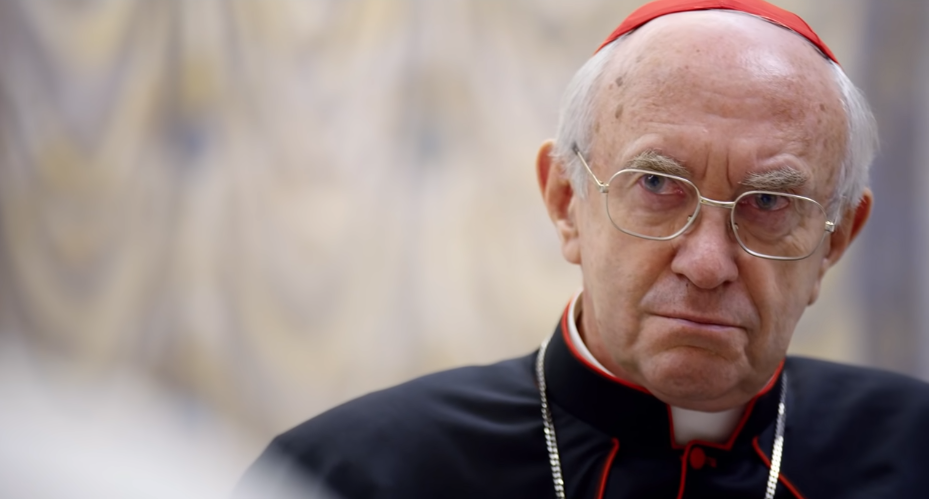
4. Jonathan Pryce in The Two Popes - Pryce makes use of great casting to give a charming and engaging turn that goes beyond the somewhat surface realization of Pope Francis offered by the screenplay.
Best Scene: Having made his confession.
3. Antonio Banderas in Pain and Glory - Banderas effectively shows off his range to give a subdued but captivating portrayal of the emotional state of his film director living through so much of his past, in the present.
Best Scene: Meeting his old lover.
2. Leonardo DiCaprio in Once Upon a Time in Hollywood - DiCaprio gives one of his best performances, in his wildly entertaining portrayal of the various roles of Rick Dalton, and the amusing fragile state of the actor.
Best Scene: Dalton in the trailer.
1. Adam Driver in Marriage Story - Good predictions Lucas Saavedra and Robert MacFarlane. Adam Driver gives a great performance that is based on creating such a naturalistic, intimate and vivid portrayal of a man's journey through a very painful divorce.
Best Scene: The argument.
Next: 2019 Alternate Supporting
Showing posts with label 2019. Show all posts
Tuesday, 21 January 2020
Best Actor 2019: Joaquin Phoenix in Joker
Joaquin Phoenix won his Oscar from his fourth Oscar nomination for portraying Arthur Fleck who becomes the titular character in Joker.
Joker features a pseudo origin of the famous Batman villain, through the story of a mentally disturbed rent-a-clown who dreams of becoming a stand-up comedian.
Joker is the film that has captured the stupidity of many. I say as someone who typically respects most opinions as long as they are spoken with logic. Logic though was not to be seen with so many around this film, in so many different spectrum of thought, taking an aggressively foolish approach to this film, many of these before they even saw it. This with a odd pioneering of the film, or a near demand of censorship of it with similar hysteria behind them, with the most extreme and bizarre notion of so many that violence was sure to come from the film. That last element being quite disgusting honestly, with strangely so many, who likely would've condemned such thoughts for other films, for whatever reason fell into them for this film. Well all I can say is that is a whole lot of noise, for what is kind of a thin forgettable film, that looks nice, when you break it all down. This as re-watching the film, after only a few months, I was surprised by how much of the film I had not remembered, which is rare for me, but perhaps testament to the limited amount of substance. I believe when I first wrote of the film I described it as effective, though I did not get into much more detail than that. Well I will stand by that in the sense, that when the violence does happen you take notice, but it is of such a perfunctory nature that it fails to leave an impression beyond the first blood splatter.
The one element of the film I suppose I didn't forget was what I am here to write about, that being Joaquin Phoenix, who is such a great actor that he would struggle to give a truly forgettable performance, Irrational Man aside. This taking on the role of the Joker, that certainly feels like an actor's playground as it allows one to go to such an extreme. Brilliantly so in the last Oscar nominated Joker turn in Heath Ledger's take on the clown prince of crime, less so as Jared Leto's wannabe gangster doofus. Phoenix's performance though differs from all other cinematic depictions of the Joker in that in his role is not of a super villain, or even a true career criminal, it is as a disturbed man. The nature of the disturbance is when the film begins to vex me a bit, but at least it lets me finally get into Phoenix's work a bit. Phoenix is of course no stranger to the extreme of humanity, offering several brilliant performances this decade alone that focuses on idiosyncratic traumas. So here, this role is something Phoenix can thrive in, and he does. One should not hand wave Phoenix's work here because we know he can pull something like this off, that is indeed true, but if this was the first time we saw some of these scenes from him, they would be impressive on their own. A lot of this might not be something new from him, but it is still something he can pull off that most cannot.
Take the opening scene of the film where we see his Joker, named Arthur Fleck preparing for his day of workman clowning, you know that average job most people have. Anyway though we get to see Arthur preparing in a mirror attempting to fashion his own smile with a fingers, while a deep sadness that penetrates his eyes. That is well performed by Phoenix and we get this generalized idea of pathos here. We see his first bad day on the job as those anti-sign hooligans steal his sign, always a problem, and proceed to beat him, because there's nothing worse than those gangs of anti-clown, anti-advertisement people. There is nothing there but a scared man wasting away as Phoenix portrays the reaction to the first attack. We get the defeated Arthur as he saunteres home, well conveyed again by Phoenix in his poor postured, and trudging gait of a man who seems to be in the margins of it all. This whole thing is vexing me in one way that I will get to, but there is something else more obviously vexing in the meantime. This as we learn of Arthur's laugh. A well performed guttural laugh by Phoenix that he delivers in a pained, nervousness of a reflexive response rather than a genuine giggle. This is supported as such as a card informs us it is from a neurological condition. That's all well and good, certainly well realized by Phoenix, but then we see the same laugh typically used in a more sociopath way, where Arthur laughs at inappropriate times, thinking it is the time to laugh. This could be the card lied to us, or it could be lazy writing, for some reason I think it is probably closer to the latter.
Again the idea of the sort of synaptic response, is an interesting idea, particularly as performed by Phoenix, but the film doesn't quite stay true to it, as it just is Arthur's laugh the rest of the time. Anyway though we see Arthur at his home with his mother Penny (Frances Conroy), who calls him "Happy" and he treats with great affection. Nonetheless we see him fantasize about being called a surrogate son by late night talk show host Murray (Robert De Niro). A scene that is from King of Comedy, but it has De Niro in it, so I guess that makes it an homage. Anyway, Phoenix again portrays another potentially effective strand of an idea in the fantasy scenes where he delivers his line as though he is a 1st grader reciting an essay about how he loves his mom. It is earnest, yet disturbing, however this sort of stunted mental state, really required by the dialogue of the scene "I've been the man of the house for a long time", however doesn't really invest itself towards a general idea other than being a general off-putting sort of idea. Phoenix pulls it off, but it goes into the film's list of things that make Arthur a generally eerie sort, there for the sake of it, which is rather vexing. This breaks, very quickly, technically speaking as Arthur is accosted again, by those anti-clown, pro-Broadway, rich hooligans, they're worse than the anti-sign crowd let me tell you. They not only take the time to attack you, they also bother to regale you with Sondheim when doing it, that's rough man. And you know, Arthur, now armed with a gun, can't take it much either, as instead of being the beaten down man we see in the opening we see his expression burn towards a hate, before violently reacting by killing all the men.
We are given enough for that snap in a way, even if it comes perhaps too early in a narrative sense, in that Phoenix does exude the desperation of the man effectively, particularly in his scene with a social worker. This where he speaks of his bad thoughts, Phoenix filters each word with a deep seeded anxiety and anguish that does develop a sense of the man's broken state of mind. This idea of the man at this lowest point then who seems to find his "calling" through violence is disturbing enough. This with though usually set up by having Phoenix dance, obviously to show those Broadway hooligans, that dance is superior to song, or perhaps to show him embracing his life. His very first dance scene in clown makeup, realizes this sort of an effective way at least on Pheonix's end, as the film itself seems like director Todd Phillips didn't know how to get from one scene to the next he went, "uhhh Phoenix dance again, it's artistic!". Phoenix to his credit does find something in the moment as this release of emotion, after the first killings, and at the end of it becoming this triumphant Joker stance, that alludes to that more sinister calling. The film though then detours a bit as we get caught up into a subplot where Arthur tries to find out if he's the son of Thomas Wayne or not. This again falling into the film's way of kind of just running through different ideas then really having a proper narrative flow, though I guess you do get a bit of an acting showcase for Phoenix.
Well at two ends I suppose as one we get a scene where he introduces himself to Bruce Wayne, where he does a clown routine of some cheer though creepy due to the context of who he is. We then get another scene of him confronting Thomas Wayne about his assumed paternity situation. This where Phoenix actually gets a little strangely whiny and makes the situation less palatable. He gets to make up for that though in the scene where he decides to track down the information for himself at Arkham Asylum from a clerk (Brian Tyree Henry). This may be the best scene in the film as it is actually filmed in a way to capture both what Phoenix is doing and the reaction to Phoenix in Henry's performance. A consistent problem in the film in the way it so constricts the view around Phoenix it actually limits his impact in a way. This as he speaks about his changes in mind having "lost it" as he speaks about doing bad things. Phoenix is excellent in this moment in being truly chilling in the confidence in which he speaks of again the man seeming as though he has found his purpose. In turn Henry is also provides an essential element in the scene in his slow realization of terror as he begins to understand what Arthur is talking about. It is a great moment for Phoenix as he manages to really grant the sense of the creation of a much darker fiend in that instance. This is even followed up by another great scene for Phoenix anyways, where he discovers the apparent truth that he was adopted into an abusive situation that caused his brain injury. There Phoenix does excel in capturing the shattering reality in his emotional breakdown, and with that intensity that only Phoenix really can bring.
The film then kind of wanders around a bit more though as that subplot finishes with unceremoniously murders his mother, mainly because we barely see a reaction from Conroy in the moment. Of course again the killing is so soon, that really that subplot is there to fulfill the need for more screentime, until we get to the film's ending, with no real sense of purpose within these developments. This being as the film vexes me in how it introduces elements, the laugh, the firing, the murders, the fake relationship with a neighbor, his childhood, so many things, but with so little meaning. This more of creating funnels for shocks and extremes for Phoenix to play. One of those comes in his next murder, this time killing an old co-worker, who betrayed him, in front of another one who was friendly to him. Again Phoenix's portrayal of the vicious hate of the murder is striking enough, the scene itself is the one funny, though very darkly so, moment in the film as it plays around with whether or not he's going to kill the other co-worker. This as we get the spirit of the other Jokers when he fake lunges at the other man, and in that moment Phoenix delivers that unpredictable terror effectively. That scene in a microcosm, honestly has potential, but in this film it is another scene among scenes. Speaking of, we then get him becoming the joker again in dance, though this time a little sillier, maybe don't over do it Phillips, as some the steps become a bit goofy, as it is one time too many perhaps. If this sounds like a meandering review, well this sums up the film for me, that is just a lot of stuff that happens, and Phoenix is there to wrangle it basically through his talent. I mean imagine the Jared Leto starring version of this film, a terrifying prospect I know, but there you can see the success but also the waste of what Phoenix is bringing here.
Not done yet though as we must see him visit the Murray show, where we get Phoenix's worst scene, but not without quality. This as we see him waiting to go on the show, his festering hate that builds as he is made fun of, is palatable within Phoenix's eyes. The same is as he is speaking to Murray, and he speaks of Murray's cruelty towards him. In that very much his incisive eyes are indeed horrifying as you see a true killer's sense, though with also the wrenching anguish of all that the man has suffered as well. This although though is within Phoenix truly playing the Joker I guess, which is to play every line with this whiny "I hate the world" inflection to every line delivery and overwrought flamboyance. It doesn't help that his lines in this scene are downright terrible, but it is one scene where the film's awfulness really rubs into Phoenix's work as well. This as it is the one scene where Phoenix loses Arthur to what feels like a detached showboating that doesn't feel naturally built on what he had been doing throughout. I do think Phoenix gets to make up for this slightly, with his more interesting portrayal of the Joker personality in just the confidence as he watches the chaos of the city, and speaking of his enjoyment. There his mania is far more disturbing as we see a more natural transition from the desperate man to the man whose found his way through horrible acts. This is even capped with one more dance, that while gratuitous, is more so in that vein. It is really just a repeat of his dance after the first killing, but again Phoenix does find an effectiveness in the creation of this Joker that feels like a natural transition for Arthur, as opposed to that prancing one we saw on the Murray show. This is a good performance by Joaquin Phoenix, as he does often make the protagonists journey tangible, and it definitely has great moments that only could be delivered by Phoenix's immense talent. The raw materials for an unforgettable portrayal of the character are there, they just don't quite come together due to a script without depth and a director who cannot point Phoenix in the right direction nor properly make use of his performance.You know, maybe actually bother to you know, direct him. Crazy, I know.
Joker features a pseudo origin of the famous Batman villain, through the story of a mentally disturbed rent-a-clown who dreams of becoming a stand-up comedian.
Joker is the film that has captured the stupidity of many. I say as someone who typically respects most opinions as long as they are spoken with logic. Logic though was not to be seen with so many around this film, in so many different spectrum of thought, taking an aggressively foolish approach to this film, many of these before they even saw it. This with a odd pioneering of the film, or a near demand of censorship of it with similar hysteria behind them, with the most extreme and bizarre notion of so many that violence was sure to come from the film. That last element being quite disgusting honestly, with strangely so many, who likely would've condemned such thoughts for other films, for whatever reason fell into them for this film. Well all I can say is that is a whole lot of noise, for what is kind of a thin forgettable film, that looks nice, when you break it all down. This as re-watching the film, after only a few months, I was surprised by how much of the film I had not remembered, which is rare for me, but perhaps testament to the limited amount of substance. I believe when I first wrote of the film I described it as effective, though I did not get into much more detail than that. Well I will stand by that in the sense, that when the violence does happen you take notice, but it is of such a perfunctory nature that it fails to leave an impression beyond the first blood splatter.
The one element of the film I suppose I didn't forget was what I am here to write about, that being Joaquin Phoenix, who is such a great actor that he would struggle to give a truly forgettable performance, Irrational Man aside. This taking on the role of the Joker, that certainly feels like an actor's playground as it allows one to go to such an extreme. Brilliantly so in the last Oscar nominated Joker turn in Heath Ledger's take on the clown prince of crime, less so as Jared Leto's wannabe gangster doofus. Phoenix's performance though differs from all other cinematic depictions of the Joker in that in his role is not of a super villain, or even a true career criminal, it is as a disturbed man. The nature of the disturbance is when the film begins to vex me a bit, but at least it lets me finally get into Phoenix's work a bit. Phoenix is of course no stranger to the extreme of humanity, offering several brilliant performances this decade alone that focuses on idiosyncratic traumas. So here, this role is something Phoenix can thrive in, and he does. One should not hand wave Phoenix's work here because we know he can pull something like this off, that is indeed true, but if this was the first time we saw some of these scenes from him, they would be impressive on their own. A lot of this might not be something new from him, but it is still something he can pull off that most cannot.
Take the opening scene of the film where we see his Joker, named Arthur Fleck preparing for his day of workman clowning, you know that average job most people have. Anyway though we get to see Arthur preparing in a mirror attempting to fashion his own smile with a fingers, while a deep sadness that penetrates his eyes. That is well performed by Phoenix and we get this generalized idea of pathos here. We see his first bad day on the job as those anti-sign hooligans steal his sign, always a problem, and proceed to beat him, because there's nothing worse than those gangs of anti-clown, anti-advertisement people. There is nothing there but a scared man wasting away as Phoenix portrays the reaction to the first attack. We get the defeated Arthur as he saunteres home, well conveyed again by Phoenix in his poor postured, and trudging gait of a man who seems to be in the margins of it all. This whole thing is vexing me in one way that I will get to, but there is something else more obviously vexing in the meantime. This as we learn of Arthur's laugh. A well performed guttural laugh by Phoenix that he delivers in a pained, nervousness of a reflexive response rather than a genuine giggle. This is supported as such as a card informs us it is from a neurological condition. That's all well and good, certainly well realized by Phoenix, but then we see the same laugh typically used in a more sociopath way, where Arthur laughs at inappropriate times, thinking it is the time to laugh. This could be the card lied to us, or it could be lazy writing, for some reason I think it is probably closer to the latter.
Again the idea of the sort of synaptic response, is an interesting idea, particularly as performed by Phoenix, but the film doesn't quite stay true to it, as it just is Arthur's laugh the rest of the time. Anyway though we see Arthur at his home with his mother Penny (Frances Conroy), who calls him "Happy" and he treats with great affection. Nonetheless we see him fantasize about being called a surrogate son by late night talk show host Murray (Robert De Niro). A scene that is from King of Comedy, but it has De Niro in it, so I guess that makes it an homage. Anyway, Phoenix again portrays another potentially effective strand of an idea in the fantasy scenes where he delivers his line as though he is a 1st grader reciting an essay about how he loves his mom. It is earnest, yet disturbing, however this sort of stunted mental state, really required by the dialogue of the scene "I've been the man of the house for a long time", however doesn't really invest itself towards a general idea other than being a general off-putting sort of idea. Phoenix pulls it off, but it goes into the film's list of things that make Arthur a generally eerie sort, there for the sake of it, which is rather vexing. This breaks, very quickly, technically speaking as Arthur is accosted again, by those anti-clown, pro-Broadway, rich hooligans, they're worse than the anti-sign crowd let me tell you. They not only take the time to attack you, they also bother to regale you with Sondheim when doing it, that's rough man. And you know, Arthur, now armed with a gun, can't take it much either, as instead of being the beaten down man we see in the opening we see his expression burn towards a hate, before violently reacting by killing all the men.
We are given enough for that snap in a way, even if it comes perhaps too early in a narrative sense, in that Phoenix does exude the desperation of the man effectively, particularly in his scene with a social worker. This where he speaks of his bad thoughts, Phoenix filters each word with a deep seeded anxiety and anguish that does develop a sense of the man's broken state of mind. This idea of the man at this lowest point then who seems to find his "calling" through violence is disturbing enough. This with though usually set up by having Phoenix dance, obviously to show those Broadway hooligans, that dance is superior to song, or perhaps to show him embracing his life. His very first dance scene in clown makeup, realizes this sort of an effective way at least on Pheonix's end, as the film itself seems like director Todd Phillips didn't know how to get from one scene to the next he went, "uhhh Phoenix dance again, it's artistic!". Phoenix to his credit does find something in the moment as this release of emotion, after the first killings, and at the end of it becoming this triumphant Joker stance, that alludes to that more sinister calling. The film though then detours a bit as we get caught up into a subplot where Arthur tries to find out if he's the son of Thomas Wayne or not. This again falling into the film's way of kind of just running through different ideas then really having a proper narrative flow, though I guess you do get a bit of an acting showcase for Phoenix.
Well at two ends I suppose as one we get a scene where he introduces himself to Bruce Wayne, where he does a clown routine of some cheer though creepy due to the context of who he is. We then get another scene of him confronting Thomas Wayne about his assumed paternity situation. This where Phoenix actually gets a little strangely whiny and makes the situation less palatable. He gets to make up for that though in the scene where he decides to track down the information for himself at Arkham Asylum from a clerk (Brian Tyree Henry). This may be the best scene in the film as it is actually filmed in a way to capture both what Phoenix is doing and the reaction to Phoenix in Henry's performance. A consistent problem in the film in the way it so constricts the view around Phoenix it actually limits his impact in a way. This as he speaks about his changes in mind having "lost it" as he speaks about doing bad things. Phoenix is excellent in this moment in being truly chilling in the confidence in which he speaks of again the man seeming as though he has found his purpose. In turn Henry is also provides an essential element in the scene in his slow realization of terror as he begins to understand what Arthur is talking about. It is a great moment for Phoenix as he manages to really grant the sense of the creation of a much darker fiend in that instance. This is even followed up by another great scene for Phoenix anyways, where he discovers the apparent truth that he was adopted into an abusive situation that caused his brain injury. There Phoenix does excel in capturing the shattering reality in his emotional breakdown, and with that intensity that only Phoenix really can bring.
The film then kind of wanders around a bit more though as that subplot finishes with unceremoniously murders his mother, mainly because we barely see a reaction from Conroy in the moment. Of course again the killing is so soon, that really that subplot is there to fulfill the need for more screentime, until we get to the film's ending, with no real sense of purpose within these developments. This being as the film vexes me in how it introduces elements, the laugh, the firing, the murders, the fake relationship with a neighbor, his childhood, so many things, but with so little meaning. This more of creating funnels for shocks and extremes for Phoenix to play. One of those comes in his next murder, this time killing an old co-worker, who betrayed him, in front of another one who was friendly to him. Again Phoenix's portrayal of the vicious hate of the murder is striking enough, the scene itself is the one funny, though very darkly so, moment in the film as it plays around with whether or not he's going to kill the other co-worker. This as we get the spirit of the other Jokers when he fake lunges at the other man, and in that moment Phoenix delivers that unpredictable terror effectively. That scene in a microcosm, honestly has potential, but in this film it is another scene among scenes. Speaking of, we then get him becoming the joker again in dance, though this time a little sillier, maybe don't over do it Phillips, as some the steps become a bit goofy, as it is one time too many perhaps. If this sounds like a meandering review, well this sums up the film for me, that is just a lot of stuff that happens, and Phoenix is there to wrangle it basically through his talent. I mean imagine the Jared Leto starring version of this film, a terrifying prospect I know, but there you can see the success but also the waste of what Phoenix is bringing here.
Not done yet though as we must see him visit the Murray show, where we get Phoenix's worst scene, but not without quality. This as we see him waiting to go on the show, his festering hate that builds as he is made fun of, is palatable within Phoenix's eyes. The same is as he is speaking to Murray, and he speaks of Murray's cruelty towards him. In that very much his incisive eyes are indeed horrifying as you see a true killer's sense, though with also the wrenching anguish of all that the man has suffered as well. This although though is within Phoenix truly playing the Joker I guess, which is to play every line with this whiny "I hate the world" inflection to every line delivery and overwrought flamboyance. It doesn't help that his lines in this scene are downright terrible, but it is one scene where the film's awfulness really rubs into Phoenix's work as well. This as it is the one scene where Phoenix loses Arthur to what feels like a detached showboating that doesn't feel naturally built on what he had been doing throughout. I do think Phoenix gets to make up for this slightly, with his more interesting portrayal of the Joker personality in just the confidence as he watches the chaos of the city, and speaking of his enjoyment. There his mania is far more disturbing as we see a more natural transition from the desperate man to the man whose found his way through horrible acts. This is even capped with one more dance, that while gratuitous, is more so in that vein. It is really just a repeat of his dance after the first killing, but again Phoenix does find an effectiveness in the creation of this Joker that feels like a natural transition for Arthur, as opposed to that prancing one we saw on the Murray show. This is a good performance by Joaquin Phoenix, as he does often make the protagonists journey tangible, and it definitely has great moments that only could be delivered by Phoenix's immense talent. The raw materials for an unforgettable portrayal of the character are there, they just don't quite come together due to a script without depth and a director who cannot point Phoenix in the right direction nor properly make use of his performance.You know, maybe actually bother to you know, direct him. Crazy, I know.
Best Actor 2019: Adam Driver in Marriage Story
Adam Driver received his second Oscar nomination for portraying Charlie Barber in Marriage Story.
Marriage Story follows the dissolution of a marriage that quickly falls into a custody battle over their son.
Adam Driver continues his streak of an ever growing resume of quality performances in interesting projects. This is as I'll give it away early that I think this is a great performance, but why it is a great performance, is a good question. One might think it is built around one scene, which there is a small nugget of truth in terms of making that scene work, but even that nugget is also not entirely true. Adam Driver here takes on the essential role of just playing a normal man. The idea even of the character of Charlie as a surrogate for writer/director Noah Baumbach isn't something that is focused upon, and I'm glad that Driver didn't try to turn Charlie into Baumbach. This as that would get in the way of what he is doing here, which is to first and foremost just introduce us to the person that is Charlie Barber. This isn't to say he is just some average ole' Joe, given he is a successful avant-garde theater director, but Driver's performance here isn't to make a distance with the character. This offering the right directness in his overall approach, not that he's making Charlie the most approachable man per se either. What he is instead is doing is allowing us just to observe this man, as a man in the most immediate intimacy, though by merely being with him with so many moments in which Driver let's us in on this man. Charlie, again is not some extreme idiosyncratic person, the challenge in Driver's work is to make it all compelling with letting us into basically Charlie's experience.
His essential partner in this approach is Scarlet Johansson as Charlie's wife Nicole. The brief early scenes of their interactions being essential in creating the chemistry between the two. This is not of this sparking love but rather a long standing relationship. What is remarkable in their performances is they do not simplify this towards the other end as their conversations and interactions capture the informality of their marriage experience as a day to day existence. This both in the brief moments where we do see them seemingly in happier moments with their son Henry. Driver and Johansson, right down to the most simple physical interaction they capture the ease and casual manner of a married couple. This with an assumption and connection, that in itself actually plays an essential element within the film. This in the earliest scene as the two prepare for their separation, where they initially speak of just a small scale agreed upon divorce, however after finishing their last collaboration on Charlie's new successful play. This is as in this moment their manner towards another is of a connection of love in the moment but rather an awareness of each other. This in each creating the static attempt of an indifference though with sort of a festering emotion "smoothed" over by their state of marriage. This in their exchange as Nicole asks for notes on the show, which when prodded slightly Charlie puts forth. Driver delivers the rundown on her performance without hesitation, cruelly, though naturally within portraying it as a ease based upon familiarity.
The film then shifts first to Nicole's perspective as she moves to LA to act in a pilot and is talked in lawyering up, serving Charlie surprisingly when he arrives to visit. Driver is outstanding in this scene by making it so vivid in realizing every moment of Charlie's interactions that lead up to having the legal documents given to him. This includes portraying so earnestly just Charlie trying to reconnect initially with his wife and son again, and even in his interactions with Nicole's sister and mother played by Merritt Wever and Julie Hagerty. I give special mention to the latter because the two performers overplay their roles to the point of being cartoons, so Driver deserves special mention in his cheerful moments of playing along with them, that he natural segues into as just someone having fun with what he believes to be his immediate family. Driver makes his part of it genuine even as he's working with one note performances, and in his own way creates a better awkwardness of the situation by showing the comfort of their interactions. This before he is finally served with the documents and Driver's subtle loss of life and sense of confusion is brilliantly performed. This as he creates so subtle in the moment the anxiety and sense of betrayal. It isn't with a curse but just this disbelief that feels so honest within his work. This honesty of his performance, consistent honesty, that becomes so essential in not only bringing the part to life but creating the needed empathy for Charlie.
This is that Driver makes Charlie neither monster nor saint. He rather makes him a flawed complicated man but by offering the necessary genuine detail to every situation makes his experience far more tangible. This as we see him initially attempting to find a lawyer while also getting blindsided by the legal ramifications of a situation he didn't know existed. Driver finds the right sense of detached confusion within these conversations that underlines not a man who doesn't care, but rather someone who has no idea what he is doing. This though with the distinct sense of the unease of the situation. Driver is fantastic in creating such a withdrawn frustration in these moments of trying to do what the law expects him to do in order to get custody of his son while also trying to do his job and see his son. Driver is fantastic in these scenes by carrying with it the constant push pull of emotions of the situation. There isn't a moment Driver is not wholly within through his performance that so captures the clawing intensity of it. This in just delivering the general lines with this attempt at the utmost cordiality, even towards his wife when it appears as though she is doing things to undermine him, though with these minor frustrated outbursts towards his son when he shows little appreciation or concern for Charlie's efforts. Driver essentially though shows in these moments the conviction in the devotion of care for his son, though always burdened by everything else weighing him down in these attempts.
The nature of this slowly caves within Charlie and this is realized so powerfully yet quietly in Driver's work that so succinctly avoids melodrama. Also if one wants to chime in on the scene I will be getting to below to make a claim otherwise, I think you should rethink your position. Anyways, the fantastic work Driver does here is showing the weight of the situation. This as we get his moment where he finds his first lawyer (Alan Alda) who slowly advises him to settle to avoid a battle in the courts. Driver is amazing in the scene in just the way he physically embodies the pain of the situation in his pacing, and his brief moments of yelling out and nearly breaking down. Driver is excellent in showing so well the way Charlie is on the verge of completely losing it, yet doesn't quite, by creating these edges, with also this always palatable sense of the repression that works towards just how worn he is by it all. I love Driver and Johansson's work in the scene, which is tailored to belong to Laura Dern and Ray Liotta as their hot shot lawyers, where we see their first official legal hearing. Driver and Johansson are marvelous in their silence, in showing the sheer shame and bitterness in their down turned faces. Both creating the sense of shame within the situation but also within their out in the open secrets spoken so loudly by both lawyers to undercut each other. Their performances convey the weight of these secrets even in their reserve, particularly in the sense of how much it hurts each to hear every one of them.
Driver's performance naturally works towards a tipping point. This in that underlying sense that only grows, with minor outbursts, such a phone call between Charlie and Nicole were a bit of the venom comes out. This with an exasperation of something that runs deeper than a single betrayal. What Driver though builds towards, and wholly earns, is the scene where Nicole and Charlie truly talk to one another about the situation. This scene I think alone perhaps shows why insta-social media reaction of art, is a particularly um, let's say um... a stupid method too many utilize these days. This as this scene I will be discussing here was dismissed out of context as "bad acting", but hey I guess if you have a poorly informed opinion about something, best be aggressive and quick about it...or maybe not. Anyway, actually taking the time to watch something though is important to appreciating it I suppose. This as this scene exists and is earned through what we see built up throughout the story between Charlie and Nicole, as their conversations slowly begin to become more hostile. Of course this is even brilliantly realized in the scene itself that does begin quiet as the two are just talking, and Driver delivers just an extra bit of a snipe as he remarks not wanting to use a photograph because it has Nicole in it. This with though in Driver's silent reactions as he creates the sense of the wear of just hearing her words as she begins to openly bring up what was said in court. This then begins what is a masterful decay portrayed by both actors, that moves both Charlie and Nicole towards their lowest point. This as each speak of old wounds, and Driver is incredible by making every outburst harder and more emotional as any sense of repression just loses itself through Nicole's words that cut particularly deep. Driver though is even not one note in also portraying the attempts at fighting back by rationalizing his own mistakes or attacking Nicole. In each, Driver finds the mess of the thoughts as they spiral out as urgent pleas or hateful barbs. Driver peels away each real defense as he physically wears the pent up anger until it finally releases as such both through that and vile words at Nicole. Driver makes this as natural as anything else he does, and in turn extremely remarkable, as this is not just some sudden yelling, but rather the breakdown of any sense of love driven really by words that could've only been learned through such familiarity. The two earn this extreme honest to two people at their absolute worst, both through their articulate and truthful work within the scene itself and throughout the film.
After that scene Driver carefully shows even the after effects of it by showing a more detached Charlie in a way. Driver continues to bring us right with Charlie in every scene, even two potentially contrived moments. The first being when Charlie cuts himself in an absent minded way when speaking to a court observer. Again Driver's detachment in the moment captures just someone spent in the way he speaks defeated by it all, and his down turned manner of someone who just is not quite with it in the moment. The same is true in some time later after the court has finally been settled, mostly not in Charlie's favor, and he goes out in the night. The contrivance comes as Charlie, sparked by music in a bar, decides to regale everyone with a song. Driver though again adds truth to it as his first lines in the scenes still carry just that weight and bitterness of the situation until his ears catch the music. There then Driver is amazing in the moment by showing just a hint of mania in his eyes as he begins to sing, suggesting a man just trying to find some way to live up his life just a bit after having been burdened by the custody battle for so long. I'll end this review with two different moments, particularly in focus of the film, but both together I think help to illustrate the greatness of Driver's performance here. The first being one of the final moments in the film where Charlie stumbles upon his son reading a letter from Nicole about all the things she likes about Charlie. Driver is heartbreaking in this scene by quietly building just how moved Charlie is as he hears each word then begins to read the words himself. This in the moment showing Driver so poignantly revealing just how much Charlie did love Nicole even after all that happened, in his pained voice, the sorrow of his expression, though with a sense of tenderness within it all. The other moment though comes before this just as Charlie enters Nicole's house after all has been said and done, and is there to see Henry. This as first Charlie meets Nicole's boyfriend, and brief, so brief, facial downturn, Driver shows the heartbreak in this, before shifting to a welcoming smile to greet Nicole's family and Henry once again. That longer moment and this shorter one though show just how detailed Driver's work is here, in making every moment of Charlie's experience so vivid, while always seeming absolutely natural. This isn't the portrayal of some historical figure, some extreme personality, it is just a man, a man that we get to know, feel and understand his experience through Adam Driver's astonishing work.
Adam Driver continues his streak of an ever growing resume of quality performances in interesting projects. This is as I'll give it away early that I think this is a great performance, but why it is a great performance, is a good question. One might think it is built around one scene, which there is a small nugget of truth in terms of making that scene work, but even that nugget is also not entirely true. Adam Driver here takes on the essential role of just playing a normal man. The idea even of the character of Charlie as a surrogate for writer/director Noah Baumbach isn't something that is focused upon, and I'm glad that Driver didn't try to turn Charlie into Baumbach. This as that would get in the way of what he is doing here, which is to first and foremost just introduce us to the person that is Charlie Barber. This isn't to say he is just some average ole' Joe, given he is a successful avant-garde theater director, but Driver's performance here isn't to make a distance with the character. This offering the right directness in his overall approach, not that he's making Charlie the most approachable man per se either. What he is instead is doing is allowing us just to observe this man, as a man in the most immediate intimacy, though by merely being with him with so many moments in which Driver let's us in on this man. Charlie, again is not some extreme idiosyncratic person, the challenge in Driver's work is to make it all compelling with letting us into basically Charlie's experience.
His essential partner in this approach is Scarlet Johansson as Charlie's wife Nicole. The brief early scenes of their interactions being essential in creating the chemistry between the two. This is not of this sparking love but rather a long standing relationship. What is remarkable in their performances is they do not simplify this towards the other end as their conversations and interactions capture the informality of their marriage experience as a day to day existence. This both in the brief moments where we do see them seemingly in happier moments with their son Henry. Driver and Johansson, right down to the most simple physical interaction they capture the ease and casual manner of a married couple. This with an assumption and connection, that in itself actually plays an essential element within the film. This in the earliest scene as the two prepare for their separation, where they initially speak of just a small scale agreed upon divorce, however after finishing their last collaboration on Charlie's new successful play. This is as in this moment their manner towards another is of a connection of love in the moment but rather an awareness of each other. This in each creating the static attempt of an indifference though with sort of a festering emotion "smoothed" over by their state of marriage. This in their exchange as Nicole asks for notes on the show, which when prodded slightly Charlie puts forth. Driver delivers the rundown on her performance without hesitation, cruelly, though naturally within portraying it as a ease based upon familiarity.
The film then shifts first to Nicole's perspective as she moves to LA to act in a pilot and is talked in lawyering up, serving Charlie surprisingly when he arrives to visit. Driver is outstanding in this scene by making it so vivid in realizing every moment of Charlie's interactions that lead up to having the legal documents given to him. This includes portraying so earnestly just Charlie trying to reconnect initially with his wife and son again, and even in his interactions with Nicole's sister and mother played by Merritt Wever and Julie Hagerty. I give special mention to the latter because the two performers overplay their roles to the point of being cartoons, so Driver deserves special mention in his cheerful moments of playing along with them, that he natural segues into as just someone having fun with what he believes to be his immediate family. Driver makes his part of it genuine even as he's working with one note performances, and in his own way creates a better awkwardness of the situation by showing the comfort of their interactions. This before he is finally served with the documents and Driver's subtle loss of life and sense of confusion is brilliantly performed. This as he creates so subtle in the moment the anxiety and sense of betrayal. It isn't with a curse but just this disbelief that feels so honest within his work. This honesty of his performance, consistent honesty, that becomes so essential in not only bringing the part to life but creating the needed empathy for Charlie.
This is that Driver makes Charlie neither monster nor saint. He rather makes him a flawed complicated man but by offering the necessary genuine detail to every situation makes his experience far more tangible. This as we see him initially attempting to find a lawyer while also getting blindsided by the legal ramifications of a situation he didn't know existed. Driver finds the right sense of detached confusion within these conversations that underlines not a man who doesn't care, but rather someone who has no idea what he is doing. This though with the distinct sense of the unease of the situation. Driver is fantastic in creating such a withdrawn frustration in these moments of trying to do what the law expects him to do in order to get custody of his son while also trying to do his job and see his son. Driver is fantastic in these scenes by carrying with it the constant push pull of emotions of the situation. There isn't a moment Driver is not wholly within through his performance that so captures the clawing intensity of it. This in just delivering the general lines with this attempt at the utmost cordiality, even towards his wife when it appears as though she is doing things to undermine him, though with these minor frustrated outbursts towards his son when he shows little appreciation or concern for Charlie's efforts. Driver essentially though shows in these moments the conviction in the devotion of care for his son, though always burdened by everything else weighing him down in these attempts.
The nature of this slowly caves within Charlie and this is realized so powerfully yet quietly in Driver's work that so succinctly avoids melodrama. Also if one wants to chime in on the scene I will be getting to below to make a claim otherwise, I think you should rethink your position. Anyways, the fantastic work Driver does here is showing the weight of the situation. This as we get his moment where he finds his first lawyer (Alan Alda) who slowly advises him to settle to avoid a battle in the courts. Driver is amazing in the scene in just the way he physically embodies the pain of the situation in his pacing, and his brief moments of yelling out and nearly breaking down. Driver is excellent in showing so well the way Charlie is on the verge of completely losing it, yet doesn't quite, by creating these edges, with also this always palatable sense of the repression that works towards just how worn he is by it all. I love Driver and Johansson's work in the scene, which is tailored to belong to Laura Dern and Ray Liotta as their hot shot lawyers, where we see their first official legal hearing. Driver and Johansson are marvelous in their silence, in showing the sheer shame and bitterness in their down turned faces. Both creating the sense of shame within the situation but also within their out in the open secrets spoken so loudly by both lawyers to undercut each other. Their performances convey the weight of these secrets even in their reserve, particularly in the sense of how much it hurts each to hear every one of them.
Driver's performance naturally works towards a tipping point. This in that underlying sense that only grows, with minor outbursts, such a phone call between Charlie and Nicole were a bit of the venom comes out. This with an exasperation of something that runs deeper than a single betrayal. What Driver though builds towards, and wholly earns, is the scene where Nicole and Charlie truly talk to one another about the situation. This scene I think alone perhaps shows why insta-social media reaction of art, is a particularly um, let's say um... a stupid method too many utilize these days. This as this scene I will be discussing here was dismissed out of context as "bad acting", but hey I guess if you have a poorly informed opinion about something, best be aggressive and quick about it...or maybe not. Anyway, actually taking the time to watch something though is important to appreciating it I suppose. This as this scene exists and is earned through what we see built up throughout the story between Charlie and Nicole, as their conversations slowly begin to become more hostile. Of course this is even brilliantly realized in the scene itself that does begin quiet as the two are just talking, and Driver delivers just an extra bit of a snipe as he remarks not wanting to use a photograph because it has Nicole in it. This with though in Driver's silent reactions as he creates the sense of the wear of just hearing her words as she begins to openly bring up what was said in court. This then begins what is a masterful decay portrayed by both actors, that moves both Charlie and Nicole towards their lowest point. This as each speak of old wounds, and Driver is incredible by making every outburst harder and more emotional as any sense of repression just loses itself through Nicole's words that cut particularly deep. Driver though is even not one note in also portraying the attempts at fighting back by rationalizing his own mistakes or attacking Nicole. In each, Driver finds the mess of the thoughts as they spiral out as urgent pleas or hateful barbs. Driver peels away each real defense as he physically wears the pent up anger until it finally releases as such both through that and vile words at Nicole. Driver makes this as natural as anything else he does, and in turn extremely remarkable, as this is not just some sudden yelling, but rather the breakdown of any sense of love driven really by words that could've only been learned through such familiarity. The two earn this extreme honest to two people at their absolute worst, both through their articulate and truthful work within the scene itself and throughout the film.
After that scene Driver carefully shows even the after effects of it by showing a more detached Charlie in a way. Driver continues to bring us right with Charlie in every scene, even two potentially contrived moments. The first being when Charlie cuts himself in an absent minded way when speaking to a court observer. Again Driver's detachment in the moment captures just someone spent in the way he speaks defeated by it all, and his down turned manner of someone who just is not quite with it in the moment. The same is true in some time later after the court has finally been settled, mostly not in Charlie's favor, and he goes out in the night. The contrivance comes as Charlie, sparked by music in a bar, decides to regale everyone with a song. Driver though again adds truth to it as his first lines in the scenes still carry just that weight and bitterness of the situation until his ears catch the music. There then Driver is amazing in the moment by showing just a hint of mania in his eyes as he begins to sing, suggesting a man just trying to find some way to live up his life just a bit after having been burdened by the custody battle for so long. I'll end this review with two different moments, particularly in focus of the film, but both together I think help to illustrate the greatness of Driver's performance here. The first being one of the final moments in the film where Charlie stumbles upon his son reading a letter from Nicole about all the things she likes about Charlie. Driver is heartbreaking in this scene by quietly building just how moved Charlie is as he hears each word then begins to read the words himself. This in the moment showing Driver so poignantly revealing just how much Charlie did love Nicole even after all that happened, in his pained voice, the sorrow of his expression, though with a sense of tenderness within it all. The other moment though comes before this just as Charlie enters Nicole's house after all has been said and done, and is there to see Henry. This as first Charlie meets Nicole's boyfriend, and brief, so brief, facial downturn, Driver shows the heartbreak in this, before shifting to a welcoming smile to greet Nicole's family and Henry once again. That longer moment and this shorter one though show just how detailed Driver's work is here, in making every moment of Charlie's experience so vivid, while always seeming absolutely natural. This isn't the portrayal of some historical figure, some extreme personality, it is just a man, a man that we get to know, feel and understand his experience through Adam Driver's astonishing work.
Monday, 20 January 2020
Best Actor 2019: Antonio Banderas in Pain and Glory
Antonio Banderas received his first Oscar nomination for portraying Salvador Mallo in Pain and Glory.
Pain and Glory is the semi-autobiographical film by Pedro Almodóvar that explores the later life and early childhood of a filmmaker.
Pain and Glory, firmly in the vein of 8 1/2, is the auteur director examining his past, his present, his films, his faults and his passions, all with a level of fictionalization that we can only speculate on. Fittingly Almodóvar calls upon his long time collaborator, and one of the most famed actors who came up through his films, in Antonio Banderas to play this form of himself. An actor who began in more dramatic films before finding his path in action films when it came to international recognition, though not he has mostly shifted back towards providing character actor work in lower budget films. His most recent notable leading turns in this decade returning to working with Almodóvar, who he had not worked with since the 80's until returning with The Skin I Live IN, and now here which earned Banderas the CANNES best actor award along with the Oscar nomination. This also being a return to a different type of performance for Banderas, as much of his English language performances have mostly been based around his charm and energy. Not that those are bad things, but they certainly created a certain limit on his range. Here he gets to push that a bit more in his attempt to embody Pedro Almodóvar through Salvador Mallo, who basically is reliving a whole lot of his past, both in memory, and by checking in with old acquaintances, collaborators and friends, built around revisiting one of his films for a retrospective.
As typical for an Almodóvar film, the storytelling is purposefully scattered around, so Banderas likely has the least screentime out of all his fellow Oscar nominees, this as we have many a cut away to the life of the young Salvador with his mother, little narrative detours (which still does often feature Banderas through narration) and devoted scenes to the others characters in Salvador's life. The film is at its best though when it does focus closely upon Banderas who gives a subtle transformation into the part. This as if you just take a cursory glance, you might not think too much of it, but Banderas does take subtle measures to become his own director. Now some are from that director himself in his wavy unkempt hair, and his typically casual clothing in most circumstances, but it also extends into Banderas's own work. These are very subdued mannerisms that Bandears takes on from the man himself in just the way he carries himself, how he moves his arm with a certain expressiveness at all times, and his sort of physical posture that is always a bit retiring. Banderas's vocal work even quietly evokes the man with just slight changes in intonation. Again these are all subtle qualities, that one would likely miss if not aware of the director himself, but Banderas does use them nicely to most importantly craft the sense of the man that Salvador Mallo is through this subdued transformation into Almodóvar.
Banderas's performance then realizes this manner of the man that then we meet in this awkward period of his life and his career. This with Banderas exuding just an exasperation towards life in general as he goes about the motions to see Alberto Crespo (Asier Etxeandia), his former leading man with whom he's had a falling out with. Etxeandia playing really the pseudo version of Banderas himself, as the important former collaborator early in his career with whom they'll soon renew a working relationship with, though it doesn't appear Banderas and Almodóvar ever had a falling out, but I digress. Banderas delivers the striking weariness within the reunion making even his sudden interest in smoking heroin along with his former leading man, something that seems natural within the character by conveying this general disinterest towards his life, that would prompt such a foolish action. This nonetheless though creates enough of a rekindling of a friendship with Alberto, as the two proceed to get high rather than attending to the retrospective on their film. He instead does a call in interview, that is a wonderful playful bit of acting in his quite reactions of genuine appreciation at the applause for his film, towards the switch towards a slight annoyance as questions interfere with his drug snorting. His actual answering of a question though Banderas portrays effectively initially as the recitation of a point made many times, that slowly breaks down into a darker emotional disdain for his leading man that suggests the old wound has not healed.
Banderas is compelling here in managing to realize much of the man's history within his performance, while also portraying his new "adventure" into drug addiction from that previous casual use. Banderas's work grants enough vividness within the idea of this personal exploration that he very effectively maneuvers, as always typical to his director, often random storytelling flow. Banderas though is able to capture what needs to be found in the moment by having a firm grasp of the character at all times. This particularly in the idea of this sort of drifting passion that is realized within his eyes that exasperation marked by disappointments and belief in failure, however his words still evoke palatable interest towards renewing his creative spark. This particularly in as he makes up with Alberto by bringing him a new monologue, where Banderas brings this sage like determination, though still worn by drugs within this, as he attempts to instruct his actor, with rather good advice, such as the technique of holding back tears as opposed to outright crying is indeed far more effective in most circumstances. This as we see as one of the most striking scenes, of Mallo's autobiographical monologue on love, in the film is given to Etxeandia as the actor rather than Banderas as the director. Nonetheless the monologue opens up a new avenue to the often bitter filmmaker, which is essential for Banderas's performance as he is able to show us a bit less guarded side of Salvador.
Banderas makes the most of the moment where Mallo gets the call from his old lover, and Banderas's portrayal of his change in expression is marvelous. This as he becomes filled with the sense of love even in hearing the voice, and his eyes are gripped by an old affection that is remarkable. This too employing the almost but not quite crying method, that just really does make all the greater of an impact. When Banderas meets the man it is a terrific bit of acting from him as we see so much of the reserve lost, in his physicality that expresses this nervousness in his sudden movements, and his eyes that are marked by much anticipation. Although there are no flashbacks to this romance, we are granted a vivid sense of it through Banderas's performance. Banderas is wonderful in the way he looks throughout the scene is with this evocation of the energy of a younger man, and far more youthful romantic. This as he finds a chemistry that is built upon this sense of mutual appreciation for the past in the moment. Banderas though also does deliver enough hesitation in moments though in his words that are remarked with a bit of pain that conveys a regret and loss associated with the time that has passed. It is beautifully drawn work from Banderas as he show this combination slowly become unbearable throughout the scene as he gradually creates this growing emotion and loss of that reserve that defined the man earlier in the film. This scene builds on that rather brilliantly as Banderas uses that to show just how paramount this relationship is by creating this sense of change towards the life of a younger man through this reunion. This likely would be the emotional climax for most films, but given who the writer/director is, the film continues as it segues past this to visit Mallo facing his sudden drug addiction, and another, earlier flashback, dealing with the relationship with his aged and ailing mother. These scenes are simpler of just a son appreciating his mother, yet Banderas definitely finds the poignancy within these moments in conveying the heartbreak at the anticipated loss, and the unconditional love for her. Banderas is incredible in these scenes by showing Mallo without any pretense whatsoever and just the genuine man beneath it all. The drug addiction on the other hand is kind of glossed over in the scheme of the film, which wraps up pretty quickly. There is enough time however for Antonio Banderas to make the appropriate impression in the role to realizes a captivating portrait of the unique artist that is Salvador Mallo or Pedro Almodóvar. This is as the potency of his own work is never lost within the film's scattered narrative, to the point I actually wish it had just honed in more closely on the present story, as it still stands though this is a remarkable performance by Antonio Banderas that allows him to be more than just the charming or energetic Spaniard.
Pain and Glory is the semi-autobiographical film by Pedro Almodóvar that explores the later life and early childhood of a filmmaker.
Pain and Glory, firmly in the vein of 8 1/2, is the auteur director examining his past, his present, his films, his faults and his passions, all with a level of fictionalization that we can only speculate on. Fittingly Almodóvar calls upon his long time collaborator, and one of the most famed actors who came up through his films, in Antonio Banderas to play this form of himself. An actor who began in more dramatic films before finding his path in action films when it came to international recognition, though not he has mostly shifted back towards providing character actor work in lower budget films. His most recent notable leading turns in this decade returning to working with Almodóvar, who he had not worked with since the 80's until returning with The Skin I Live IN, and now here which earned Banderas the CANNES best actor award along with the Oscar nomination. This also being a return to a different type of performance for Banderas, as much of his English language performances have mostly been based around his charm and energy. Not that those are bad things, but they certainly created a certain limit on his range. Here he gets to push that a bit more in his attempt to embody Pedro Almodóvar through Salvador Mallo, who basically is reliving a whole lot of his past, both in memory, and by checking in with old acquaintances, collaborators and friends, built around revisiting one of his films for a retrospective.
As typical for an Almodóvar film, the storytelling is purposefully scattered around, so Banderas likely has the least screentime out of all his fellow Oscar nominees, this as we have many a cut away to the life of the young Salvador with his mother, little narrative detours (which still does often feature Banderas through narration) and devoted scenes to the others characters in Salvador's life. The film is at its best though when it does focus closely upon Banderas who gives a subtle transformation into the part. This as if you just take a cursory glance, you might not think too much of it, but Banderas does take subtle measures to become his own director. Now some are from that director himself in his wavy unkempt hair, and his typically casual clothing in most circumstances, but it also extends into Banderas's own work. These are very subdued mannerisms that Bandears takes on from the man himself in just the way he carries himself, how he moves his arm with a certain expressiveness at all times, and his sort of physical posture that is always a bit retiring. Banderas's vocal work even quietly evokes the man with just slight changes in intonation. Again these are all subtle qualities, that one would likely miss if not aware of the director himself, but Banderas does use them nicely to most importantly craft the sense of the man that Salvador Mallo is through this subdued transformation into Almodóvar.
Banderas's performance then realizes this manner of the man that then we meet in this awkward period of his life and his career. This with Banderas exuding just an exasperation towards life in general as he goes about the motions to see Alberto Crespo (Asier Etxeandia), his former leading man with whom he's had a falling out with. Etxeandia playing really the pseudo version of Banderas himself, as the important former collaborator early in his career with whom they'll soon renew a working relationship with, though it doesn't appear Banderas and Almodóvar ever had a falling out, but I digress. Banderas delivers the striking weariness within the reunion making even his sudden interest in smoking heroin along with his former leading man, something that seems natural within the character by conveying this general disinterest towards his life, that would prompt such a foolish action. This nonetheless though creates enough of a rekindling of a friendship with Alberto, as the two proceed to get high rather than attending to the retrospective on their film. He instead does a call in interview, that is a wonderful playful bit of acting in his quite reactions of genuine appreciation at the applause for his film, towards the switch towards a slight annoyance as questions interfere with his drug snorting. His actual answering of a question though Banderas portrays effectively initially as the recitation of a point made many times, that slowly breaks down into a darker emotional disdain for his leading man that suggests the old wound has not healed.
Banderas is compelling here in managing to realize much of the man's history within his performance, while also portraying his new "adventure" into drug addiction from that previous casual use. Banderas's work grants enough vividness within the idea of this personal exploration that he very effectively maneuvers, as always typical to his director, often random storytelling flow. Banderas though is able to capture what needs to be found in the moment by having a firm grasp of the character at all times. This particularly in the idea of this sort of drifting passion that is realized within his eyes that exasperation marked by disappointments and belief in failure, however his words still evoke palatable interest towards renewing his creative spark. This particularly in as he makes up with Alberto by bringing him a new monologue, where Banderas brings this sage like determination, though still worn by drugs within this, as he attempts to instruct his actor, with rather good advice, such as the technique of holding back tears as opposed to outright crying is indeed far more effective in most circumstances. This as we see as one of the most striking scenes, of Mallo's autobiographical monologue on love, in the film is given to Etxeandia as the actor rather than Banderas as the director. Nonetheless the monologue opens up a new avenue to the often bitter filmmaker, which is essential for Banderas's performance as he is able to show us a bit less guarded side of Salvador.
Banderas makes the most of the moment where Mallo gets the call from his old lover, and Banderas's portrayal of his change in expression is marvelous. This as he becomes filled with the sense of love even in hearing the voice, and his eyes are gripped by an old affection that is remarkable. This too employing the almost but not quite crying method, that just really does make all the greater of an impact. When Banderas meets the man it is a terrific bit of acting from him as we see so much of the reserve lost, in his physicality that expresses this nervousness in his sudden movements, and his eyes that are marked by much anticipation. Although there are no flashbacks to this romance, we are granted a vivid sense of it through Banderas's performance. Banderas is wonderful in the way he looks throughout the scene is with this evocation of the energy of a younger man, and far more youthful romantic. This as he finds a chemistry that is built upon this sense of mutual appreciation for the past in the moment. Banderas though also does deliver enough hesitation in moments though in his words that are remarked with a bit of pain that conveys a regret and loss associated with the time that has passed. It is beautifully drawn work from Banderas as he show this combination slowly become unbearable throughout the scene as he gradually creates this growing emotion and loss of that reserve that defined the man earlier in the film. This scene builds on that rather brilliantly as Banderas uses that to show just how paramount this relationship is by creating this sense of change towards the life of a younger man through this reunion. This likely would be the emotional climax for most films, but given who the writer/director is, the film continues as it segues past this to visit Mallo facing his sudden drug addiction, and another, earlier flashback, dealing with the relationship with his aged and ailing mother. These scenes are simpler of just a son appreciating his mother, yet Banderas definitely finds the poignancy within these moments in conveying the heartbreak at the anticipated loss, and the unconditional love for her. Banderas is incredible in these scenes by showing Mallo without any pretense whatsoever and just the genuine man beneath it all. The drug addiction on the other hand is kind of glossed over in the scheme of the film, which wraps up pretty quickly. There is enough time however for Antonio Banderas to make the appropriate impression in the role to realizes a captivating portrait of the unique artist that is Salvador Mallo or Pedro Almodóvar. This is as the potency of his own work is never lost within the film's scattered narrative, to the point I actually wish it had just honed in more closely on the present story, as it still stands though this is a remarkable performance by Antonio Banderas that allows him to be more than just the charming or energetic Spaniard.
Sunday, 19 January 2020
Best Actor 2019: Leonardo DiCaprio in Once Upon a Time in Hollywood
Leonardo DiCaprio received his sixth acting Oscar nomination for portraying Rick Dalton in Once Upon a Time in Hollywood.
Once Upon a Time in Hollywood follows the misadventures of fading TV star Rick Dalton and his trustworthy sidekick/driver/stuntman Cliff Booth (Brad Pitt), and his next door neighbor, the growing real life star Sharon Tate (Margot Robbie), in Hollywood in 1969.
Leonardo DiCaprio returns to work with Quentin Tarantino, formerly taking on the over the top supporting villainous role in Django Unchained, this time taking on the lead role of Rick Dalton, a former TV western star now reduced to villain guest spots, and a potential career in bad Italian ripoffs. DiCaprio also makes a return, a most welcome return, to what is a comic star turn from him. One of DiCaprio's greatest cinematic talents is his star charisma, something he doesn't always call upon purposefully, but is always very welcome when he does. This is thankfully something he does make use of here in his portrayal of fading star Rick, though Rick is hardly DiCaprio playing himself, given that DiCaprio has never been anything but a star, and ole' Rick was never a star of DiCaprio's ilk either. DiCaprio then makes a great decision to play both into his star presence while fashioning a unique character in Rick Dalton through alterations to that presence. One important facet of his being his accent, which needs a special mention. This is as it is something that is just a brilliant starting point for his performance that he uses so effectively. This in portraying Rick Dalton basically as a Midwesterner, who came to Hollywood. This in that as we see Rick Dalton in official functions, speaking to director to management so on, he speaks with clearer voice closer to DiCaprio's own. A bit of of an accent but a light one. With Cliff Booth, or when he just can't help it, it drops into a much thicker accent of the place wherever he came from, and this just a fantastic touch right from the outset for DiCaprio.
DiCaprio's performance here is realizing the different sides of Rick Dalton. This as we see his attempting to be an unassuming charmer in the opening scene by meeting a potential new agent (Al Pacino), while really just hearing that his career is pretty dead. DiCaprio's terrific in this scene in his gentle thank you and affable demeanor, while hiding such very real concerned glances as the agent speaks of the poor prospects of his career before recommending that he star in Italian movies. This is against the very emotional Rick DiCaprio reveals moments later as he speaks about the meeting to his best friend Cliff, declaring that he is indeed a has been. Of course as much as this is a terrific bit of character realization by DiCaprio, more than anything this is just an extremely entertaining performance by him. This as his portrayal of the emotional Rick in this moment is absolutely hilarious in portraying such complete devastation, as he declares with such raw emotion that "no one likes Spaghetti westerns". DiCaprio is a hoot in a way by making use of the sort of petulant anger, that one might've argued as a weakness with some earlier dramatic turns of his, is made completely winning by using it for the comedic nature of Rick's struggle. This made all the more enjoyable as we see Rick's attitude turn around in a moment at seeing Sharon Tate and husband Roman Polanski drive by. DiCaprio's equally petulant excitement is wonderful in showing just how childish Rick is about the thing as he makes the change funny, but also natural in showing Rick's easy change in mindset.
As I mentioned in my review of Pitt, this is a proper star pairing where the two finding a great chemistry together. This in creating a sense of just assumed friendship between the two in their interactions, along with just terrific dynamic between Pitt as the straight man and DiCaprio as the showy one. Well DiCaprio does not waste his purposefully more overt performance, fitting particularly for the character that is Rick Dalton. This in portraying the over eagerness of the guy that DiCaprio makes almost bi-polar in his existence as the struggling star. This in creating such palatable desperation, however doing it in a way that isn't harrowing but rather very funny given Rick's prospects and state of being. Pitt provides that stability, and DiCaprio runs away with the almost insanity of the emotional Rick. This that continues as we see Rick go to his next TV guest spot for a pilot where he is set to play the heavy. Although these scenes theoretically could be the slow ones of the film, as they don't advance what seems to be the pseudo plot of the film, for me they are among the film's best, largely because of DiCaprio's portrayal of them. DiCaprio manages to realize with such eloquence the comic gold of Rick facing his none too great future when talking, before shooting, with a young child actor Trudi (Julia Butters). DiCaprio strikes up an amazing chemistry with her in just two scenes as he reacts towards her conversation with all the gravity as he though he would if he were speaking to some virtuoso acting teacher, while also underlining with this certain sweet charm more so towards just a little girl.
DiCaprio is fantastic in the scene though as Rick discusses the book he is reading about a fading rodeo cowboy, whose body is starting to fail him. DiCaprio is incredibly funny as he delivers this plot of the cowboy as this emotional breakdown he is suffering in the moment as Rick speaks of himself. It is marvelous work as he completely does bring to life Rick's plight, he just also makes it extremely humorous all the same. That in itself is but a warm up though, after Rick flubs a few of his lines of hist first scene leading to one of the best scenes in Leonardo DiCaprio's career. This as he portrays Rick's breakdown in his trailer, that was supposedly all ad-libbed by DiCaprio, and it is a masterful bit of comedy from DiCaprio. He's just perfect in the amount of intensity he brings in his anger as he kicks around the trailer in such a fuss, with yells of sheer hilarity at his failures going fully "native" with his accent. The greatest of this being DiCaprio impeccable realization of a stuttering mess he becomes as Rick wallows in his self-pity, that achieves that emotion but is also just so enjoyable to watch him do it as the pathetic lump that is Rick Dalton in the moment. He's not done though as he screams in anguish at his constant drinking, before the impeccable bit of physical comedy as he casually drinks from a flask, before blowing up in a rage all over again. DiCaprio though topping it all with his firm incisive delivery as he gives himself a death stare, and Rick tells himself to not screw up again or lest he kill himself. It's a tour de force comic scene, right up there with his Lemmon related Quaaludes, and one wonders if screwball comedy is perhaps DiCaprio's true calling.
In addition to all this though we also get a lot of fun from DiCaprio in his portrayal of Rick Dalton's various performances. These sometimes are bit brief, but all enjoyable in their brevity. This with the Clint Eastwood squint with an unimpressed delivery as the lead of Bounty Law (where I want to know how things turned out with Michael Madsen the corrupt sheriff), the eager World War 2 eye patched hero with a raving mania as he kills "those Nazi Bastards" when serving some fried sauerkraut, his menacing glare a ruthless man wanted by the F.B.I as one Michael Murtaugh or just some enjoyable wacky dancing for one Hullabaloo. Man.. if DiCaprio wasn't stuck being one of the last legitimate movie stars, he would've made one fine TV guest spotter, alas the road not taken. The crown jewel of these scenes though is as we see his extended work as the villain on the pilot of Lancer. DiCaprio is a delight twice over. This first in portraying the villainous part with such delectable glee. This bringing as much slime and ooze in every single line that he lingers on as if each were one juicy piece of meat he was trying to savor for all they are worth. His eye glances being that of only the purest contemptible fiend, well that is unless he forgets a line and we have DiCaprio do an instant desperate breakdown that is absolutely hilarious. His extreme frustration is just wonderfully puerile once again. This though is fixed, thanks to the aforementioned trailer scene, and DiCaprio comes in an even greater glory. This in his sweaty, "sexy evil Hamlet", physical manner of a depraved prince just loving every bit of evil he can extol on those around him. Rick is loving it, DiCaprio seems to be loving it, and I'm loving it. The capper though being DiCaprio's strict sincerity in his portrayal of a finally positive emotional breakdown. This one that carries that same entertaining vulnerability, though now in heart filled cheer at hearing he's committed the best acting ever, well at least according to a little girl. This is a great performance by Leonardo DiCaprio, as he has the right type of fun with the role, that does wholly realize Rick Dalton as a person, while also just being a wildly entertaining portrayal of a broken vanity. While I do have reservations still with the film overall, the scenes that really hone in on Rick are comic gems, and DiCaprio is the most essential facet of this in a turn that is such a proper combination of his star presence and great comedic ability.
Once Upon a Time in Hollywood follows the misadventures of fading TV star Rick Dalton and his trustworthy sidekick/driver/stuntman Cliff Booth (Brad Pitt), and his next door neighbor, the growing real life star Sharon Tate (Margot Robbie), in Hollywood in 1969.
Leonardo DiCaprio returns to work with Quentin Tarantino, formerly taking on the over the top supporting villainous role in Django Unchained, this time taking on the lead role of Rick Dalton, a former TV western star now reduced to villain guest spots, and a potential career in bad Italian ripoffs. DiCaprio also makes a return, a most welcome return, to what is a comic star turn from him. One of DiCaprio's greatest cinematic talents is his star charisma, something he doesn't always call upon purposefully, but is always very welcome when he does. This is thankfully something he does make use of here in his portrayal of fading star Rick, though Rick is hardly DiCaprio playing himself, given that DiCaprio has never been anything but a star, and ole' Rick was never a star of DiCaprio's ilk either. DiCaprio then makes a great decision to play both into his star presence while fashioning a unique character in Rick Dalton through alterations to that presence. One important facet of his being his accent, which needs a special mention. This is as it is something that is just a brilliant starting point for his performance that he uses so effectively. This in portraying Rick Dalton basically as a Midwesterner, who came to Hollywood. This in that as we see Rick Dalton in official functions, speaking to director to management so on, he speaks with clearer voice closer to DiCaprio's own. A bit of of an accent but a light one. With Cliff Booth, or when he just can't help it, it drops into a much thicker accent of the place wherever he came from, and this just a fantastic touch right from the outset for DiCaprio.
DiCaprio's performance here is realizing the different sides of Rick Dalton. This as we see his attempting to be an unassuming charmer in the opening scene by meeting a potential new agent (Al Pacino), while really just hearing that his career is pretty dead. DiCaprio's terrific in this scene in his gentle thank you and affable demeanor, while hiding such very real concerned glances as the agent speaks of the poor prospects of his career before recommending that he star in Italian movies. This is against the very emotional Rick DiCaprio reveals moments later as he speaks about the meeting to his best friend Cliff, declaring that he is indeed a has been. Of course as much as this is a terrific bit of character realization by DiCaprio, more than anything this is just an extremely entertaining performance by him. This as his portrayal of the emotional Rick in this moment is absolutely hilarious in portraying such complete devastation, as he declares with such raw emotion that "no one likes Spaghetti westerns". DiCaprio is a hoot in a way by making use of the sort of petulant anger, that one might've argued as a weakness with some earlier dramatic turns of his, is made completely winning by using it for the comedic nature of Rick's struggle. This made all the more enjoyable as we see Rick's attitude turn around in a moment at seeing Sharon Tate and husband Roman Polanski drive by. DiCaprio's equally petulant excitement is wonderful in showing just how childish Rick is about the thing as he makes the change funny, but also natural in showing Rick's easy change in mindset.
As I mentioned in my review of Pitt, this is a proper star pairing where the two finding a great chemistry together. This in creating a sense of just assumed friendship between the two in their interactions, along with just terrific dynamic between Pitt as the straight man and DiCaprio as the showy one. Well DiCaprio does not waste his purposefully more overt performance, fitting particularly for the character that is Rick Dalton. This in portraying the over eagerness of the guy that DiCaprio makes almost bi-polar in his existence as the struggling star. This in creating such palatable desperation, however doing it in a way that isn't harrowing but rather very funny given Rick's prospects and state of being. Pitt provides that stability, and DiCaprio runs away with the almost insanity of the emotional Rick. This that continues as we see Rick go to his next TV guest spot for a pilot where he is set to play the heavy. Although these scenes theoretically could be the slow ones of the film, as they don't advance what seems to be the pseudo plot of the film, for me they are among the film's best, largely because of DiCaprio's portrayal of them. DiCaprio manages to realize with such eloquence the comic gold of Rick facing his none too great future when talking, before shooting, with a young child actor Trudi (Julia Butters). DiCaprio strikes up an amazing chemistry with her in just two scenes as he reacts towards her conversation with all the gravity as he though he would if he were speaking to some virtuoso acting teacher, while also underlining with this certain sweet charm more so towards just a little girl.
DiCaprio is fantastic in the scene though as Rick discusses the book he is reading about a fading rodeo cowboy, whose body is starting to fail him. DiCaprio is incredibly funny as he delivers this plot of the cowboy as this emotional breakdown he is suffering in the moment as Rick speaks of himself. It is marvelous work as he completely does bring to life Rick's plight, he just also makes it extremely humorous all the same. That in itself is but a warm up though, after Rick flubs a few of his lines of hist first scene leading to one of the best scenes in Leonardo DiCaprio's career. This as he portrays Rick's breakdown in his trailer, that was supposedly all ad-libbed by DiCaprio, and it is a masterful bit of comedy from DiCaprio. He's just perfect in the amount of intensity he brings in his anger as he kicks around the trailer in such a fuss, with yells of sheer hilarity at his failures going fully "native" with his accent. The greatest of this being DiCaprio impeccable realization of a stuttering mess he becomes as Rick wallows in his self-pity, that achieves that emotion but is also just so enjoyable to watch him do it as the pathetic lump that is Rick Dalton in the moment. He's not done though as he screams in anguish at his constant drinking, before the impeccable bit of physical comedy as he casually drinks from a flask, before blowing up in a rage all over again. DiCaprio though topping it all with his firm incisive delivery as he gives himself a death stare, and Rick tells himself to not screw up again or lest he kill himself. It's a tour de force comic scene, right up there with his Lemmon related Quaaludes, and one wonders if screwball comedy is perhaps DiCaprio's true calling.
In addition to all this though we also get a lot of fun from DiCaprio in his portrayal of Rick Dalton's various performances. These sometimes are bit brief, but all enjoyable in their brevity. This with the Clint Eastwood squint with an unimpressed delivery as the lead of Bounty Law (where I want to know how things turned out with Michael Madsen the corrupt sheriff), the eager World War 2 eye patched hero with a raving mania as he kills "those Nazi Bastards" when serving some fried sauerkraut, his menacing glare a ruthless man wanted by the F.B.I as one Michael Murtaugh or just some enjoyable wacky dancing for one Hullabaloo. Man.. if DiCaprio wasn't stuck being one of the last legitimate movie stars, he would've made one fine TV guest spotter, alas the road not taken. The crown jewel of these scenes though is as we see his extended work as the villain on the pilot of Lancer. DiCaprio is a delight twice over. This first in portraying the villainous part with such delectable glee. This bringing as much slime and ooze in every single line that he lingers on as if each were one juicy piece of meat he was trying to savor for all they are worth. His eye glances being that of only the purest contemptible fiend, well that is unless he forgets a line and we have DiCaprio do an instant desperate breakdown that is absolutely hilarious. His extreme frustration is just wonderfully puerile once again. This though is fixed, thanks to the aforementioned trailer scene, and DiCaprio comes in an even greater glory. This in his sweaty, "sexy evil Hamlet", physical manner of a depraved prince just loving every bit of evil he can extol on those around him. Rick is loving it, DiCaprio seems to be loving it, and I'm loving it. The capper though being DiCaprio's strict sincerity in his portrayal of a finally positive emotional breakdown. This one that carries that same entertaining vulnerability, though now in heart filled cheer at hearing he's committed the best acting ever, well at least according to a little girl. This is a great performance by Leonardo DiCaprio, as he has the right type of fun with the role, that does wholly realize Rick Dalton as a person, while also just being a wildly entertaining portrayal of a broken vanity. While I do have reservations still with the film overall, the scenes that really hone in on Rick are comic gems, and DiCaprio is the most essential facet of this in a turn that is such a proper combination of his star presence and great comedic ability.
Saturday, 18 January 2020
Best Actor 2019: Jonathan Pryce in The Two Popes
Jonathan Pryce received his first Oscar nomination for portraying Cardinal Jorge Mario Bergoglio, the future Pope Francis in The Two Popes.
The Two Popes follows the interactions between the soon to be retired Pope Benedict and the soon to be Pope, Pope Francis. The films has merits, though suffers most from not honing within its most effective material of the two Popes together, and spending too much time on drawn out flashbacks and highlighting events most viewers would be keenly aware of even with a cursory knowledge of the recent events involving the papacy.
Jonathan Pryce earns his very first Oscar nomination, from being extremely well cast as Pope Francis. This as he extremely closely resembles the real man, so in a way Pryce has a great advantage here from the outset in that one already accepts him in the role with little input from his actual performance. This beneficial connection of appearance though itself will be nothing if he does not deliver beyond that, in the end, a superficial element. Although still speaking of superficial I do have to note the impressive Spanish speaking moments of Pryce, in Francis's native language, this is to the point that I thought he might've been dubbed, he wasn't apparently, as he does deliver it so naturally in his work. Although these sort of things shouldn't be too stressed in my mind when speaking of the merits of a performance, at least not as a deciding factor of quality, it is an impressive element from Pryce's work nonetheless. It certainly helps in Pryce becoming even more acquainted into the role and he does disappear into the idea of merely playing the Pope. This also naturally acquiring his slightly South American influenced English speaking accent within the role. Pryce's performance though goes beyond this as his physical demeanor too effectively evokes the real man, beyond just already looking at him, with the very reserved physicality, but with a sense of a naturally welcoming quality within that. Pryce indeed just seems to become Francis, which yes is less of a stretch for him than most, but it sets his performance up from a good starting point nonetheless.
The next hurdle though is within the script by Oscar whisperer Anthony McCarten, who knows how to write a script to earn an actor an Oscar win, he's done it three times now, but struggles a bit more in providing a real depth towards his subject matter. It is important to note that this is his best script, helped greatly by the scenario that somewhat reduces his "then this happens" approach to telling a life story, even if there is a bit of that, in turn it seems just as fitting that this will probably be the first McCarten biopic script that "merely" results in Oscar nominations for its performers rather than Oscar win. Nonetheless there is a bit of "then this" happens material that far more heavily, in fact almost entirely, handles the portions of the film squarely focusing on Francis and less so on Benedict, where Hopkins only really appears in the better parts of the film. Pryce has to instead lead several sequences that don't really add a great deal to the film, but rather just let you know some basic things, that one would assume we know, such as Francis learned of John Paul II's death, he almost was elected Pope, and was elected Pope. We also just have the brief moments of Francis in his ministry, where we just see the likable man of the people. These scenes bear the odor of McCarten most strongly in their excessive simplicity. Pryce though performs them to the best of his ability though in providing the natural charm of the man of the people, and the grace that defines his place of power. The latter element's impact being the strongest in its relation to Hopkins's differing portrayal of the burden of that power.
It is in that dynamic between Francis and Benedict where the film works best, and it is through Hopkins's and Pryce's performances that they elevate beyond their material. This is as McCarten overdoes setting the positions of the two men of the conservative Benedict and the progressive Francis in every facet of their lives, however this is not nearly as detrimental as it might seem or could've been due to the work of Hopkins and Pryce. The initial conversation between the two, as Francis comes seeking permission to retire while Benedict has no wish to provide that, offers a glimpse in that. Now Hopkins has the inherently more complicated role, which he makes more than the most of, but Pryce importantly avoids potential pitfalls on his side. This is as the story is firmly in Francis's corner, which isn't a criticism, but could've simplified Francis as merely the good nearly perfect man. This is not in Pryce's performance in this scene as the two debate their differing views on the purpose of the church and their views on various controversial positions. Pryce is terrific in this scene. Now on the most immediate surface he is effective in providing the position of the man advocating for the ideas of changes to improve the connection of the church to the world, and growing through the times as a benefit. Pryce provides the conviction in each word, but doesn't simplify this, granting a real intensity within his eyes that subverts his often more gentle line deliveries. This in realizing Francis's way of advocating his position, while also showing the way he negotiates the conversation between that deep seeded passion, and needed to attempt to soften its delivery given his audience is his technical superior.
In that scene though the disagreement, which are painted directly, but given a real life by both Pryce and Hopkins. This as Pryce makes something far more vivid in moments by his articulation that goes beyond a straight passion, even as that too is abundant. His way of saying lines with a slight self-bemused laugh, as though easing Benedict's hearing of it, though finds the right personality within the ideals, revealing the man rather than being representative of simply the idea of a progressive. The same is found in their scenes of meetings each other more so as men than religious figures, though here too they are set as extremes of the introverted Benedict and the extroverted Francis. Again the key within this is that both actors manage to humanize this idea being the slightly contrived set up. This is that Pryce does indeed deliver on the idea of the extrovert in his eyes that show a man genuinely interested in when Benedict speaks of his own passions, and kinder affection in his delivery of Francis's own. This that Pryce delivers as an inviting and disarming quality, of a man hoping to share in this rather than limiting the interest more within. It goes beyond that as the chemistry between Pryce and Hopkins does go beyond this set up of the extremes. This in the way they play off each other they do create a real natural quality within their interactions, both in terms of those differences but the connection in their mutual faith. This as the two manage to work off one another with wonderful sort of moments of detachment from their differences but also moments of understanding which are weaved in so naturally by both performers.
The film though develops as instead of Benedict accepting Francis's resignation, he instead introduces his own choice to resign from his position. Pryce's reaction in this scene is fundamental to the strength of his work. This in he creates such a vivid sense of his disbelief at the idea, and creates a real sense of the frustration and passion even towards having the man stay, even though the man is someone he so strongly disagrees with. Pryce in that moment though grants the eloquence of the words though underlined with a convicted emotional belief behind the idea of the need of the Pope to maintain his position. This is in the strength of his performance as Pryce's work goes beyond even the sometimes perfunctory lines by revealing the deeper personality and humanity of the man speaking the words. He finds a complexity of really so often words are the way they are said, even if they are quire simple. The longest detour of the film unfortunately comes within this conversation as the film flashbacks to the younger Francis's struggle to deal with the political upheaval in Argentina. What I so dislike about the scene, is, one, the flashback brings the film to a halt, but more so its approach gets in the way of the most positive qualities of the film which are Pryce and Hopkins's performances. This as the flashbacks are simple to a fault and cursory. The strongest element of them is Pryce's narration that underlines a more powerful emotion of regret regarding the compromises of the past. It is the shame that we can't see him, as Pryce's work likely would've added more vibrancy to the scenario than we are given technically actually seeing it through the typical Wikipedia article depth offered by McCarten's script. The sort of highlights of that sequence are the brief glimpses of Pryce, the brief things we hear, where Pryce does find a greater depth of feeling than the images can provide. It's a shame the filmmakers did not just leave it to Pryce and Hopkins to create the scene entirely, as their input is more captivating than any of the images found within the visual retelling. This is as everything we need to know is in Pryce's work, so it is unfortunate that director Fernando Meirelles didn't quite have the confidence in his work to let him be. Still even with that missed opportunity, what we still see from Pryce shows why it is a missed opportunity in his moving portrayal of the guilt, before it is absolved by his priest in the moment by Benedict. Again where the film excels and succeeds in allowing the two performers to bring the best out of the material by making the two so tangible as men. Even when they are simplified potentially as figureheads, or ideas, we see them beyond that through the endeavors of Hopkins and Pryce. Take a pivotal moment where Benedict gives his own confession, Pryce is essential within the scene as the partner towards Hopkins's in the realization of the moment. This in his expression of priestly concerned the segues ways towards a more distinct at the sin of his soon to be predecessor. This though still with a portrayal of the attempt of consoling and wisdom, as Benedict goes on to speak of his crisis of faith. In that concern, Pryce emphasizes such a powerful empathy and understanding, and again builds upon the relationship between the two with such a poignant sincerity. Pryce delivers a terrific performance here as he goes beyond a cursory likeness, he also goes beyond the occasionally hackneyed choices of the screenwriter. He consistently offers something worthwhile in his portrait of Pope Francis. I suppose the highest compliment I can give is typically re-watching a McCarten penned film, becomes a far more aggravating the experience in each subsequent viewing. This film though I've actually gained a bit more appreciation for, due to the central performances that so elevate their material, though I still can't help but wish they had a script completely worth of their work.
The Two Popes follows the interactions between the soon to be retired Pope Benedict and the soon to be Pope, Pope Francis. The films has merits, though suffers most from not honing within its most effective material of the two Popes together, and spending too much time on drawn out flashbacks and highlighting events most viewers would be keenly aware of even with a cursory knowledge of the recent events involving the papacy.
Jonathan Pryce earns his very first Oscar nomination, from being extremely well cast as Pope Francis. This as he extremely closely resembles the real man, so in a way Pryce has a great advantage here from the outset in that one already accepts him in the role with little input from his actual performance. This beneficial connection of appearance though itself will be nothing if he does not deliver beyond that, in the end, a superficial element. Although still speaking of superficial I do have to note the impressive Spanish speaking moments of Pryce, in Francis's native language, this is to the point that I thought he might've been dubbed, he wasn't apparently, as he does deliver it so naturally in his work. Although these sort of things shouldn't be too stressed in my mind when speaking of the merits of a performance, at least not as a deciding factor of quality, it is an impressive element from Pryce's work nonetheless. It certainly helps in Pryce becoming even more acquainted into the role and he does disappear into the idea of merely playing the Pope. This also naturally acquiring his slightly South American influenced English speaking accent within the role. Pryce's performance though goes beyond this as his physical demeanor too effectively evokes the real man, beyond just already looking at him, with the very reserved physicality, but with a sense of a naturally welcoming quality within that. Pryce indeed just seems to become Francis, which yes is less of a stretch for him than most, but it sets his performance up from a good starting point nonetheless.
The next hurdle though is within the script by Oscar whisperer Anthony McCarten, who knows how to write a script to earn an actor an Oscar win, he's done it three times now, but struggles a bit more in providing a real depth towards his subject matter. It is important to note that this is his best script, helped greatly by the scenario that somewhat reduces his "then this happens" approach to telling a life story, even if there is a bit of that, in turn it seems just as fitting that this will probably be the first McCarten biopic script that "merely" results in Oscar nominations for its performers rather than Oscar win. Nonetheless there is a bit of "then this" happens material that far more heavily, in fact almost entirely, handles the portions of the film squarely focusing on Francis and less so on Benedict, where Hopkins only really appears in the better parts of the film. Pryce has to instead lead several sequences that don't really add a great deal to the film, but rather just let you know some basic things, that one would assume we know, such as Francis learned of John Paul II's death, he almost was elected Pope, and was elected Pope. We also just have the brief moments of Francis in his ministry, where we just see the likable man of the people. These scenes bear the odor of McCarten most strongly in their excessive simplicity. Pryce though performs them to the best of his ability though in providing the natural charm of the man of the people, and the grace that defines his place of power. The latter element's impact being the strongest in its relation to Hopkins's differing portrayal of the burden of that power.
It is in that dynamic between Francis and Benedict where the film works best, and it is through Hopkins's and Pryce's performances that they elevate beyond their material. This is as McCarten overdoes setting the positions of the two men of the conservative Benedict and the progressive Francis in every facet of their lives, however this is not nearly as detrimental as it might seem or could've been due to the work of Hopkins and Pryce. The initial conversation between the two, as Francis comes seeking permission to retire while Benedict has no wish to provide that, offers a glimpse in that. Now Hopkins has the inherently more complicated role, which he makes more than the most of, but Pryce importantly avoids potential pitfalls on his side. This is as the story is firmly in Francis's corner, which isn't a criticism, but could've simplified Francis as merely the good nearly perfect man. This is not in Pryce's performance in this scene as the two debate their differing views on the purpose of the church and their views on various controversial positions. Pryce is terrific in this scene. Now on the most immediate surface he is effective in providing the position of the man advocating for the ideas of changes to improve the connection of the church to the world, and growing through the times as a benefit. Pryce provides the conviction in each word, but doesn't simplify this, granting a real intensity within his eyes that subverts his often more gentle line deliveries. This in realizing Francis's way of advocating his position, while also showing the way he negotiates the conversation between that deep seeded passion, and needed to attempt to soften its delivery given his audience is his technical superior.
In that scene though the disagreement, which are painted directly, but given a real life by both Pryce and Hopkins. This as Pryce makes something far more vivid in moments by his articulation that goes beyond a straight passion, even as that too is abundant. His way of saying lines with a slight self-bemused laugh, as though easing Benedict's hearing of it, though finds the right personality within the ideals, revealing the man rather than being representative of simply the idea of a progressive. The same is found in their scenes of meetings each other more so as men than religious figures, though here too they are set as extremes of the introverted Benedict and the extroverted Francis. Again the key within this is that both actors manage to humanize this idea being the slightly contrived set up. This is that Pryce does indeed deliver on the idea of the extrovert in his eyes that show a man genuinely interested in when Benedict speaks of his own passions, and kinder affection in his delivery of Francis's own. This that Pryce delivers as an inviting and disarming quality, of a man hoping to share in this rather than limiting the interest more within. It goes beyond that as the chemistry between Pryce and Hopkins does go beyond this set up of the extremes. This in the way they play off each other they do create a real natural quality within their interactions, both in terms of those differences but the connection in their mutual faith. This as the two manage to work off one another with wonderful sort of moments of detachment from their differences but also moments of understanding which are weaved in so naturally by both performers.
The film though develops as instead of Benedict accepting Francis's resignation, he instead introduces his own choice to resign from his position. Pryce's reaction in this scene is fundamental to the strength of his work. This in he creates such a vivid sense of his disbelief at the idea, and creates a real sense of the frustration and passion even towards having the man stay, even though the man is someone he so strongly disagrees with. Pryce in that moment though grants the eloquence of the words though underlined with a convicted emotional belief behind the idea of the need of the Pope to maintain his position. This is in the strength of his performance as Pryce's work goes beyond even the sometimes perfunctory lines by revealing the deeper personality and humanity of the man speaking the words. He finds a complexity of really so often words are the way they are said, even if they are quire simple. The longest detour of the film unfortunately comes within this conversation as the film flashbacks to the younger Francis's struggle to deal with the political upheaval in Argentina. What I so dislike about the scene, is, one, the flashback brings the film to a halt, but more so its approach gets in the way of the most positive qualities of the film which are Pryce and Hopkins's performances. This as the flashbacks are simple to a fault and cursory. The strongest element of them is Pryce's narration that underlines a more powerful emotion of regret regarding the compromises of the past. It is the shame that we can't see him, as Pryce's work likely would've added more vibrancy to the scenario than we are given technically actually seeing it through the typical Wikipedia article depth offered by McCarten's script. The sort of highlights of that sequence are the brief glimpses of Pryce, the brief things we hear, where Pryce does find a greater depth of feeling than the images can provide. It's a shame the filmmakers did not just leave it to Pryce and Hopkins to create the scene entirely, as their input is more captivating than any of the images found within the visual retelling. This is as everything we need to know is in Pryce's work, so it is unfortunate that director Fernando Meirelles didn't quite have the confidence in his work to let him be. Still even with that missed opportunity, what we still see from Pryce shows why it is a missed opportunity in his moving portrayal of the guilt, before it is absolved by his priest in the moment by Benedict. Again where the film excels and succeeds in allowing the two performers to bring the best out of the material by making the two so tangible as men. Even when they are simplified potentially as figureheads, or ideas, we see them beyond that through the endeavors of Hopkins and Pryce. Take a pivotal moment where Benedict gives his own confession, Pryce is essential within the scene as the partner towards Hopkins's in the realization of the moment. This in his expression of priestly concerned the segues ways towards a more distinct at the sin of his soon to be predecessor. This though still with a portrayal of the attempt of consoling and wisdom, as Benedict goes on to speak of his crisis of faith. In that concern, Pryce emphasizes such a powerful empathy and understanding, and again builds upon the relationship between the two with such a poignant sincerity. Pryce delivers a terrific performance here as he goes beyond a cursory likeness, he also goes beyond the occasionally hackneyed choices of the screenwriter. He consistently offers something worthwhile in his portrait of Pope Francis. I suppose the highest compliment I can give is typically re-watching a McCarten penned film, becomes a far more aggravating the experience in each subsequent viewing. This film though I've actually gained a bit more appreciation for, due to the central performances that so elevate their material, though I still can't help but wish they had a script completely worth of their work.
Best Actor 2019
And the Nominees Are:
Leonardo DiCaprio in Once Upon a Time in Hollywood
Joaquin Phoenix in Joker
Adam Driver in Marriage Story
Jonathan Pryce in The Two Popes
Antonio Banderas in Pain and Glory
Leonardo DiCaprio in Once Upon a Time in Hollywood
Joaquin Phoenix in Joker
Adam Driver in Marriage Story
Jonathan Pryce in The Two Popes
Antonio Banderas in Pain and Glory
Wednesday, 1 January 2020
10th Anniversary of Best Actor and Another Official Lineup
Welcome back to my predictions for who will be the eventually reviewed in the main Oscar lineup. This coming up on my 10th go around of doing this, to which I have a couple hopefully fun things to throw in before we get there. Anyways though let's look onto the lineup that shares the name of this blog. I will say this lineup was quite vexing to reduce to five. This as the only person I would place the safe money just to be safe for the nomination is Adam Driver. This as Joaquin Phoenix, while receiving nearly as many industry mentions, is known to be a rather prickly fellow when it comes to the awards trail, and comic book films are never the safest bet. Joker though seems to have jumped over the "prestige" line though with that Venice win/Globe nominations past Phoenix, and to be fair this is technically a previous Oscar winning role. Following Phoenix is previous winner DiCaprio, who is just looking for his first followup nomination and should get it. I do think he could miss out on assumption, despite the strength of his film. Following that I'm putting Bale, who many are not predicting to make it past SAG/Globe nod, although BAFTA should probably be likely for him as well. Ford V. Ferrari will be a tech player probably with him, and I think can get a best picture nomination quite easily fulfilling that "old school" film-making spot. The main reason for me though is that Bale hasn't really missed out, when he's in contention, since he's gotten his Oscar win. This as he got in for American Hustle, The Big Short and Vice, despite only being really being the "passion pick" for Vice. Then there is spot number 5, super passion pick for Cannes, NY winner Banderas, maybe. This is in no way a guarantee with 4 potential contenders also more than hanging around. There is alternate super passion pick Adam Sandler, who is killing it with the critics, though that did not help Hawke who did even better in that regard last year. Taron Egerton, who has gotten all the citations he's been expected to get so probably should be in the five, and I really can't argue that much against him. The two biggest knocks against him being that he was a relatively early release, and that they gave the win to Rami Malek last year for another musical biopic. Egerton though has already shown he's being remembered, and the Academy nominated Joaquin Phoenix for Johnny Cash the next year after giving the Oscar win to Jamie Foxx for Ray Charles. So really Egerton should probably be in my top five predictions. My early NGNG of Jonathan Pryce doesn't appear to be panning out beyond a Globe nod. After seeing the film, I think it is unlikely he can win now based on the somewhat lightweight approach his film takes to the subject matter, however I do think he still has an outside chance for a nomination as in the past years Antony McCarten written films have always performed best with BAFTA and the Academy above all others. Finally there is two time Oscar winner Robert De Niro leading what should be a nominations juggernaut, who has also missed out on both a Globe and SAG nomination, and is no way a guarantee for a BAFTA nod. I still think he has a strong chance if his film shows that extra bit of strength, which it easily could, or just if these previous snubs this season help push him to that nomination.
Supporting actors seems a bit more manageable however as the three P's of Pacino, Pesci and Pitt all seem pretty safe, with strong showings so far and films that are sure to do well with overall nominations. SAG nominee Jamie Foxx seems primed to be SAG only nomination, given Just Mercy has made no impression elsewhere. So I'll will look elsewhere. Hanks has gotten in the right places this time, though he's undergoing still an Oscar nomination drought since 2000, that one must imagine carries over as some "we've rewarded him enough mentality". One ponders the same about Anthony Hopkins who too has gone on a long Oscar nomination drought, and could easily earn a BAFTA boost. If he is nominated there, he could take that fifith spot, which would be an all Oscar winners category like 2012, or even potentially shake out Hanks, who I'd say is more vulnerable than the P's, given the Academy has brazenly snubbed him before, and his film does not appear to be a major player, or even a minor player outside of him. The same is not true though for Song Kang-ho in Parasite that is seeming poised to be the foreign language film that can and will be a major Oscar player. Even if he misses BAFTA, I think he can get in bolstered by massive love for the film that seems to becoming more and more evident, the same way Roma ended up with two acting nominations last year. The category though actually doesn't appear to be too expansive however allowing for a potential last minute shakeup. Of course only minor shakeups as this category has fairly limited potential contenders, as the only man I'm forgetting who seems in play is the old sea salt himself, Willem Dafoe. He who seems to have the most against him, given his heavily stylized, horror film that doesn't appear to be the industries cup of tea based on the precursors so far. Dafoe though has managed to be the sole nomination for his films two years in a row, so I wouldn't count him out until the nominations are named.
Subscribe to:
Posts (Atom)