5. Sam Rockwell in Vice - I have seen some greater vitriol to this towards this performance, which I find is unnecessary as he struggles to even get to be seen without getting hidden by some fish cutaway. Rockwell gives us all his audition to play George Bush, not bad, maybe some day we'll actually get to see him play the part.
Best Scene: Scene from the trailer (no fish edits so it's better).
4. Mahershala Ali in Green Book - Ali essentially gives an Oscar winning performance in terms of conception. Conception mind you, and the formula for this seems a little too obvious even in his own work that occasionally becomes a bit stilted or over the top. It is not entirely bereft of merit, and he has some decent lighter moments in the film.
Best Scene: How he learned to play music.
3. Adam Driver in Blackkklansman - Driver gives a good understated turn here portraying well the sort of two sides of a guy playing the fake part of a racist, while also being a not racist professional under cover cop. Although the personal focus on his character is limited, Driver does make the most of what he has to deliver a consistently compelling turn.
Best Scene: Thinking about his Jewish heritage.
2. Sam Elliott in A Star is Born - Elliott's role is excessively brief, with his story line being excessively rushed, however he delivers every second he is onscreen to give a moving and complex portrayal of an older brother struggling to deal with his mess of a younger brother.
Best Scene: Backing up.
1. Richard E. Grant in Can You Ever Forgive Me? - Good Predictions John Smith, Omar, Luke, GM, RatedRStar, Matt, Charles, Robert, Michael McCarthy, Emi Grant and Tahmeed. Grant wins this in a walk in his effortlessly delightful, yet also surprisingly poignant portrayal of a man who sort of dances around on the fringes of society.
Best Scene: A final request.
Showing posts with label 2018 Best Supporting Actor. Show all posts
Saturday, 26 January 2019
Best Supporting Actor 2018: Mahershala Ali in Green Book.
Mahershala Ali won his second Oscar from his second nomination for portraying Dr. Don Shirley in Green Book.
Mahershala Ali's second Oscar nomination comes from a very different character and film, than his Oscar winning turn in Moonlight. Green Book itself is a film with a doubly skewed intentions. On one hand you have the classic prestige drama, the very classic prestige drama as the film feels more like a film made before than the new millennium in tone and style. On the other hand you honestly have a film more akin to the works of director Peter Farrelly, when working cooperatively with his brother as the Farrelly brothers, which is the comedic road picture, found in partially in their There's Something About Mary, but far more evident in Kingpin and especially Dumb and Dumber. This separation sets honestly two separate expectations of sorts upon the performers, Ali in particular, who despite being put into supporting is co-lead with Viggo Mortensen as Shirley's driver Tony Lip, and often feels closer to the center of the film as a the film attempts to give him the most vivid character arc and personal journey. Although we enter Shirley's life through Tony needing a job, we firmly stay in his life once we enter it, more so than Tony Lip's.
Now on the prestige drama side of things you get the expected set up of two actors playing real people. Ali playing a concert pianist in Shirley, who is so accomplished he literally lives above Carnegie hall. Ali's work here is very mannered in order to create the admittedly rather idiosyncratic personal style of the actual Shirley. Ali's most effective trait in this regard is the higher pitch accent he uses, which he manages to use consistently, and it does feel like a lived part of his performance. Sadly I wouldn't say the overall way he plays Shirely as being overtly strict in his physical manners is as natural. Ali over does this just a touch in playing him as such a man of class that he becomes robotic at times in his way of standing just so straight, and keeping this certain blank expression within his face at times. This is never to the point of overt distraction, but it kind of weighs upon Ali's work at times that makes him seem stiffer than is the intention for the character. As in, Ali himself is the one who comes off as a bit stiff rather than the character of Shirley.
Of course one could argue his physical mannerisms in a way are perfectly aligned with the more comedic buddy road picture in that we have an odd couple through the high brow, thin, prim and proper Shirley, against the crass, working class, overweight, and brutish Tony. Are you ready for some hi-jinks involving these difference, no? Well actually I'd say the completely weightless moments between Shirley and Tony are easily the best moments in the film. This is mainly because Ali and Mortensen strike up some good chemistry with one another. They manage to, even in their deeply mannered turns, find some natural levity in their work as the two clash in a more comedic fashion over minor issues of attitude and personal style. Their moments of less "important" interactions are pretty well realized actually as Ali and Mortensen find the right way to play off of each other to find the humor as well as hit the marks of creating the gradual growth in sense of warmth between them. This really is a classical technique, you'll see it in your Carrey/Daniels, your Candy/Martins, and of course De Niro/Grodins, mind you the instances of these scenes here aren't on level of those aforementioned, but it's more than decent in this regard thanks to the performances.
This film though has higher ambitions seeking to make grand statements as Shirley goes down south facing racism from one corner to another. This is also not helped by Shirley having a bit of a drinking problem, which doesn't help Ali's performance that leads to some, not so great acting from him sadly. His drunk scene unfortunately gets towards a cacophony of over drawn mannerisms that makes Ali's work briefly become a bit cartoony frankly, and any sense of the real sadness behind these acts is lost in the moment. Don't worry though this part of the film also leads to Ali's Oscar scenes, which might as well have Oscar clip written at the bottom of them by how lacking in subtlety they are. Ali certainly throws himself into both of them, that come in short succession. The first in a jail cell, about how he must take a non-violent route to change minds. I mean to be fair Ali throws his passion behind the scene to try to make it work, even as the mechanics of it are far too obvious. The same goes to the scene shortly afterwards where Tony says he's blacker than Shirley is, and we get a most dramatic scene, rainfall and all, as Shirley proclaims "Who am I then". Again I'll give Ali credit here, he puts forth the determined passion once again, with the requisite emotional distress, it's there, if somewhat hollow as the moments as written do not feel earned or. It doesn't really explore the idea of black identity, in fact it almost uses it strangely as though it is just being critical of Shirley then leaving it at that rather bizarrely. Don't worry though it is all cured from playing at a working class black night club. Ehhh, these elements are what don't work about it as it is excessively rote and painfully simplistic. It's not Ali's fault though as he does his best for the most part, even if a touch overplayed at times, however I theoretically wouldn't have minded just seeing Mortensen and Ali hang out for awhile as they do have chemistry. They work together, and together I feel make the "feel good" ending work so far as it's nice to see the two be charming and loving together. Ali's a good actor, this is not his best work, but it is not entirely without merit.
Mahershala Ali's second Oscar nomination comes from a very different character and film, than his Oscar winning turn in Moonlight. Green Book itself is a film with a doubly skewed intentions. On one hand you have the classic prestige drama, the very classic prestige drama as the film feels more like a film made before than the new millennium in tone and style. On the other hand you honestly have a film more akin to the works of director Peter Farrelly, when working cooperatively with his brother as the Farrelly brothers, which is the comedic road picture, found in partially in their There's Something About Mary, but far more evident in Kingpin and especially Dumb and Dumber. This separation sets honestly two separate expectations of sorts upon the performers, Ali in particular, who despite being put into supporting is co-lead with Viggo Mortensen as Shirley's driver Tony Lip, and often feels closer to the center of the film as a the film attempts to give him the most vivid character arc and personal journey. Although we enter Shirley's life through Tony needing a job, we firmly stay in his life once we enter it, more so than Tony Lip's.
Now on the prestige drama side of things you get the expected set up of two actors playing real people. Ali playing a concert pianist in Shirley, who is so accomplished he literally lives above Carnegie hall. Ali's work here is very mannered in order to create the admittedly rather idiosyncratic personal style of the actual Shirley. Ali's most effective trait in this regard is the higher pitch accent he uses, which he manages to use consistently, and it does feel like a lived part of his performance. Sadly I wouldn't say the overall way he plays Shirely as being overtly strict in his physical manners is as natural. Ali over does this just a touch in playing him as such a man of class that he becomes robotic at times in his way of standing just so straight, and keeping this certain blank expression within his face at times. This is never to the point of overt distraction, but it kind of weighs upon Ali's work at times that makes him seem stiffer than is the intention for the character. As in, Ali himself is the one who comes off as a bit stiff rather than the character of Shirley.
Of course one could argue his physical mannerisms in a way are perfectly aligned with the more comedic buddy road picture in that we have an odd couple through the high brow, thin, prim and proper Shirley, against the crass, working class, overweight, and brutish Tony. Are you ready for some hi-jinks involving these difference, no? Well actually I'd say the completely weightless moments between Shirley and Tony are easily the best moments in the film. This is mainly because Ali and Mortensen strike up some good chemistry with one another. They manage to, even in their deeply mannered turns, find some natural levity in their work as the two clash in a more comedic fashion over minor issues of attitude and personal style. Their moments of less "important" interactions are pretty well realized actually as Ali and Mortensen find the right way to play off of each other to find the humor as well as hit the marks of creating the gradual growth in sense of warmth between them. This really is a classical technique, you'll see it in your Carrey/Daniels, your Candy/Martins, and of course De Niro/Grodins, mind you the instances of these scenes here aren't on level of those aforementioned, but it's more than decent in this regard thanks to the performances.
This film though has higher ambitions seeking to make grand statements as Shirley goes down south facing racism from one corner to another. This is also not helped by Shirley having a bit of a drinking problem, which doesn't help Ali's performance that leads to some, not so great acting from him sadly. His drunk scene unfortunately gets towards a cacophony of over drawn mannerisms that makes Ali's work briefly become a bit cartoony frankly, and any sense of the real sadness behind these acts is lost in the moment. Don't worry though this part of the film also leads to Ali's Oscar scenes, which might as well have Oscar clip written at the bottom of them by how lacking in subtlety they are. Ali certainly throws himself into both of them, that come in short succession. The first in a jail cell, about how he must take a non-violent route to change minds. I mean to be fair Ali throws his passion behind the scene to try to make it work, even as the mechanics of it are far too obvious. The same goes to the scene shortly afterwards where Tony says he's blacker than Shirley is, and we get a most dramatic scene, rainfall and all, as Shirley proclaims "Who am I then". Again I'll give Ali credit here, he puts forth the determined passion once again, with the requisite emotional distress, it's there, if somewhat hollow as the moments as written do not feel earned or. It doesn't really explore the idea of black identity, in fact it almost uses it strangely as though it is just being critical of Shirley then leaving it at that rather bizarrely. Don't worry though it is all cured from playing at a working class black night club. Ehhh, these elements are what don't work about it as it is excessively rote and painfully simplistic. It's not Ali's fault though as he does his best for the most part, even if a touch overplayed at times, however I theoretically wouldn't have minded just seeing Mortensen and Ali hang out for awhile as they do have chemistry. They work together, and together I feel make the "feel good" ending work so far as it's nice to see the two be charming and loving together. Ali's a good actor, this is not his best work, but it is not entirely without merit.
Friday, 25 January 2019
Best Supporting Actor 2018: Richard E. Grant in Can You Ever Forgive Me?
Richard E. Grant received his first Oscar nomination for portraying Jack Hock in Can You Ever Forgive Me?.
Can You Ever Forgive Me? is a terrific film about curmudgeon and biographer Lee Israel (Melissa McCarthy) becoming a forger of celebrity letters after having lost her job and writing a flop.
Richard E. Grant makes his triumphant return here with what has perhaps become his most noted role since his breakout turn as the titular Withnail of Withnail and I. Although it is fair to say the character of Withnail shares several similarities to his role of Jack Hock here, both roles certainly play to Grant's strengths as a performer, this is not a simple reprise of that performance, and not just because Grant/the character are thirty years older. Jack is a character of many, yet few trades, as we find during the film, but the name is perhaps most fitting to him as that of the bar fly. This is after all how he is introduced as he springs into some random bar where McCarthy's Israel is also drinking, rather early in the day. Grant's entrance is pronounced, as he enters with a spontaneous, rather endearing energy even in the way he summons a beer for himself. Where Grant had a certain flamboyance as Withnail, that was an act in the character, where in Jack, this is very much who Jack is, or at least must be. Although more on that later as first we must discover Jack on the surface, who we should, no must, be described quite simply as an absolute delight.
Of course he is an interesting sort to be sure as he and Lee Israel initially bond upon seemingly their mutual disregard of the societal mucketymucks. Although this perhaps far more towards Lee who recalls, with great affection, when Jack urinated on expensive fur coats at a party, which she holds in high regard as an accomplishment. Grant on the other hand portrays this devoted fascination towards Lee, perhaps to some sense as a writer on the fringes of high society, but there is perhaps more to that. Let's hold off on that though, as it is easy enough just to have some fun with Grant in the role here. His mannerisms he so naturally realizes as the bit of the show that is. Grant very much plays Jack as a man seeking more than a bit of attention, in his dramatic strides, great grin, and frequently grand gestures. It is not a hollow act though as Grant brings such a zest into every single movement. Grant plays it as much of a man seeking his own pleasure through these actions, just as he is trying to be noticed at the same time. Grant's performance captures this infectious energy that even as we discover more of Jack's less savory qualities, as his living seems to consistent of drug dealing and small time larceny, it is hard not to like Jack due to Grant's approach.
The purpose of his character though is to be the one companion of Lee which only seems possible given Jack's equally dubious position on the societal food chain, which in turn is one of the great joys of the film that being the chemistry between Grant and McCarthy. This being funneled through initially their mutual love of creating a bit of misanthropic havoc, and the certain pseudo disdain they have for each other that is also this connection for them as this understanding of each other. Although there are many of truths held, Grant and McCarthy emphasize this honesty of interaction between the two that makes the friendship work so well. What also helps is pitch perfect comedic timing between the two. This film is not an intended to be a broad comedy, yet there is such natural comedy is realized through the two's interactions. They just derive such authentic humor from their interplay with one another that is absolutely splendid at every turn. Whether it be Grant's oh so sincere swift affirmation of "mmmhmm", when Lee questions if he's really gay for not knowing who Fanny Brice is, or just in Grant's way of conveying his more than a little insincere support of Lee having left a partner, due to her former partner wanting her to care about anyone other than just herself. Grant's delivery of "the never" at the notion is just ever so perfect, just as every little joking moment between the two is as performed by he and McCarthy.
Of course what makes this performance so special, though really just being a delight would already be more than enough, is that the friendship between the two does mean more than a few laughs. This is brilliantly realized in just the very first scene, partially beyond his enthusiasm to speak with someone, but also when they initially part ways with Jack remarking his house is a few blocks down or so. The hesitation in his voice tells this to be a lie, as does the certain somberness Grant brings to his eyes as he turns to the city alone. Grant portrays carefully no real callousness in the relationship, even with the misanthropy involved in some of their actions, showing a thrill in the interaction, a thrill just of a connection to any one. There is one moment in particular I love as he visits Lee's apartment, along with her super, and a exterminator. All three initially flee due to the smell, which Jack too admits to as well that draws him away. Jack returns though and the way Grant delivers that he doesn't mind and will help her clean up, is with an understated yet wholly genuine tenderness of a real friend. Grant is great the way he makes every moment the two share, as something special in his eyes, even if he plays as Jack purposefully underplaying a bit. When he takes her to a drag show, Grant offers this pride and warmth, of a man just happy to share a moment with a mutual spirit. As Grant realizes so well in his performance that Jack is a very lonely man in heart, and craves interaction more so than attention. Although the flamboyant personality isn't fake, Grant creates as an essential part of Jack way of being away from his loneliness. A loneliness that probably is only assuaged by Lee as a friend.
Now we don't see his life really outside of his time with Lee, but there is a pivotal moment where he comes to Lee for aid after being beaten by likely a male prostitute he couldn't pay. Again Grant depicts such real sadness in his eyes, suggesting just life of quiet desperation. Unfortunately the vices of both eventually lead to their parting, especially after Jack accidentally kills Lee's cat, and they both get caught in the forgeries. They share one more scene together some time later, now that Jack has developed AIDS, and she is asking to use him in her autobiography. Grant and McCarthy again excel by showing the two picking essentially where they left off, though now appropriately a bit more guarded as they trade their insults. Grant brings the right coldness towards her that Grant effectively shows coming from her dismissive treatment of him, and as well a definite bitterness towards his fatal affliction. The two though again casually lifts it as they keep speaking, creating the sense of their friendship once again ever so briefly through a little warm insult once again. Jack agrees though does so with the request that she make him "29 with perfect skin" and to not make him "sound stupid". Although the request is comical, Grant's portrayal of the moment is absolutely heartbreaking, though also a little heartwarming in a way, as he wholly finds the sense of Jack sensing his impending death, and that is time is nearly gone though still holding onto something. This is an outstanding performance by Richard E. Grant as he takes a role, that could've been just a grotesque caricature in the wrong hands, and brings such a vivid life to him. To be sure, he's entertaining with his delicious approach to Jack, but also finds such honesty and true poignancy in his portrait of this man on the fringes of society.
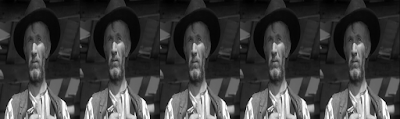
Can You Ever Forgive Me? is a terrific film about curmudgeon and biographer Lee Israel (Melissa McCarthy) becoming a forger of celebrity letters after having lost her job and writing a flop.
Richard E. Grant makes his triumphant return here with what has perhaps become his most noted role since his breakout turn as the titular Withnail of Withnail and I. Although it is fair to say the character of Withnail shares several similarities to his role of Jack Hock here, both roles certainly play to Grant's strengths as a performer, this is not a simple reprise of that performance, and not just because Grant/the character are thirty years older. Jack is a character of many, yet few trades, as we find during the film, but the name is perhaps most fitting to him as that of the bar fly. This is after all how he is introduced as he springs into some random bar where McCarthy's Israel is also drinking, rather early in the day. Grant's entrance is pronounced, as he enters with a spontaneous, rather endearing energy even in the way he summons a beer for himself. Where Grant had a certain flamboyance as Withnail, that was an act in the character, where in Jack, this is very much who Jack is, or at least must be. Although more on that later as first we must discover Jack on the surface, who we should, no must, be described quite simply as an absolute delight.
Of course he is an interesting sort to be sure as he and Lee Israel initially bond upon seemingly their mutual disregard of the societal mucketymucks. Although this perhaps far more towards Lee who recalls, with great affection, when Jack urinated on expensive fur coats at a party, which she holds in high regard as an accomplishment. Grant on the other hand portrays this devoted fascination towards Lee, perhaps to some sense as a writer on the fringes of high society, but there is perhaps more to that. Let's hold off on that though, as it is easy enough just to have some fun with Grant in the role here. His mannerisms he so naturally realizes as the bit of the show that is. Grant very much plays Jack as a man seeking more than a bit of attention, in his dramatic strides, great grin, and frequently grand gestures. It is not a hollow act though as Grant brings such a zest into every single movement. Grant plays it as much of a man seeking his own pleasure through these actions, just as he is trying to be noticed at the same time. Grant's performance captures this infectious energy that even as we discover more of Jack's less savory qualities, as his living seems to consistent of drug dealing and small time larceny, it is hard not to like Jack due to Grant's approach.
The purpose of his character though is to be the one companion of Lee which only seems possible given Jack's equally dubious position on the societal food chain, which in turn is one of the great joys of the film that being the chemistry between Grant and McCarthy. This being funneled through initially their mutual love of creating a bit of misanthropic havoc, and the certain pseudo disdain they have for each other that is also this connection for them as this understanding of each other. Although there are many of truths held, Grant and McCarthy emphasize this honesty of interaction between the two that makes the friendship work so well. What also helps is pitch perfect comedic timing between the two. This film is not an intended to be a broad comedy, yet there is such natural comedy is realized through the two's interactions. They just derive such authentic humor from their interplay with one another that is absolutely splendid at every turn. Whether it be Grant's oh so sincere swift affirmation of "mmmhmm", when Lee questions if he's really gay for not knowing who Fanny Brice is, or just in Grant's way of conveying his more than a little insincere support of Lee having left a partner, due to her former partner wanting her to care about anyone other than just herself. Grant's delivery of "the never" at the notion is just ever so perfect, just as every little joking moment between the two is as performed by he and McCarthy.
Of course what makes this performance so special, though really just being a delight would already be more than enough, is that the friendship between the two does mean more than a few laughs. This is brilliantly realized in just the very first scene, partially beyond his enthusiasm to speak with someone, but also when they initially part ways with Jack remarking his house is a few blocks down or so. The hesitation in his voice tells this to be a lie, as does the certain somberness Grant brings to his eyes as he turns to the city alone. Grant portrays carefully no real callousness in the relationship, even with the misanthropy involved in some of their actions, showing a thrill in the interaction, a thrill just of a connection to any one. There is one moment in particular I love as he visits Lee's apartment, along with her super, and a exterminator. All three initially flee due to the smell, which Jack too admits to as well that draws him away. Jack returns though and the way Grant delivers that he doesn't mind and will help her clean up, is with an understated yet wholly genuine tenderness of a real friend. Grant is great the way he makes every moment the two share, as something special in his eyes, even if he plays as Jack purposefully underplaying a bit. When he takes her to a drag show, Grant offers this pride and warmth, of a man just happy to share a moment with a mutual spirit. As Grant realizes so well in his performance that Jack is a very lonely man in heart, and craves interaction more so than attention. Although the flamboyant personality isn't fake, Grant creates as an essential part of Jack way of being away from his loneliness. A loneliness that probably is only assuaged by Lee as a friend.
Now we don't see his life really outside of his time with Lee, but there is a pivotal moment where he comes to Lee for aid after being beaten by likely a male prostitute he couldn't pay. Again Grant depicts such real sadness in his eyes, suggesting just life of quiet desperation. Unfortunately the vices of both eventually lead to their parting, especially after Jack accidentally kills Lee's cat, and they both get caught in the forgeries. They share one more scene together some time later, now that Jack has developed AIDS, and she is asking to use him in her autobiography. Grant and McCarthy again excel by showing the two picking essentially where they left off, though now appropriately a bit more guarded as they trade their insults. Grant brings the right coldness towards her that Grant effectively shows coming from her dismissive treatment of him, and as well a definite bitterness towards his fatal affliction. The two though again casually lifts it as they keep speaking, creating the sense of their friendship once again ever so briefly through a little warm insult once again. Jack agrees though does so with the request that she make him "29 with perfect skin" and to not make him "sound stupid". Although the request is comical, Grant's portrayal of the moment is absolutely heartbreaking, though also a little heartwarming in a way, as he wholly finds the sense of Jack sensing his impending death, and that is time is nearly gone though still holding onto something. This is an outstanding performance by Richard E. Grant as he takes a role, that could've been just a grotesque caricature in the wrong hands, and brings such a vivid life to him. To be sure, he's entertaining with his delicious approach to Jack, but also finds such honesty and true poignancy in his portrait of this man on the fringes of society.
Thursday, 24 January 2019
Best Supporting Actor 2018: Sam Elliott in A Star is Born
Sam Elliott received his first Oscar nomination for portraying Bobby Maine in A Star is Born.
Sam Elliott has long been a reliable character actor, however ever since his brief though notable appearance in The Big Lebowski, as the stranger/narrator he has received a certain iconic quality within cinema. In that if you want to get someone who just seems to embody some semblance of some sort of western Americana, Elliott is your man. This perhaps partially influenced Bradley Cooper casting Elliott as his brother. This casting you could almost call a bit of wish fulfillment from Cooper, as many would love the idea as Sam Elliott as their brother, even when the math doesn't exactly work out. Although to be fair Elliott being Cooper's brother is merely impractical and unlikely, not impossible, and who doesn't want that man with that iconic of a mustache and voice as their brother? Of course Elliott is currently in sort of another phase of his career, as he's recently being seemingly trying to find roles that allow others to see his acting ability beyond the voice and the mustache, in films like Grandma, and The Hero. One could potentially argue that his part as Bobby Maine, the brother of Cooper's successful though self-destructive rock star Jackson Maine, is a combination of a little of both.
Sam Elliott represents one of the major additions to this fourth version of the film with the inclusion of a brother for Maine. The character does have a slight comparison in the villainous handler in the previous versions, though all the negative qualities of the character has been switched to the Britush agent of this version's titular star, Ally (Lady Gaga). This grants a far personal connection between Jackson, and the man taking care of him, as they are bonded by blood. Now though Elliott sort of made his name as a presence, he is indeed a terrific actor. That's important as Bobby is very sparingly used throughout the film, and honestly given the brother's inclusion I do wish they expanded on the story line a bit. Instead we get sort of a rushed facet of the film where both were the son of a drunk, that Jackson still idolizes, and Bobby continues to take care of Jackson. Elliott though is a force to be reckoned with from his first scene where he reprimands Jackson's self care. Elliott brings the ferocity not of a an angry manager but rather a yet again disappointed older brother dealing with the same nonsense once again. Elliott is direct, and delivers every line with a quick incisiveness that establishes his relationship with Jackson instantly and effectively.
Shortly afterwards we see him in another setting as he takes care of a drunk Jackson. Elliott here bringing a real tenderness in his physical performance showing a clear concern for him, even as he expresses the same type of exasperation over the situation, however now properly tempered by Elliott. Their relationship soon comes to a head, probably too soon in a narrative sense, when Jackson finds out Bobby sold their father's ranch, leading him to violently accost his brother. Elliott plays the scene well, even if it could've used more build up, as he portrays his reaction as this anger tempered by sadness, as explains the worthlessness of the memory of their father while also stating his disdain for Jackson's life choices. Elliott again is terrific in being able to emphasize the love of the brother in his eyes, even while also conveying his delivery the disgust, particularly when Jackson dismisses Bobby's own life. This separates the two, and the film from Elliott for some time. He eventually reappears as a calmer reassuring force to support Jackson as he tries to recover from his demons. Elliott again attunes his performance so well in creating the sense of the relationship as in these scenes we just see the older brother not the manager. Elliott offers the right specific warmth in these moments as he shows Bobby showing his love for his brother, while also still recognition of their past difficulties. The one moment that breaks this is when Jackson recognizes that Bobby was the one he looked up to rather than their father. Elliott's reaction to this is shown only for a few seconds as Bobby is trying to back up his pickup truck to leave Jackson's house, yet it packs quite a punch as Elliott expresses completely how much that declaration meant to him as well as how much he really does care for his brother. Elliott appears only in one more scene, his only major scene interacting with Ally as the two of them reflect upon Jackson's ultimate fate. Elliott's work is again on point as he manages to find the right approach for the scene. In an overarching sense he delivers Bobby's words as comfort towards Ally, and in turn he tries to put up as supportive of a front as he can. Within that though Elliott realizes so naturally these moments of nearly breaking into tears, as he still conveys the love for his brother, though as a man trying to contain it for the sake of Ally. Although I do wish Bobby had been expanded within as a character, with a more gradually paced subplot, this is a strong turn by Sam Elliott as he makes the most of what he has and shows he's much more than a great voice and magnificent mustache.
Sam Elliott has long been a reliable character actor, however ever since his brief though notable appearance in The Big Lebowski, as the stranger/narrator he has received a certain iconic quality within cinema. In that if you want to get someone who just seems to embody some semblance of some sort of western Americana, Elliott is your man. This perhaps partially influenced Bradley Cooper casting Elliott as his brother. This casting you could almost call a bit of wish fulfillment from Cooper, as many would love the idea as Sam Elliott as their brother, even when the math doesn't exactly work out. Although to be fair Elliott being Cooper's brother is merely impractical and unlikely, not impossible, and who doesn't want that man with that iconic of a mustache and voice as their brother? Of course Elliott is currently in sort of another phase of his career, as he's recently being seemingly trying to find roles that allow others to see his acting ability beyond the voice and the mustache, in films like Grandma, and The Hero. One could potentially argue that his part as Bobby Maine, the brother of Cooper's successful though self-destructive rock star Jackson Maine, is a combination of a little of both.
Sam Elliott represents one of the major additions to this fourth version of the film with the inclusion of a brother for Maine. The character does have a slight comparison in the villainous handler in the previous versions, though all the negative qualities of the character has been switched to the Britush agent of this version's titular star, Ally (Lady Gaga). This grants a far personal connection between Jackson, and the man taking care of him, as they are bonded by blood. Now though Elliott sort of made his name as a presence, he is indeed a terrific actor. That's important as Bobby is very sparingly used throughout the film, and honestly given the brother's inclusion I do wish they expanded on the story line a bit. Instead we get sort of a rushed facet of the film where both were the son of a drunk, that Jackson still idolizes, and Bobby continues to take care of Jackson. Elliott though is a force to be reckoned with from his first scene where he reprimands Jackson's self care. Elliott brings the ferocity not of a an angry manager but rather a yet again disappointed older brother dealing with the same nonsense once again. Elliott is direct, and delivers every line with a quick incisiveness that establishes his relationship with Jackson instantly and effectively.
Shortly afterwards we see him in another setting as he takes care of a drunk Jackson. Elliott here bringing a real tenderness in his physical performance showing a clear concern for him, even as he expresses the same type of exasperation over the situation, however now properly tempered by Elliott. Their relationship soon comes to a head, probably too soon in a narrative sense, when Jackson finds out Bobby sold their father's ranch, leading him to violently accost his brother. Elliott plays the scene well, even if it could've used more build up, as he portrays his reaction as this anger tempered by sadness, as explains the worthlessness of the memory of their father while also stating his disdain for Jackson's life choices. Elliott again is terrific in being able to emphasize the love of the brother in his eyes, even while also conveying his delivery the disgust, particularly when Jackson dismisses Bobby's own life. This separates the two, and the film from Elliott for some time. He eventually reappears as a calmer reassuring force to support Jackson as he tries to recover from his demons. Elliott again attunes his performance so well in creating the sense of the relationship as in these scenes we just see the older brother not the manager. Elliott offers the right specific warmth in these moments as he shows Bobby showing his love for his brother, while also still recognition of their past difficulties. The one moment that breaks this is when Jackson recognizes that Bobby was the one he looked up to rather than their father. Elliott's reaction to this is shown only for a few seconds as Bobby is trying to back up his pickup truck to leave Jackson's house, yet it packs quite a punch as Elliott expresses completely how much that declaration meant to him as well as how much he really does care for his brother. Elliott appears only in one more scene, his only major scene interacting with Ally as the two of them reflect upon Jackson's ultimate fate. Elliott's work is again on point as he manages to find the right approach for the scene. In an overarching sense he delivers Bobby's words as comfort towards Ally, and in turn he tries to put up as supportive of a front as he can. Within that though Elliott realizes so naturally these moments of nearly breaking into tears, as he still conveys the love for his brother, though as a man trying to contain it for the sake of Ally. Although I do wish Bobby had been expanded within as a character, with a more gradually paced subplot, this is a strong turn by Sam Elliott as he makes the most of what he has and shows he's much more than a great voice and magnificent mustache.
Wednesday, 23 January 2019
Best Supporting Actor 2018: Adam Driver in Blakkklansman
Adam Driver received his first Oscar nomination for portraying Detective Philip "Flip" Zimmerman in Blackkklansman.
Blackkklansman is a good enough film following an African American cop, Ron Stallworth (John David Washington), infiltrating the Ku Klux Klan.
Adam Driver, who was perhaps the most consistently recognized aspect of this film throughout this awards season, actually has a fairly limited role in terms of scope of character, though large in terms of screentime. Driver portrays the most seasoned undercover detective who ends up working with Ron to investigate the Klan. We meet him initially as the two monitor a speaker with ties to black radicals. It is there that we come to know the character with Driver in the role. Now I won't go to speak to a German man again in Paterson New Jersey to cover Driver here, but Driver is an actor where there is a certain fascinating quality just to his normal presence. It's a little off-beat and intriguing by nature, which is a good thing for Flip who is a pretty straight forward character in the scheme of the film. We know him really just as a competent, devoted cop, who is casually a good guy. This is immediately evident on the debriefing on the speaker where Ron believes him not to be a threat, and Driver delivers Flip's agreement with this as a direct confirmation. This is not of some guy who is overly passionate, but rather just is firmly doing his job, as a decent man.
This remains much the same once he begins the investigation into the Klan with Ron. There is a touch of a dismissive quality towards Ron, though as a rookie cop not as an African American, that Driver delivers well as just a bit of dry ribbing such as when he remarks on Ron using his own name in order to establish contact with the Klan. In order to infiltrate it further though someone obviously needs to take Ron's place, which is Flip. Initially Driver just again hits the marks of professionalism as he preps for the job, and begins his work as an undercover man. Now in the undercover scenes Driver gets to stretch a bit more, though still in a limited sense as a man putting up a front. Driver though is very good in portraying sort of the duality within the character as he deals with the situation. In playing the racist, while actually being one of the targets of the Klan as a Jewish man. Driver realizes this sort of hollow passion, as brings the needed conviction to be believed by the Klan members, while in his eyes expressing no truth within the words. It's a delicate balance that Driver pulls off well as he is believable as an inside man, while also managing to let the audience in on Flip's own feelings on the situation.
Driver's work is important as in a way he facilitates a bit of the humor of the situations involving the Klan members stupidity, by giving such straight laced reactions, or attuned over reactions that Driver plays as sort of as these hidden bit of derision towards them. In this though the film never becomes about Flip truly, despite being the focus of so many scenes, leaving his arc about his Jewish heritage rather limited. Driver though still does some particularly fine work in realizing the little bit of this we are granted. The most notable instance of this being when he opens up to Ron about thinking more about his Jewish heritage. It's a strong scene from Driver as he makes less a grandiose statement, but rather realizes it as this rather subtle bit of self-reflection in Flip. There also a especially strong moment during Flip as fake Ron's initiation to the Klan. It is just his line delivery as Flip has to state being a non-Jewish pure Aryan race. Driver doesn't make it this hesitation, that would kind of give away the truth to the onlooking Klan members, but does find the right awkwardness alluding to Flip's discomfort even as he succeed in playing the part as the Klan member. That moment is essentially what Driver's performance is, which is a lot of strong little moments. We don't delve deeper into his self-reflection, nor any aspect of who he is beyond the investigation, being Jewish and a good man. Driver however makes the most of what he has to work with, and is especially important in helping the film's tone find balance with his careful and subtle work throughout.
Adam Driver, who was perhaps the most consistently recognized aspect of this film throughout this awards season, actually has a fairly limited role in terms of scope of character, though large in terms of screentime. Driver portrays the most seasoned undercover detective who ends up working with Ron to investigate the Klan. We meet him initially as the two monitor a speaker with ties to black radicals. It is there that we come to know the character with Driver in the role. Now I won't go to speak to a German man again in Paterson New Jersey to cover Driver here, but Driver is an actor where there is a certain fascinating quality just to his normal presence. It's a little off-beat and intriguing by nature, which is a good thing for Flip who is a pretty straight forward character in the scheme of the film. We know him really just as a competent, devoted cop, who is casually a good guy. This is immediately evident on the debriefing on the speaker where Ron believes him not to be a threat, and Driver delivers Flip's agreement with this as a direct confirmation. This is not of some guy who is overly passionate, but rather just is firmly doing his job, as a decent man.
This remains much the same once he begins the investigation into the Klan with Ron. There is a touch of a dismissive quality towards Ron, though as a rookie cop not as an African American, that Driver delivers well as just a bit of dry ribbing such as when he remarks on Ron using his own name in order to establish contact with the Klan. In order to infiltrate it further though someone obviously needs to take Ron's place, which is Flip. Initially Driver just again hits the marks of professionalism as he preps for the job, and begins his work as an undercover man. Now in the undercover scenes Driver gets to stretch a bit more, though still in a limited sense as a man putting up a front. Driver though is very good in portraying sort of the duality within the character as he deals with the situation. In playing the racist, while actually being one of the targets of the Klan as a Jewish man. Driver realizes this sort of hollow passion, as brings the needed conviction to be believed by the Klan members, while in his eyes expressing no truth within the words. It's a delicate balance that Driver pulls off well as he is believable as an inside man, while also managing to let the audience in on Flip's own feelings on the situation.
Driver's work is important as in a way he facilitates a bit of the humor of the situations involving the Klan members stupidity, by giving such straight laced reactions, or attuned over reactions that Driver plays as sort of as these hidden bit of derision towards them. In this though the film never becomes about Flip truly, despite being the focus of so many scenes, leaving his arc about his Jewish heritage rather limited. Driver though still does some particularly fine work in realizing the little bit of this we are granted. The most notable instance of this being when he opens up to Ron about thinking more about his Jewish heritage. It's a strong scene from Driver as he makes less a grandiose statement, but rather realizes it as this rather subtle bit of self-reflection in Flip. There also a especially strong moment during Flip as fake Ron's initiation to the Klan. It is just his line delivery as Flip has to state being a non-Jewish pure Aryan race. Driver doesn't make it this hesitation, that would kind of give away the truth to the onlooking Klan members, but does find the right awkwardness alluding to Flip's discomfort even as he succeed in playing the part as the Klan member. That moment is essentially what Driver's performance is, which is a lot of strong little moments. We don't delve deeper into his self-reflection, nor any aspect of who he is beyond the investigation, being Jewish and a good man. Driver however makes the most of what he has to work with, and is especially important in helping the film's tone find balance with his careful and subtle work throughout.
Tuesday, 22 January 2019
Best Supporting Actor 2018: Sam Rockwell in Vice
Sam Rockwell received his second Oscar nomination for portraying George W. Bush in Vice.
Now on paper Sam Rockwell seems like a great choice for the former president with a specific energy as a performer seeming a proper match for the particular style of Bush. Well if you're looking at the result of great casting look elsewhere, not so much due to Rockwell's performance mind you, he's just barely in the film to be honest. Vice's main intention is a film to tell us how horrible Dick Cheney (Christian Bale) is as a person, politician, and the destruction he inflicted upon American if not mankind in general. Writer/director Adam McKay makes him as much a boogeyman as a person, to the point of an extreme simplification of history. This idea was touched upon by Oliver Stone in the better, though far from great, W., but even the notoriously unsubtle Stone granted a bit of nuance to the subject. That's not the case here to the point that the actual president during Cheney's reign as vice president is an after thought. This is as McKay views Bush solely as a puppet for Cheney to control, and so the former president and Rockwell are regulated to a few brief scenes.
One being a quick moment as the black sheep of his own family being drunk at a white house party. Honestly we barely get to see what Rockwell is trying to do in the scene as the glimpse is so brief. There is nothing to scoff at, because why scoff when there's nothing there. Let's jump ahead then to the cleaned up Bush running for president, inviting Cheney to be his VP, inter spliced with fishing footage, because GET IT he's reeling him in, thanks MCKAY!!! I wouldn't have known otherwise. Although because of that we still barely get to see what Rockwell is doing, but now it is clear enough to notice him. Rockwell whips out a bit of the rolling speech of Bush with a Texas twang, with the casual physical manner thrown in. We can barely hear this though as the scene is interrupted by Cheney's internal monologue just as we are by the film's obnoxious editing style. Again he's there but we barely even get a sense of the character. It's been called an SNL impression, which is not completely inaccurate (though slightly), but I'd say that is not Rockwell's fault. The problem is he only gets some scant unimportant lines speaking in generalities for Cheney. This makes it so we can only see the mannerisms, he's doing. He's not doing them poorly, the funny thing is, he's not trying to really be funny. He's trying to realize the character it seems, but the film's against him. The same occurs as he asks Cheney again, it's presented in the same obnoxious way, and again Rockwell is strangely in the background the whole time. In the situation room to determine how to react to 9/11, Rockwell is again forced to just sit and stare. He's got a fine, "I'm concerned" face going, but sadly again we barely get a sense of him. Rockwell manages a bit in portraying an unease and lack of certainty. Finally we get the most Rockwell is allowed to do in another discussion on the invasion of Iraq. Again the focus is on Cheney's manipulations, and in a rather simplistic way. Rockwell though delivers his line with a bit desperation showing the need to stand up to his father's legacy. The sense of it is there is in his performance, so good job there. I have seen some real negativity towards this performance, to which I'd say why? He's simply barely in the film. We only get a glance at him, so honestly what he's doing with Bush physically and vocally can't really "settle" for the viewer. He hits his marks, he hits the requisite emotion, and that's about it. The whole thing feels more like Rockwell's audition to play Bush, rather than him actually playing the part. I mean I'd certainly give him the call back, but I'd try to give him some better scenes to work with once the film starts shooting.
Now on paper Sam Rockwell seems like a great choice for the former president with a specific energy as a performer seeming a proper match for the particular style of Bush. Well if you're looking at the result of great casting look elsewhere, not so much due to Rockwell's performance mind you, he's just barely in the film to be honest. Vice's main intention is a film to tell us how horrible Dick Cheney (Christian Bale) is as a person, politician, and the destruction he inflicted upon American if not mankind in general. Writer/director Adam McKay makes him as much a boogeyman as a person, to the point of an extreme simplification of history. This idea was touched upon by Oliver Stone in the better, though far from great, W., but even the notoriously unsubtle Stone granted a bit of nuance to the subject. That's not the case here to the point that the actual president during Cheney's reign as vice president is an after thought. This is as McKay views Bush solely as a puppet for Cheney to control, and so the former president and Rockwell are regulated to a few brief scenes.
One being a quick moment as the black sheep of his own family being drunk at a white house party. Honestly we barely get to see what Rockwell is trying to do in the scene as the glimpse is so brief. There is nothing to scoff at, because why scoff when there's nothing there. Let's jump ahead then to the cleaned up Bush running for president, inviting Cheney to be his VP, inter spliced with fishing footage, because GET IT he's reeling him in, thanks MCKAY!!! I wouldn't have known otherwise. Although because of that we still barely get to see what Rockwell is doing, but now it is clear enough to notice him. Rockwell whips out a bit of the rolling speech of Bush with a Texas twang, with the casual physical manner thrown in. We can barely hear this though as the scene is interrupted by Cheney's internal monologue just as we are by the film's obnoxious editing style. Again he's there but we barely even get a sense of the character. It's been called an SNL impression, which is not completely inaccurate (though slightly), but I'd say that is not Rockwell's fault. The problem is he only gets some scant unimportant lines speaking in generalities for Cheney. This makes it so we can only see the mannerisms, he's doing. He's not doing them poorly, the funny thing is, he's not trying to really be funny. He's trying to realize the character it seems, but the film's against him. The same occurs as he asks Cheney again, it's presented in the same obnoxious way, and again Rockwell is strangely in the background the whole time. In the situation room to determine how to react to 9/11, Rockwell is again forced to just sit and stare. He's got a fine, "I'm concerned" face going, but sadly again we barely get a sense of him. Rockwell manages a bit in portraying an unease and lack of certainty. Finally we get the most Rockwell is allowed to do in another discussion on the invasion of Iraq. Again the focus is on Cheney's manipulations, and in a rather simplistic way. Rockwell though delivers his line with a bit desperation showing the need to stand up to his father's legacy. The sense of it is there is in his performance, so good job there. I have seen some real negativity towards this performance, to which I'd say why? He's simply barely in the film. We only get a glance at him, so honestly what he's doing with Bush physically and vocally can't really "settle" for the viewer. He hits his marks, he hits the requisite emotion, and that's about it. The whole thing feels more like Rockwell's audition to play Bush, rather than him actually playing the part. I mean I'd certainly give him the call back, but I'd try to give him some better scenes to work with once the film starts shooting.
Best Supporting Actor 2018
And the Nominees Are:
Adam Driver in Blackkklansman
Mahershala Ali in Green Book
Richard E. Grant in Can You Ever Forgive Me?
Sam Elliott in A Star is Born
Sam Rockwell in Vice
Adam Driver in Blackkklansman
Mahershala Ali in Green Book
Richard E. Grant in Can You Ever Forgive Me?
Sam Elliott in A Star is Born
Sam Rockwell in Vice
Subscribe to:
Posts (Atom)


