Showing posts with label 1961 Alternate Best Actor. Show all posts

Saturday, 29 April 2023

Alternate Best Actor 1961: Results

5. Franco Citti in Accattone - A convincing performance as a rough pimp, though I never was fully brought into this performance or character however. 

Best Scene: The ending. 
4. Peter Finch in No Love For Johnnie - Finch gives a good performance even if he never quite made me care about Johnnie (sorry Johnnie me too). 

Best Scene: Visiting his lover at home. 
3. Alberto Sordi in A Difficult Life - Sordi gives a wonderful portrayal of the different sides of a man as he attempts to make through his way through life as he does. 

Best Scene: Final reuniting. 
2. Peter Cushing in Cash on Demand - Cushing gives a convincing portrayal of a man turning around his stubborn ways through unlikely means while also keeping a sense of danger throughout an odd heist. 

Best Scene: Getting "caught". 
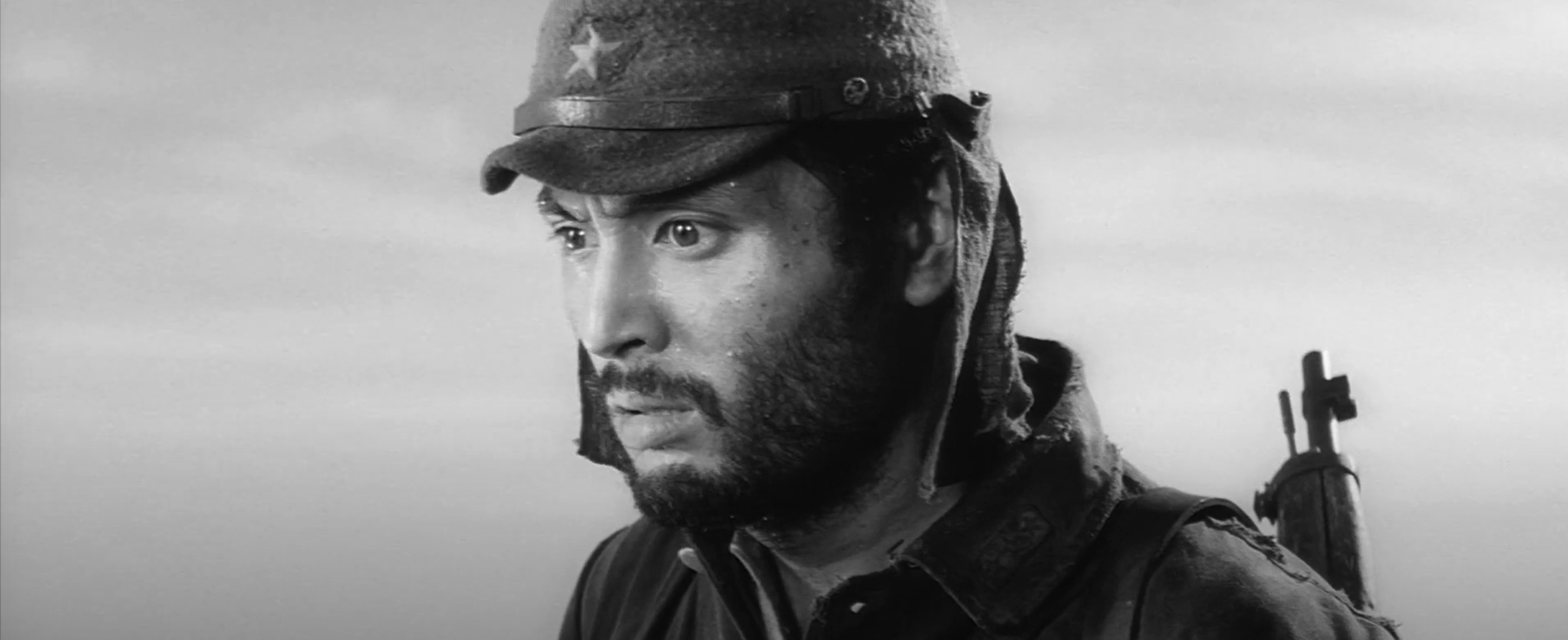
1. Tatsuya Nakadai in The Human Condition III: A Soldier's Prayer - Good prediction Shaggy. Nakadai gives one of the most heartbreaking depictions ever given of a man desperately trying to survive while desperately trying to hold onto a modicum of humanity. 

Best Scene: The Prayer. 

Next: 1961 Supporting

Alternate Best Actor 1961: Franco Citti in Accattone

Franco Citti did not receive an Oscar nomination for portraying Vittorio "Accattone" Cataldi in Accattone. 

Accattone follows the titular pimp as he tries to move on after his prostitute who supported him is arrested.

Not quite realistic with some of the stylistic fantasies of sorts that happen later on, however none the less overall the realism is the approach and is the character known as Accattone played by Franco Citti. Citti's performance is very much like a character who fits the bill, not someone of some hidden beauties rather a very rough man who is existing in this particular world of his. Citti's performance certainly feels lived in, as we enter with him just lounging around as he does with the other men in his slummy existence, and Citti brings a kind of innately bawdy manner of the man engaging in the "Second? World's oldest profession". Citti though isn't someone who leaves you surprised or second-guessing as we see the man engage in his particular flesh trade which is not at all pleasant or sugar-coated here. Nor does Citti sugarcoat his treatment of his prostitute, he's a blunt and rough pimp in his manner and Citti emphasizes this in his performance. There's not some innate goodness, he's a thug pimp through and through. 

After his abhorrent activities lead to him being out of his prostitute, Accattone is forced to fend for himself which leads him mostly to drift around Rome with some slight intention of trying to find a replacement but really just more often just existing around his people as he does. And here is where I suppose the challenge of the performance is because Accattone isn't particularly likeable so why should we care about him drifting exactly? Well, I don't exactly, however, I wouldn't say this performance is a failure even if a more charismatic performance overall might've made me like the film more on the whole. Citti's performance does work as being convincing to this character and I guess there is something interesting about truly not being beyond what he is in some ways, even as there are some delusions here that he has about his existence. And while I don't think that truly shows hidden depths Citti does use these moments to suggest some depth within his performance, even if in a way that is still keeping Accattone not all that much more than you would've pegged him to be from the start. 

Citti's performance is convincing and that is worth something in terms of portraying the man going along and seemingly just engaging in nonsense that doesn't give him particular purpose even in his adventure to try to find the new prostitute. Citti presents this really more half-heartedly even, and while that might sound low energy, I'd say even that is with purpose. And again while not always aggressively engaging, it certainly never feels dishonest either. The man just prodding along in his sort of malaise is convincing as such and never feels at odds with anything aspect of the film. Citti's performance does work as such, as you do very much believe you are watching this pimp fall into a kind of aimless nothingness as he goes as he does without seeming to truly find anything of note to do with his existence. And I'll say while I certainly did not love this performance by any measure. I won't say that it doesn't remain somewhat intriguing nonetheless, even if it only engaged me up to a certain point. 

Saturday, 15 April 2023

Alternate Best Actor 1961: Tatsuya Nakadai in The Human Condition III: A Soldier's Prayer

Tatsuya Nakadai did not receive an Oscar nomination for portraying Kaji in The Human Condition III: A Soldier's Prayer. 

A Soldier's Prayer is the final chapter in Masaki Kobayashi's outstanding trilogy about one man attempting to exist in the totalitarian society of Japan during World War II.

Each film of this incredible trilogy presents a different challenge to the notion of trying to remain decent, trying to keep one's humanity within a system, a country, a time, and a world where indecency and inhumanity rule. Tatsuya Nakadai's Kaji is the center of this terrible challenge that began in the first film as he attempted to humanely run a workcamp in China, a place where cruelty was the defining order, in the second film he attempted to be a "good" soldier in a horrible system where mistreating even their own recruits was a standing order, and in this final film, we open as Kaji is no longer within the confines of restraint of systematic cruelty, but rather in the fire of the chaos of a wartorn land. We open as Kaji a couple of other soldiers managed to survive the onslaught of the Soviet army and now are attempting to trek towards any kind of safety within what is believed to be Japanese-occupied China. And even in these earliest of scenes, the power of Nakadai's performance is relevant in giving one of the most accomplished transformations of a single performer through a series of films by showing us who Kaji is at the opening of this film compared to who he was at the opening of the trilogy.

His performance in the first film was that of the idealist despite everything that happened, and in the second film, there was more of the realist idealist, a man attempting to be good while dealing with the bad as honestly as he could. In the third film though so much of what he was is thrown out, while the brilliance of Nakadai's work is it feels so naturally honest to the experience of the character we had met at the start to who he is at the beginning of the end. Nakadai in fact is only 2 years older than when he starred in the first film but feels much older, and not due to his facial hair, but rather his expression that denotes the trauma of what he's gone through but more importantly what he is presently going through. This is a man who is no longer attempting to maintain this certain grace as the idealist living through this oppressive system, he is now a man trying to survive. Nakadai's performance internalizes this so powerfully early on in the film as the first act, to save himself and a few other soldiers, including the young Terada (Yusuke Kawazu) who looks up to him, is to kill a Russian soldier in order for them to get by. While formerly torn up in his murder, Nakadai now shows on the immediate surface the ability, really the function Kaji now has to kill, even if his eyes do denote still the pain deep within the man, mournful over what he has had to become. 

Nakadai gives what is truly a performance with the sense of survival as Kaji takes the lead among himself and a few other soldiers, despite not being the highest rank, as they attempt to find some kind of safety. And his performance is reflective of the condition of this state immediately. The sense of danger, the sense of death even is a constant in Nakadai's manner, he is someone who carries with him the caution within him, but also this striking persistence that seems a near constant within the man despite the severity of his situation. Nakadai accentuates every moment of this journey, along with Kobayashi's masterful direction, as the men try to push through. The sense of really an innate exhaustion is part of his performance and really just brilliantly performed in every regard as Nakadai simply is this. It is the state, although Kaji at this moment seems to be most able to survive, he is also very much within this situation at all times. He is being worn down, but he must persist. Nakadai's performance just so flawlessly realizes this specific dichotomy as he shows that Kaji is a man thriving, in as far as a man can thrive in such a wretched situation. The situation becomes all the more painful when the trio comes across a random group of Japanese civilians. 

This sequence, where the group is lost in a dense seemingly endless forest, is honestly one of the most harrowing put to film, as you see the group in such desperate straits that the civilians are just dropping like flies throughout the sequence in a way that is so matter of fact which makes it so painful. Nakadai throughout this scene shows how Kaji both has changed and stayed the same throughout this personal journey in the three films in his interactions with the civilians throughout. Because in part there is the blunt manner of a man who has to survive in this place, and when one group attempts to steal the parties food, Nakadai's intense dismissal against her pleas borders upon cruel, yet he delivers each word of thought as the truth of the situation, as a man who knows to allow such choices would lead to the death of all. Nakadai shows in some ways a distance in his eyes even when hearing about one of the deaths after another, his reactions are pitch perfect though because they aren't completely soulless, rather just adjusted to a difficult-to-penetrate shield of the man who must be callous in some ways to avoid dying, And there is still humanity in there, even if it is more intimate, more subtle than it is ever been, Nakadai still conveys it as within Kaji even if nearly dormant. A particularly affecting moment in this regard is when one of the women reminds him of his wife, and Nakadai's way of sort of drifting to the old Kaji in his expression is so heartbreaking because you see it but a momentary lapse into dreaming. 

Surviving the forest with few other than his soldiers, the men do appear to find some safety, albeit momentarily, however just as quickly find themselves right into the fire as the local Chinese have organized militias against Japanese soldiers, and still yet there are Japanese soldiers who firmly believe in their cause. Nakadai is amazing in these standoff scenes because he so naturally shows the growth of Kaji into a true leader as he faces off against one of the Japanese men, and throughout we see this different side of him which Nakadai flawlessly performs. That is in some ways Kaji is the leader of the people; Nakadai delivers this innate strength and conviction to every moment. His eyes become the man of action and Nakadai is wholly convincing in a way of portraying how these ordeals have at this moment strengthed Kaji as a man in some ways. There is a power to him as he manages to talk down to a pompous Japanese soldier and you see the man mixed with survival and idealism. The man who speaks his words as the truth, though now with a specific action to try to avoid the nonsensical continuation of the war and instead attempt to try to get home to his wife. There is a ferocity in Nakadai in these moments that creates a real sense of power even in a moment of seeming hopelessness. Hopelessness is persuasive as they quickly go right back into the fire facing off against the Chinese, who kill the last surviving peasant. Nakadai's great in showing in one moment the persistence in Kaji as he maneuvers around the war scape, bringing you into every moment of it through his moment, while also being devastating in his reaction to losing the woman he had some connection with. Nakadai in this instance shows the earliest Kaji in the pain in his reaction, but also where Kaji has gone in the violence in searing in his eyes as he considers revenge. 

And Nakadai's work is outstanding here in its ability to so reflexively interact with every situation, which manages to convey the heartbreak or horror of it, while often presenting the intensity and chaos. Nakadai never is lost, even if Kaji technically is, creating such a potent centerpiece that is this essential anchor to the film. Take a moment where Kaji, along with the other soldiers, escorts two refugees and Nakadai brings such a strict sincerity in his interactions with the young woman. His performance in the moment of respite brings again a beauty to humanity, albeit briefly however the gentleness is so powerful because you see this return to the man he was, and garners a real poignancy. Similar, though less poignant, is when he briefly talks politics with old friends as he questions a group of Japanese attempt to join the Americans in helping the non-communist Chinese forces, and for a moment you get a glimpse of the student, the socialist and pacifist in his pondering. Of course, such things are cut short when he learns that some of the escorting soldiers probably raped and maybe also murdered the young woman after he left. Nakadai's extraordinary because every time his performance shows you the pain in this unfortunate return back to the present horrors, and the intensity of his distaste is again the man hardened by war. Nakadai shows with so much power the outrage that conspires in Kaji as he goes about beating the man down. Nakadai in his performance alone creates the real tragedy of the story because within it is the human condition as we see that glimpse of the man perhaps finding hope again, only for it to be dashed again by the cruelty of the time and place that he exists in. 

This would maybe be enough for Nakadai to give a great performance, and he has, as we get to the end of seeming the journey as the man is the leader to the men as he goes to a refugee of Japanese women, and attempts to humanely figure out what to do next. Nakadai in this sequence brings a distinct stoic quality that defines the man by his determination to get home more than anything and maintain any decency he has left. Even as he frustrates others with his candor Nakadai exudes this with an honest conviction. There's a great moment where the Russians come calling and while Kaji is ready to battle, in his eyes it is the side of a man hardened by war, ready to kill, until one of the refugee women asks everyone to avoid violence, Nakadai's reaction is perfection in showing Kaji's conscience catching up with him and pulling back from that brink. Unfortunately, capture does not mean Kaji's troubles are over as he finds himself in the stay of the Soviets, who slide around in their compassion, meanwhile, Kaji tries to save the young Terada, which quickly gets him into hot water with the authorities, particularly because he isn't at all helped by the extremely corrupt Japanese "translator" who relays all his messages inaccurately often purposefully dishonestly. And while Nakadai's reaction initially is of the man still going along, still surviving, things only are exacerbated as he finds himself under the thumb again of the corrupt Japanese officers now used to police their own men though under Soviet watch, including the rapist that Kaji had beaten down earlier. 

We have a brilliant sequence for Nakadai as he attempts to negotiate and explain his actions, where he has been stealing minor things for survival, to the Soviets with the "help" of the bad translator. Nakadai's work in this scene is one of the greatest portrayals of frustration I've seen quite honestly as throughout the scene you see the man's passion for life, decency, and even politics waning away to his seemingly uncaring audience. His eyes slowly become more and more lost as it seems his words becoming meaningless, and his delivery goes from passionate, to frustrated to just becoming lost. His whole manner crumbled before the audience and just a man falling nearly into insanity, only getting a reprieve from a somewhat sympathetic Soviet officer who attempts to give him a lighter punishment. Unfortunately, the light punishment proves tragic as it takes him from being able to protect Terada. An important note to be their older/younger brother relationship throughout the film that is particularly striking in the prison scenes. Nakadai brings the last of Kaji's warmth and optimism as he encourages the younger man to survive and tries to help him see potential in the future. Terada though is essentially overworked and brutalized to death by the rapist, and with that, you have Kaji's breaking point. Nakadai now shows a man with conviction but without real hope in his eyes. His delivery is cold in a way that is disturbing as his intention to run from the camp to reunite with his wife no longer seems practical, rather it seems fatalistic. Before he attempts his escape though he first kills the rapist, and while it couldn't have happened to a worse person, Nakadai's performance though doesn't sell it as something easy to reckon with. Rather he delivers this fierce hatred of everything he's been outraging against, the humanity of the man nearly gone as he rages against the man for his lack of humanity. Nakadai is terrifying by showing any warmth left from Kaji as he cuts the man down, destroying him without mercy or pity. This leaves Kaji final march to attempt to get home and to describe Nakadai's work as stellar in this sequence seems an understatement. Nakadai is astonishing every step of the way, and in what is essentially a silent performance, other than his narration which is the repetition of this belief that he can get home. Nakadai's face becomes this state of ever-growing madness in his eyes and his manner as he slowly decays before us. In every frame, Nakadai loses some sense of self and some greater exhaustion. His performance shows in nearly real-time the decay of the man both in mind and body and it is an unforgettable sight as he loses himself. Nakadai is unbelievable as he brings us to the point of mutual breaking that couldn't be more heartbreaking, as his eyes seem to find this state of jubilation as he believes himself to be back home, while his whole physique is that of a dying man. His final moment of falling into his snowy grave is one of the most poignantly depicted losses of life ever onscreen. An extraordinary end to an already extraordinary performance, because Nakadai here he does show us the journey of this man, but potentially any man, attempting to be the best of humanity, while falling to the worst of it by the end. 

Saturday, 1 April 2023

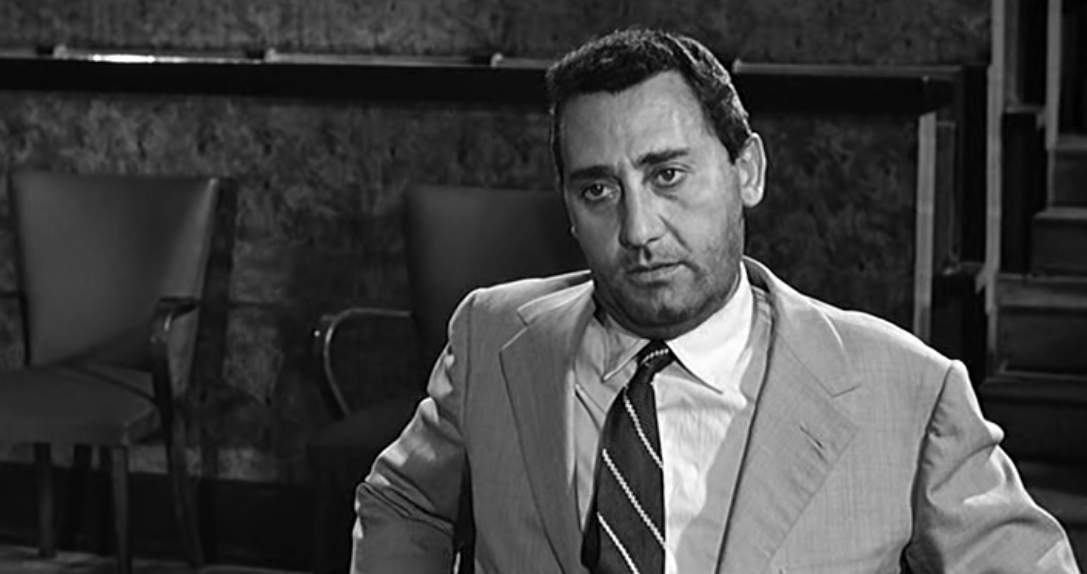
Alternate Best Actor 1961: Alberto Sordi in A Difficult Life

Alberto Sordi did not receive an Oscar nomination for portraying Silvio Magnozzi in A Difficult Life. 

A Difficult Life follows a communist journalist as he moves through life and much political upheaval in Italy starting from the end of World War II. 

This is the third time I'm covering an Alberto Sordi performance, and glad to do so as he has a one-of-a-kind presence onscreen. He's pretty fascinating in his innate presence because he very much looks the part of and has many traits of the comedic leading man. And while that is true, that is but the surface of his talents. It offers though an unlikely presence that also offers a very welcome idiosyncrasy by going through certain stories with such an original character. That is particularly true in this film's case as we follow Silvio in the opening of the film as part of a partisan group attempting to fight the Nazis near the end of World War II. And in these subsequence scenes, we get really what makes Sordi special. Because as this "hero" for us to follow we do get a definite reality upon his expression in the opening, showing a man in an innate state of desperation as he deals with unrelenting oppression, but we quickly see what Sordi can do beyond such overtures. 

His Silvio attempts his escape but soon is captured by a German soldier who intends to execute him. This sequence even is half a serious situation but also a comedic one because the way in which he gets caught is almost a "they're standing right behind me aren't they moment". This reasonably sounds ridiculous or tonally out of place, but it works because Sordi makes it work. Sordi's performance is able to convey desperation but he is also able to as naturally bring this quick instance of levity that makes the maneuver work. Sordi's wonderful because he *does* play into the comedy, but he does it in a way that also feels just so natural. He makes Silvio just naturally funny in a sense and by doing so makes it so for him to be funny in a situation, which just feels right rather than feeling out of place in any way. Sordi is able to not lose either side of the tone, instead blending them beautifully which is what can make a performance ideal given the material simply wouldn't work without Sordi's delivery of it at this moment. 

A defining twist of fate is when Silvio is saved at the last moment by a local woman Elena (Lea Massari) who kills the Nazi to save him and then hides him away. Although the initial encounter is that of mutual survival, which Sordi presents as just a very straightforward graciousness it soon switches to a romantic situation as the two come together as Silvio stays hidden away. The chemistry between Massari and Sordi has an innate richness about it, that isn't exactly simple warmth or love, yet the affection between the two is striking even as it is imperfect. They create the right sense of attraction even as the relationship from the outset is far from perfect. And we see this as soon as Silvio's partisan buddies are nearby he attempts to leave her to join back up. Sordi portrays this moment with a kind of naivety in the manner of just seemingly being a man without responsibilities and their romantic entanglement suddenly meaning less in an instance. Sordi is essential to this because he makes this pigheaded manner somehow not entirely off-putting but continues to have this hapless charm about him even when he is being a completely hapless fool. 

After the war though Silvio wants her back, and in the scene of asking her to marry him you are granted a sense of such sincerity in Sordi's performance. There he brings no sense of manipulation just care and genuine love at this moment. You sense the connection between the two which becomes an essential facet of this film. Because what we see really is not Silvio going through these political upheavals but specifically how he is going through them with his wife. This includes an extended scene where the two join a politically opposing dinner and sit and hear about the political shift. And I love the quiet sense of the pair of the two just in the way they are of a unit, a real duo at this moment, and the two are wonderful together in showing solidarity in this instance. Unfortunately, that doesn't last long as Silvio is arrested for his political activism shortly afterward, missing the birth of his child and even losing his newspaper job. Again powerful is the naturalism that he and Massari strike up in tandem. They just feel real together, in the moments of frustration with a crying child in a cramped apartment, to the joy of seeing their child recover from a serious illness. There is never a disconnect between the bitter and the sweet, the two create this natural flow of to people living life that is just wonderfully realized by both Sordi and Massari. 

I think what you see with Sordi's work, in general, is living in a particular way, which is that life isn't one tone, because this is an entirely convincing performance, even while very funny. There is a great scene for example where Silvio attempts to pass a verbal exam at university. Sordi is able to be very funny as he attempts to glance at the answers, however, in the same moment, his face creates such an easy empathy in the sorrow and frustration as he realizes how out of his depth in the moment. His delivery of Silvio's pleas for understanding is that of genuine passion, but again all in a moment that all feels natural as one. Sordi never loses his step and is impressive just how much he embodies the tone with such ease. Of course, this failure finally leads to a full breakdown of his relationship with Elena, where she leaves due to her dismissiveness towards her desire for stability. Leaving us with the misadventures of Silvio as he attempts to make something with his novel "A Difficult Life". Doing his sort of bumbling through life, finding some success, much failure, and seeing even his family growing up and perhaps even moving on. Sordi's performance is essential, because he is charming, he is funny, even when Silvio's actions are that of a fool, but also just because it all feels wholly honest to the character he has made so tangibly real. This is to the point when his behavior is of a boomerang, he doesn't completely lose you. And again, it is Sordi's ability to play the two sides, because as much as he's a proper jerk when diminishing Elena, his plea of honest care for her feels as sincere. In the end Silvio is a bit of a pathetic fool, but a rather endearing one thanks to Alberto Sordi.

Thursday, 23 March 2023

Alternate Best Actor 1961: Peter Finch in No Love For Johnnie

Peter Finch did not receive an Oscar nomination, despite winning a BAFTA, for portraying Johnnie Byrne in No Love For Johnnie. 

No Love For Johnnie follows an MP as he struggles with love and his political career. As the Labor party refuses to give him a cabinet position and his wife leaves him. 

A quick sidebar I will say the more I see from Peter Finch the more I am impressed by his career-best work in Network, if only because this has been a bit of a reverse-engineered look, where I started with his final and best feature film performance, and have retroactively seen what his more expected presence was. This is to the point, I imagine if I had gone in the opposite direction I likely would've said "I didn't know he had THAT in him in" regarding his final film. Because the rest of his work, while consistently good and often more than that, fits much more within a certain type of somewhat repressed Englishman, dealing with emotional turmoil in a rather subdued way, as seen in Far From the Madding Crowd, Sunday Bloody Sunday, Girl with Green Eyes, and I'm sure more than that. No Love For Johnnie fits right into that ilk, as we enter into the film as we meet the middle-aged man trudging along in his existence, noted because of his political status, though that seemingly goes only so far. 

I'll say perhaps a flaw with the film itself is how it limits our sympathies with Johnnie, I mean come on, young Billie Whitelaw is into you, and she's literally a stairwell away, and you DON'T GO FOR THAT, get your stuff together Johnnie! I mean...uh we don't get really any of the men before this current situation, we get some mentions but even those are limited, so we start with the man in his hole, which is a bit of a curious start. The most we get before this is a brief interview with Johnnie over his party's success, and Finch delivers it with a politician's direct overtures and sort of muted emotion. He presents Johnnie as the statesman even as he suffers disappointment in not being selected for the "front row" and any kind of important position in the government. Finch portrays this rejection with a quiet resignation over the disappointment rather than any kind of more extreme heartbreak. His Johnnie as a politician seems set within a certain line of experience, of a man never quite where he'd like to be, but as someone who managed to be somewhere. 

We follow Johnnie home where his wife announces she's leaving him, and Johnnie is left alone, despite again his upstairs neighbor being quite eager to comfort Johnnie. Again what we see in Finch's performance is mainly resignation over this fact as he just seems to exist within this general sorrow, though honestly only turns to overt frustration when Whitelaw's Mary tries to comfort him. There we see a very aggressive side to the man, one that isn't all that pleasant honestly, and decreases any sympathies one can have for the man, even if he does halfheartedly apologize later on. Finch's performance I should say isn't the issue I have in this, mostly, in that everything he is depicting feels authentic, and in that sense, he makes Johnnie feel real, even if real in the sense Johnnie's isn't someone I'd particularly like to give my time or attention to. I would say perhaps another actor could've had more overt charm, which would've created a more inherent sympathy, even with the character's flaws, that isn't really the case for Finch whose general presence is fairly cold. 

Johnnie's journey is about attempting to reclaim love and his political life, one by dating a young model and the other by attempting some minor disruption of his party. In both, Finch is entirely convincing, albeit not entirely compelling in depicting both of these aspects. We see him in the depiction with the younger woman where Finch presents the sort of dormant lust in the man, and a bit more human desperate need for affection from the woman. Contrasting that as the politician we do get shades of a man a bit shrewder in his methods, whereas Finch does have this sort of precise delivery and manner as per expected of a man deep within the system. Again in both Finch does make the struggle feel real of the man filled with the need for happiness as he pours out all he's got towards the young woman, and contrasting that determination of the man trying to regain his power as best he can. I'll admit as much as I found Finch made all this believable, all this feel real, I just still didn't really care about Johnnie or anything that was going on with him at any point. And I can care about some reprehensible characters if compelling enough, but Johnnie isn't quite there. 

Part of this disconnect for me I do think is that we come into Johnnie with this perspective, where we are barely given a sense of the passion that put the man into politics. This is touched upon very briefly, and Finch has little to work with in terms of establishing this as something more substantial within his performance. The fact that he's even a further left labor politician feels cursory because what the man really stands for doesn't really come up. The most we get otherwise is Johnnie explaining his old struggles with his wife who never shared or showed that much affection for him. Finch is certainly good in the scene in showing the old pains as something that is quite severe in his manner, as tension in his eyes as something he's held onto for some time, but also something he just continues to live with it, even in pain. We see the slow defeat of the man, who has apparently been defeated personally all his life, as the title says there's "No Love for Johnnie". Finch depicts this breakout effectively enough as this breakdown of self-pity, with the emotion of it feeling real, though again still the emotional impact on me, as a viewer stays quite limited. Johnnie never becomes someone I terribly find all that engaging to explore, so he just kind of exists as he is. So when he finally finds some success, with a key conflict within, I personally just felt indifferent. And is this Finch or the writing? Well, mostly the latter I think, which I don't think does Johnnie any favors throughout because I do think the film needed more meat within the character's passions and his loneliness. Finch on the other hand does what he can, and does deliver a good performance, though I do feel strangely limited by shortcomings of that script. 

Saturday, 18 March 2023

Alternate Best Actor 1961: Peter Cushing in Cash on Demand

Peter Cushing did not receive an Oscar nomination for portraying Harry Fordyce in Cash on Demand. 

Cash on Demand is a slight but effective thriller about a bank robber forcing a bank manager to comply with his robbery.

With the Christmas setting and the lead being a money lender, this film is in a strange way kind of reworking of the Scrooge story with Peter Cushing getting his chance to play Ebenezer Scrooge in a roundabout way as the then-modern bank manager Harry Fordyce. Peter Cushing is known best for his role in Star Wars or in various horror films, where he plays on some variation of chilling, kindly, or chilling while being kind. This is a completely different kind of performance from him as Harry Fordyce is just a man, and gives Cushing the chance to very much accentuate different aspects of his screen personality than one often sees from him. Even in the opening of the film where we see Fordyce go about his duties, it is notable that while this could've been the note for a classic cold Cushing note, Cushing actually makes much more of a variation here than that. His performance is actually almost entirely dissimilar, despite being quite effective with that known Cushing chill, this is a much more human depiction of a cold man.

And what that really means is that Cushing very much wants us to meet the manager Fordyce as a particular man but also in many ways a normal man as he comes into the bank. He has an uncaring expression about him, however an uncaring expression of a man who just doesn't care about anything other than doing his job. Cushing stare isn't penetrating rather it is just uncaring and focused upon his position. His delivery toward everyone in the bank is with a careless disregard and just a focus on business. Cushing modulates his work effectively though in portraying a man truly distant yet not nefarious in a traditional sense, just more bluntly kind of a jerk who isn't affectionate towards anyone. When an action leaves some cash missing in the bank by an employee, despite that employee having enough of a reason in his explanation, Cushing has no reaction other than uncaring disregard. His delivery is that of the bank official cutting down any notions of humanity as he is a man fixed just on keeping towards his task with the teller just being in his way. Cushing's performance though doesn't play it as overtly evil, as he certainly could've, but rather just the callousness of a man who puts the profits over people. 

Things change though as our plot begins with the entrance of a man Gore (André Morell) who claims to be there for the security of the bank yet instead is there in fact to rob the bank which he privately reveals to Fordyce. Cushing's performance is terrific even just the introduction of the man we see the coldness becomes alleviated as the man is a technical superior seemingly in the positioning around the bank and Cushing delivers a natural slight insecurity as Fordyce tries to impress the man. When the turn happens though that is even more of a switch as the hectoring Gore reveals he has Fordyce's family held captive, and they will be tortured if he doesn't comply with Gore's demands for cash. Cushing is excellent in showing the man completely and instantly thrown from his cold comfort as he becomes filled with tension and anxiety from the situation. And here is where really his setup was so important because Cushing never showed Fordyce as truly inhuman just very cold, and we see the man forced out of that cold authority with just a scared man beneath it all. Cushing is wholly genuine in reflecting the private man within the professional as his concern for his wife and child is immediate with an authentic immediate sense of real desperation. 

Gore has a complicated plan of robbing the safe which he needs Fordyce to follow every step of the way, and this is where the film becomes a two-hander of Gore purposefully pestering and mentally torturing Fordyce while Fordyce has no choice but to comply in order to save his family. Cushing really makes the movie, though Morell is quite a bit of fun in portraying just how much joy Gore gets out of this act, by creating the essential tension of a thriller of this sort. Every step of the process Cushing is 100 percent dialed in and you get the sense of the man making these split seconds decisions and the extreme nerves of the man every time they come close to failure. Cushing's performance is fascinating because, within this sense of desperation, he also begins to reveal an actual greater warmth beneath all the man. Every moment they come close to it, Cushing shows in his physical performance and with every line delivery how much the man tremendously does care about his family and is truly in pain within every moment of it. The man loses any of that cold control we saw before and just shows the very real fear of a father and husband needing to make sure his family will be safe. Cushing in every turn of the plot is exceptional in showing just how dialed in he is into the situation, making every moment far more tension-filled because within it all you see how much meaning this all has. Combine that with his reactions towards so many of Gore's pestering remarks, Cushing is rather moving even in showing the gradual sense of reflection in the man and sort of this intimate opening up of the man to having a greater sense for others around him. When he eventually pleads to note his family is all he has, Cushing is honestly powerful because in every word the sense of real love for the family but also the desperate loneliness of the man separated by that is remarkably performed. He manages to really play every scene with more than one layer in creating the sense of the immediate concern of "helping" Gore while also seeing that ever-constant anxiety combined with real a man seeing the faults he has in clear view. Cushing successfully brings you into the mind of such a cold man, in the beginning, to create some genuine empathy particularly later on when every one of his pleas is so deeply felt within Cushing's delivery. He even manages to create a convincing change of heart as at the end of the ordeal his greater sympathy to his workers, Cushing makes convincing because he's shown throughout the way the situation has broken down his reserve and forced a better man to come out of it despite it being a terrible situation. It is a terrific performance from Peter Cushing that shows he was very capable even outside of the types of performances he is most known for. 

Sunday, 12 March 2023

Alternate Best Actor 1961

 And the Nominees Were Not:

Peter Finch in No Love For Johnnie

Alberto Sordi in A Difficult Life

Tatsuya Nakadai in The Human Condition III: A Soldier's Prayer

Franco Citti in Accattone 

Peter Cushing in Cash on Demand

Friday, 23 May 2014

Alternate Best Actor 1961: Results

5. Sidney Poitier in A Raisin in the Sun- Poitier tends go a little more theatrical at times than he needs to but for the most part Poitier gives an effective performance as a character that is far from the heroic roles he usually played.

Best Scene: The opening scene.
4. Clark Gable in The Misfits- Gable gives a moving portrayal of a individualistic cowboy past his prime that is worthy of being his swan song.

Best Scene: Gay goes to recapture the horses.
3. Dirk Bogarde in Victim- Although I do wish the film let Borgarde explore his character a little more, Bogarde still gives a powerful portrayal of a repressed homosexual.

Best Scene: Melville Farr reveals the truth to his wife.
2. James Cagney in One, Two, Three- James Cagney gives a very entertaining and incredibly energetic performance that could not be a better fit for the screwball comedy he leads.

Best Scene: MacNamara tries to solve all his problems in a few hours.
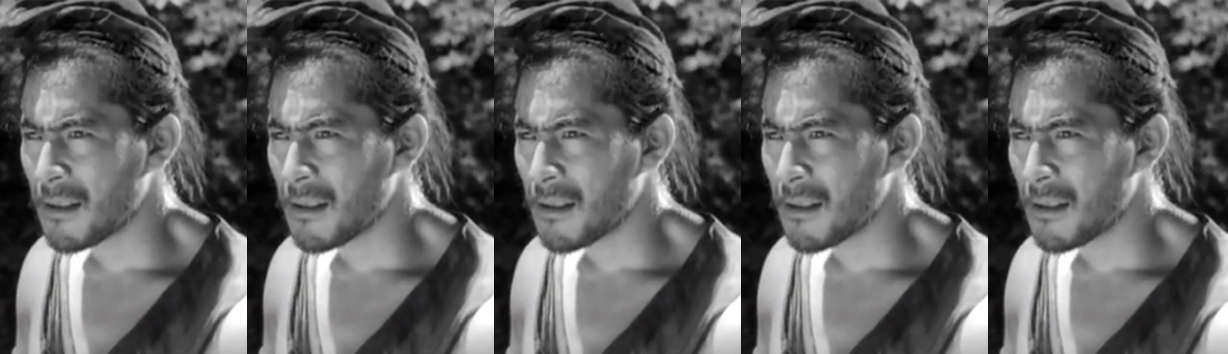
1. Toshiro Mifune in Yojimbo - Well I did not even need to have a second to think of my favorite performance by a leading actor from 1961. This is one of the very best performances from Toshiro Mifune creating one of the most memorable heroes in cinema.

Best Scene: The Final Duel.
Overall Rank:
  1. Tatsuya Nakadai - The Human Condition III: A Soldier's Prayer
  2. Toshiro Mifune in Yojimbo
  3. Stuart Whitman in The Mark
  4. Paul Newman in The Hustler
  5. Marcello Mastroianni in Divorce, Italian Style 
  6. James Cagney in One, Two, Three
  7. Dirk Bogarde in Victim
  8. Clark Gable in The Misfits
  9. Peter Cushing in Cash on Demand
  10. Alberto Sordi in A Difficult Life
  11. Vincent Price in The Pit and Pendulum
  12. Jean-Paul Belmondo in Leon Morin, Priest
  13. Anthony Quinn in Barabbas
  14. Marcello Mastroianni in La Notte
  15. Andre Morell in Cash on Demand
  16. Keiju Kobayashi Happiness of Us Alone
  17. Kirk Douglas in Town Without Pity
  18. Sidney Poitier in A Raisin in the Sun
  19. Spencer Tracy in Judgment At Nuremberg
  20. Alberto Sordi in The Best of Enemies
  21. David Niven in The Best of Enemies
  22. Masayuki Mori in The Other Woman
  23. Rock Hudson in Lover Come Back
  24. Tatsuya Nakadai in Immortal Love
  25. Peter Finch in No Love For Johnnie
  26. Franco Citti in Accattone
  27. Gregory Peck in The Guns of Navarone
  28. Anthony Perkins in Goodbye Again
  29. Toshiro Mifune in The Important Man
  30. Ebbe Rode in Harry and the Butler
  31. Marc Michel in Lola
  32. Loredana Detto in Il Posto
  33. Osvald Helmuth in Harry and the Butler
  34. Edward Judd in The Day the Earth Caught Fire
  35. Giorgio Albertazzi in Last Year in Marienbad
  36. Warren Beatty in Splendor in the Grass
  37. Yves Montand in Goodbye Again
  38. Marlon Brando in One Eyed Jacks
  39. Rod Taylor in 101 Dalmatians
  40. Burt Lancaster in The Young Savages
  41. Richard Widmark in Two Rode Together
  42. Alec Guinness in A Majority of One
  43. Cliff Robertson in Underworld USA
  44. Fred MacMurray in The Absent Minded Professor
  45. Charlton Heston in El Cid
  46. James Stewart in Two Rode Together
  47. Jerry Lewis in The Ladies Man
  48. Jeffrey Hunter in King of Kings
  49. George Peppard in Breakfast At Tiffany's
  50. Richard Beymer in West Side Story
  51. John Kerr in The Pit and Pendulum
  52. Hiroyuki Nagato in Pigs & Battleships
  53. Glenn Ford in Pocketful of Miracles
  54. Horst Buchholz in Fanny
  55. Warren Beatty in The Roman Spring of Mrs. Stone
Next Year: 1961 Supporting

Thursday, 22 May 2014

Alternate Best Actor 1961: James Cagney in One, Two, Three

James Cagney did not receive an Oscar nomination for portraying C.R. MacNamara in One, Two, Three.

One, Two, Three is an entertaining screwball comedy about a Coca-Cola executive in East Berlin whose life is turned upside down when he must entertain his bosses daughter who goes off and gets married to a communist from West Berlin.

James Cagney gives his final lead performance in this film as he retired from acting due to his bad experiences while making this film and he did not come back to film until 20 years later for his supporting role in Ragtime. Although Cagney evidently did not have not have a very good time making the film, apparently especially due to the behavior of chronic over actor Horst Buchholz, that really can't be noticed in Cagney's performance. The part of C.R. MacNamara is one of the prototypical screwball comedy lead which tends to be a business man of some sort who has to orchestra some crazy scheme while craziness occurs all around him because of this plan. That is certainly the case with MacNamara who has to deal with his bosses flighty daughter, her sudden communist husband, the Russians, his oddball German staff, and his own family.

This may be an aging Cagney technically speaking but he has much energy that he had back when he was doing Yankee Doodle Dandy. Cagney really is one of the perfect actors for a screwball comedy as he just is always on in his scenes. The film never stops in its comic absurdity and neither does Cagney. There is plenty of dialogue for Cagney to get through the film and Cagney is a master of it. He does lose a single beat as he develops the right rhythm for the dialogue. It is not stop and Cagney is more than up to the task to keep it going with that constant fluidity needed for this kind of film. A good screwball comedy really needs to never stop its motions and Cagney makes more than sure of that. Cagney knows exactly how to deliver every line with expert timing and precision really getting the most possible out of the comedic potential in the script.

Cagney is always a physical performer as he rarely ever seems restrained in his movements. There is of course all his dancing in Yankee Doodle Dandy, but even when he's a gangster there is certain something extra he brings to the way he beats someone or even the way he shoots his gun. Technically here Cagney is just playing a relatively normal guy who technically does not have to do too many physical actions throughout the course of the film. That does not matter though because Cagney still has this way of accentuating every gesture even the way he walks has something very special to it. This absolutely works brilliantly for the part and the film itself as it makes it as though MacNamara is moving just as quickly as everything that is going around him. Cagney in doing so makes sure that he is never overshadowed by anyone or anything in the film leading it all the way through.

This technically speaking is probably not the deepest character he ever played as MacNamara's objectives are clear from the beginning, and even his problems with his wife over his affairs with his secretaries is basically just played for laughs. That is not a problem though as Cagney's whole performance is played for laughs and Cagney certainly derives plenty of those out of the material. He acts like a torpedo and delivers the screwball comedy right through its course and doing his best to avoid any faults. Cagney almost makes Buchholz tolerable because just how much he runs circles around him in every scene they share together so he at least makes the scenes still enjoyable. Cagney here pretty much utilizes almost everything that makes him stand out so well as a performer and that works incredibly well into making this one very entertaining performance to watch.

Wednesday, 21 May 2014

Alternate Best Actor 1961: Toshiro Mifune in Yojimbo

Toshiro Mifune did not receive an Oscar nomination for portraying the samurai in Yojimbo.

Yojimbo is a fantastic film from Akira Kurosawa about a town divided by two criminal gangs.

Toshiro Mifune plays an outsider to this story as he plays a Ronin who happens to stumble upon this town who is made up of various criminals who work for either one gangster family or the other who try to control the town. This actually might be Mifune's quietest performance oddly enough since his performances in High and Low and The Quiet Duel had those moments of well earned reasonable emotional outbursts. Here Mifune shows considerable restraint in his creation of the samurai which is a remarkable one beginning right from the way he walks. It would be easy enough I suppose to simply walk normally, but Mifune playing the character as a wolf of sorts walks in this particular way. It comes off as completely natural to be sure but that little itch he gives the samurai makes him stand out in the way the samurai should stand out as it becomes clear he is far different from any other man in the town.

Mifune obviously was no stranger to the role of the heroic swordsman as shown through his performance in the Seven Samurai. In the Seven Samurai though he was a crazed man who was only a wannabe samurai in reality, who became very emotionally invested in the plight of the farmers he was helping. The nameless samurai here is a bit more distant but that is not to say Mifune plays him as a cold man. No, Mifune instead gives this character just a coolness factor to him. Everything that Mifune physically does in the role just has this effortlessness in creating just how well frankly awesome the character is. Before we even see just how great of a sword fighter he is Mifune obviously shows exactly how great of a sword fighter he is through the way he approaches the role. There is a pervasive confidence Mifune exudes with such ease, and never does even slightly approach into pompousness.

When the samurai first comes into town he finds out about the whole dynamic of the town and the gangs from a good restaurant owner who hates the ways of the criminals. The samurai therefore decides on a plan to make basically both sides of the town kill each other to rid the town of all of its negative influences. Mifune honestly could not be more bad ass than he is here as the samurai so calmly makes his decision through speaking the line akin to "I'll get paid for killing, and this town is full of people who deserve to die". Mifune delivers that we such a calm reserve, but in this reserve you can see that the samurai clearly means what he speaks. Through most of the film Mifune stays fairly reserved like that but it only adds to the fierce quality in the man. Mifune is able to be extremely imposing without even seeming to have to try, that's just how good Toshiro Mifune is here.

Mifune goes much further than simply being a tough guy with the samurai as he creates a certain mischievousness in his performance. Mifune plays it as that the samurai is not simply causing the deaths of the criminals because they are bad, but also that the samurai just really enjoys doing this. There is such a constant sense of fun in his performance, and a certain slyness that properly shows that the samurai is several steps ahead of everyone else in the town. That chin rub when looking over something is just perfect as Mifune basically let's the audience in on the fun of creating this havoc for the villains of the piece. This is a rather surprisingly humorous performance from Mifune as there is a certain comedic quality he brings in most of the scenes where he is tricking one of the sides. I particularly love his rather funny reaction of disgust when one side tries to get his support by offering him some female companionship.

Mifune even sometimes goes even more broadly comic with his performance yet he always keeps it within the confines of the samurai, who after all is a bit of a joker right down to the fake name he gives Kuwabatake Sanjuro which means "thirty-year-old mulberry field ". Mifune knows exactly when to go a little broader which occurs when the samurai watches the chaos between the two gangs, a chaos that he purposefully caused himself. Mifune is very entertaining as he basically shows the samurai, for a lack of a better word, trolling the criminals as he laughs in great glee at their various misfortunes that he has orchestrated. Again Mifune does this so well because he never makes the samurai seem distant toward the audience himself. Instead Mifune brings this relaxed and very welcoming quality that always allows the audience pretty much troll right along with him. 

Mifune's performance is not all fun and games though in that there is a very real threat from the criminals particularly a gun touting one (Tatsuya Nakadai), and the whole game becomes even more problematic when the samurai finds that there is a family of innocents caught in the crossfire. The samurai does go out of his way to help them but very coyly acts as though he does not care. Mifune plays these scenes particularly well by subtly suggesting that there is a heart in that cynical calm. These moments are very brief but Mifune brings just the right heart to them well still keeping that front as thought the samurai doesn't care. The samurai due to these actions must also lose that confidence he exudes in every scene when he is finally caught by one of the families in one of his double crosses and is receives a severe beating as he is interrogated for the location of the family that he helped. 

The scenes of the beaten samurai are expertly handled by Mifune as he very bluntly makes you feel the pain as he honestly shows the results of the beating. Although the samurai is not defeated mentally Mifune does quite brutally realize the severity of pain caused by the torture, and in doing so make it all the final duel all the greater impact. The final duel is technically quite absurd when you get right down to it as it is the sole samurai versus an entire gang and one of them even has a gun. Mifune makes it believable though through that undeniable strength he brings to the character. Mifune even more remarkable in this scene though as you see in his face a deadly conviction and that this killing is going to be his most personal. Mifune is great in the moments where the samurai attacks as he is almost like lighting in his manner as he has such a pronounced intensity in each stab yet he keeps it almost as an eloquent dance fitting for the intelligence of the samurai. 

Toshiro Mifune gives a brilliant performance here as he just so perfectly creates the character of samurai. Every awesome moment the character has is earned entirely by Mifune's equally awesome performance. Mifune carries the film incredibly well as he is perhaps at his most assured with his performance here. There is not a moment waste or ill used in this performance as he always brings something in the scene. Mifune makes the samurai one of the all time great onscreen bad-asses but even that is not enough. He really is absurdly entertaining in this film and brings the humor from the character so naturally with everything else that he must do. Mifune meets every challenge of the character giving such a memorable performance and making the lone samurai one of the best heroes of cinema. It seems like the greatest actors all have that one performance where they frankly get to show off a little this one's Mifune. That approach works flawlessly for the character, and this is easily one of the greatest performances by Toshiro Mifune. 

Tuesday, 20 May 2014

Alternate Best Actor 1961: Dirk Bogarde in Victim

Dirk Bogarde did not receive an Oscar nomination, despite being nominated for a Bafta, for portraying Melville Farr in Victim.

Victim is a decent enough film about a English barrister who attempts to find someone who has been blackmailing homosexuals by threatening to out them at a time when it was illegal.

Victim is a notable film from this time as it deals with the issue of homosexuality going so far as to even saying the word and even has some homosexual characters who, although do not want to be outed due to the law against them, are obviously very comfortable with their lifestyle. Dirk Bogarde plays the lead role of the barrister Melville who follows the case after an acquaintance of his commits suicide after stealing money to pay for the blackmailing. Although Melville Farr is a lawyer this is not a simple case of him just wanting to find justice for a friend, and as the film proceeds it becomes fairly obvious that Farr and the man were not merely acquaintances. Farr tries to go about the case as some sort of outside observer but it soon becomes clear that, despite that he is married, Farr himself is a closeted homosexual as well.

It is interesting that Dirk Bogarde took on such a role since he himself was apparently a closeted homosexual in real life. There are many gay characters in the film but you won't find a single one of them playing the character with any obvious mannerisms to suggest this, Bogarde included. Instead most of the performances, Bogarde's included, are very withdrawn performances emotionally speaking. Melville Farr is a repressed man and that can be seen through Bogarde's performance. There is always a certain intensity that Bogarde carries himself with and suggests the secret of Farr in subtle and effective fashion before we even learn the truth from the story. Bogarde creates the right tension within Melville Farr that simply is a part of him due to his life where he is constantly hiding a part of himself, a part that is being prodded by these blackmailers.

The film is much more of a procedural than I really expected it to be as Farr goes from one closeted man to the next in an attempt to try and find who caused the death of his old lover. Bogarde is completely fine in the more standard moments as Farr investigates because even this Bogarde brings a certain subtext. In these scenes Bogarde suggests a visible efforts from Farr to try to act as though the case is a distant thought for him, while still suggesting that underlying tension in the man over his very direct connection with this problem. As it proceeds though Farr is not able to stay distant forever as some of the men he interviews seem to notice his interest is far more than that of the observer and his wife as well seems notice that perhaps his old tendencies never truly went away.

Bogarde shows Melville Farr as a man who is not happy to be gay as found in his violent outbursts at the other closeted men when they confront him. Bogarde does not make this simplistic though as shown in the scene where Farr's wife confronts him. Bogarde portrays incredibly well the extreme conflict in the man as when Farr reveals the truth about himself Bogarde suggests the desire in the man quite strong yet all covered with a self-hate. This could be seen as the film trying to get off easy, for the time, by making the man not want to be a homosexual. Bogarde thankfully does not play the part that way. He gives a greater depth by creating a fuller portrait of this sort of repression found in the man. Bogarde shows the want but also the hesitation making the confusion in the man fully realized.

This is a strong performance by Dirk Bogarde although I do wish the film had been structured differently. The whole blackmail procedural just never becomes that interesting, and is a pretty simple bad guys need to be stopped type of plot. The most fascinating aspect of the film is the exploration of the central character and Bogarde certainly does his best to bring the complexity needed for such a character. It is obvious though that there was far more to explore with the character than the film takes him simply since it pretty much gives favor to the plot over the character study. The film could have still kept the plot but it needed to work more closely with delving into Melville Farr's personal connection than it ends up doing. Nevertheless Bogarde still gives a rather remarkable performance that only seems to be held back by the limitations set upon him by the film itself.

Monday, 19 May 2014

Alternate Best Actor 1961: Clark Gable in The Misfits

Clark Gable did not receive an Oscar nomination for portraying Gay Langland in The Misfits.

The Misfits is a solid enough film about the relationship between a younger divorcee and three somewhat off men who try to maintain their independence by catching wild mustangs.

Misfits is particularly notable film as it is one of the last films of Montgomery Clift, the last completed film of Marilyn Monroe, and the final film of Clark Gable. Clark Gable portrays Gay Langland a cowboy who is still trying to keep to his old ways even as the world is so obviously changing around him, and making his independent ways far more difficult to achieve. Gable in his later performances still tried to keep his old charm, in films such as Teacher's Pet for example, while it obviously his face could not hide his age. This film is quite a bit different as Gable seems to embrace his age more here as he adjusts his performance here considerably, and although he certainly has his charm in this case he changes from his old days.

Gable still brings plenty of charm but he plays it through his character of Gay quite brilliantly. He has a rougher quality to it suggesting Gay's background as a cowboy, but as well Gable suggests the age of Gay in his performance. Gable still lights up a room with his presence to be sure but it it not quite a bright as it always was. Gable wears the right sort of somberness in his performance. It is not even anything that is even slightly overpowering in his performance but Gable brings it subtly in his performance. Gable makes it a very natural facet to Gay that is simply an essential part of the man alluding to his own history that has brought him to this point in his life. You never are told what Gay has gone through but you can see some of it simply through Gable's face.

Clark Gable carries himself very well in the film and never seems out of place with Eli Wallach, Clift or Monroe. Gable even manages to create some pretty believable chemistry with Monroe as the rather sensitive divorcee Roslyn and despite their age difference their relationship actually seems believable. Gable of course has that charm which helps in making the relationship have a foundation, but he goes even further creating some honest warmth even in the somewhat rough exterior of Gay. Gable manages the right balance between realizes both the tough individualistic qualities in Gay, but as well the softer more likable qualities that would make Roslyn fall for him. The central relationship is realized very well by Gable and Monroe and it never seems odd or wrong for Gay and Roslyn to be together.

When the men decide to round up Mustangs for a quick profit conflict arises since Roslyn learns that the captured Mustangs will be sold off to butchers. Gable is quite strong though in portraying the conflict within Gay himself as he is constantly trying to reason the use of the Mustangs to Roslyn. What Gable does so well is show the strong enthusiasm in the catch, portraying the sense of Gay living the life he wants to live for the moment. Gable brings this moments down in just the right way though by making Gay's reactions to Roslyn's reactions very natural, and most of all true to the character. Although I feel Roslyn's objections are written in too much of a heavy handed and one note fashion, Gable does make up for it by realizing a complexity in the conflict through his performance as Gay.

Gable is excellent in the final scenes of the film after the Mustangs have been released due to Roslyn's objections but Gaye still ties them up to only release them again. This might seem odd, but Gable makes it absolutely convincing with Gable conveying the undying belief that Gay has in himself to still make his own decisions. Gable is quite moving by showing a desperation in Gay that it is not even his pride that make Gay perform this seemingly odd action, it is a need to keep onto his own life that he loves so dearly. Gable personifies the old west individualism beautifully here, and I could have easily seen him in Melvyn Douglas's role in Hud. Unfortunately Gable died before this film even found release but it is a performance worthy to mark the end of the legendary career of Clark Gable.

Thursday, 15 May 2014

Alternate Best Actor 1961: Sidney Poitier in A Raisin in The Sun

Sidney Poitier did not receive an Oscar nomination, despite being nominated for a Golden Globe and a Bafta, for portraying Walter Lee Younger in A Raisin in The Sun.

A Raisin in The Sun is about the trials of a poor black family when it seems their lives may be improved by an insurance payment. As a play adaptation it is pretty much by the numbers for the time, particularly in the use of its score, but the material itself is strong enough to make the film worth watching.

Sidney Poitier is playing rather far from his usual type here as Walter Lee Younger is neither a hero or really even that good of a man. In fact it would be easy enough to call him a bit of a jerk. Poitier in turn gives a performance that is rather different from most of his performances from the time. Firstly he practically rids himself of that substantial charm that made him such a star to begin with. Poitier smartly does this though as Walter Lee really simply is not a man worthy of Poitier's charisma, and it would be wrong for Poitier to approach the part in his usual way. Instead from his first scene we see a very different Sidney Poitier since the first scene depicts Walter Lee complaining about his current plight but in a way where his hatred is very much directed at his exasperated wife Ruth (Ruby Dee).

It is very interesting see Poitier in a genuinely unlikable role like this and Poitier does not appear out his element as he creates Walter Lee as a man who pretty much has some sort of problem with everything in his life. The initial scene of Walter harassing Ruth is well done by Poitier because he really establishes it as a very casual manner to it. Poitier does not make Walter Lee's behavior out to be that of a monster, but rather in his performance Poitier very much makes it a reflection of Walter Lee's own defense mechanism. Walter Lee hates so many things about his life but rather living with it in himself he takes it out on his family instead. Poitier shows this through his performance as he makes Walter Lee's behavior have a wavering intensity fitting for just his standard attitude to attempt to deal with his life. 

Poitier is rather good at capturing the behavior of Walter Lee which runs a certain gambit yet is always controlled by that general frustration toward his life. There will be moments where Poitier brings some warmth and joy when times seem somewhat happy. Poitier handles this well though by keeping always an underlying unpleasantness reinforcing the idea that Walter Lee is driven by his frustrations. Poitier builds his around this idea quite well and makes every action of Walter Lee's seem believable. In the moments where Walter is basically just wallowing in self pity Poitier shows Walter Lee in these moments as having been overwhelmed by his frustrations to the point that he can't get over them merely by complaining or harassing someone else.

I have to say that I do have a problem with this performance it is that Poitier does fall a bit on the theatrical side of things a little too often. Walter Lee should be a loud a boisterous jerk anyway, but at times the loudness feels much more like Poitier's acting than what should be coming from the character. This is fairly surprising I suppose as Poitier usually has considerable restraint in his performances, but then again his characters more often are pretty restrained men which is not the case here. Poitier definitely does not bad because of this but it definitely is noticeable here. That is a shame though because Poitier does indeed have such an effortless quality in his other performances that result in definitely more refined performances than this performance which does not come off as nearly as assured.

Honestly the weakness of Poitier's work seem very much the nature of the film's direction which just tries a little harder than it needs to a certain times. Poitier for the most part though does gives an effective performance that makes his character's actions understandable even if some scenes he could have toned his performance down a little for a stronger impact. This is an intriguing performance to be sure as Poitier does play against type and in terms of playing against type Poitier definitely succeeds. The shortcomings of his work come from somewhere else entirely, and perhaps it simply was because he was reprising his stage role so he did not really attune himself for film in this case. Either way this still stands as a good, if imperfect performance, that suggests Poitier was capable of playing flawed characters.

Wednesday, 14 May 2014

Alternate Best Actor 1961

And the Nominees Were Not:

Clark Gable in The Misfits

Dirk Bogarde in Victim

Sidney Poitier in A Raisin in The Sun

Toshiro Mifune in Yojimbo

James Cagney in One, Two, Three